





































Find the Puppy That Feels Right for Your Family
Choosing a puppy is not simply about finding a cute face. It is about finding a companion whose personality, size, energy level, and daily needs fit naturally into your home and lifestyle. At Puppies Nest, we make that journey easier by bringing together a wide selection of breeds for families looking for Puppies Dubai and trusted Puppies for sale Dubai options.
Every breed has something different to offer. Some puppies are playful and energetic, while others are calm, affectionate, and happy to spend most of the day close to their family. Some breeds are naturally social and outgoing, while others may be more independent or protective. Understanding these differences before choosing a puppy can help you build a stronger relationship from the very beginning.
Our breed selection is designed to give families more than a list of dogs. It gives you a starting point for discovering which type of companion may fit your home, your routine, and your expectations.
Whether you are looking for a small companion for apartment living, a playful family dog, an intelligent breed that enjoys training, or a larger dog with a confident personality, Puppies Nest helps you explore your options before making an important decision.
Explore Our Available Puppy Breeds
Our collection includes a broad range of popular and distinctive breeds, giving families the opportunity to compare different personalities, sizes, appearances, and lifestyles.
You may find small companion breeds that are easy to accommodate in modern apartments, medium-sized dogs that balance playfulness with adaptability, and larger breeds that need more space, exercise, and structured daily routines.
Some families already know exactly which breed they want. Others arrive with only a general idea such as "I want a small dog" or "I want a puppy that is good with children."
Both approaches are completely fine.
The right starting point is understanding what you need from your future companion.
Puppies for Sale Dubai for Different Lifestyles
There is no single breed that is perfect for everyone.
A young couple living in an apartment may have very different needs from a family with several children and a large garden. Someone who enjoys outdoor activities may want a more energetic companion, while someone with a quieter lifestyle may prefer a dog that is comfortable with relaxed routines.
That is why choosing from Puppies for sale Dubai should begin with your lifestyle rather than appearance alone.
Ask yourself a few simple questions:
How much space do you have?
Your home does not automatically determine which breeds you can consider, but space can influence your daily routine. Smaller breeds may be easier to accommodate in apartments, while larger breeds often benefit from more room and regular outdoor activity.
How active is your family?
Some dogs enjoy long walks, play sessions, training, and outdoor adventures. Others are happier with shorter activities followed by plenty of rest and family time.
Do you have children?
Families with children should consider temperament, size, energy, training, and the age of the children. A puppy should also be supervised around young children, regardless of breed.
Is this your first puppy?
First-time puppy parents may prefer breeds known for being adaptable and responsive to training. Experienced dog owners may be comfortable with breeds that require more structured handling, exercise, or training.
How much time can you dedicate to grooming?
A beautiful coat often requires regular maintenance. Some dogs need frequent brushing and professional grooming, while others have simpler grooming routines.
Thinking about these questions before choosing your puppy can make the entire experience more enjoyable.
Small Puppies for Families Looking for a Compact Companion
Small dogs have become popular among families who want a companion that can comfortably fit into their everyday routine.
Their smaller size can make certain aspects of home life easier, particularly for families living in apartments or smaller homes. However, small does not mean low-maintenance.
Many small breeds are intelligent, active, social, and full of personality.
Chihuahua
The Chihuahua is one of the smallest dog breeds, but its personality can be much bigger than its size. Chihuahuas are often alert, confident, affectionate, and strongly attached to their families.
They can make wonderful companions for people who enjoy having a small dog close to them throughout the day.
Because of their small size, they should be handled carefully and supervised around young children.
Maltese
Maltese dogs are known for their elegant white coats and affectionate personalities. They are often chosen by families looking for a small companion that enjoys spending time with people.
Their coat requires regular grooming, but their compact size makes them attractive to many apartment households.
Pomeranian
Pomeranians combine a tiny body with a lively personality. They are often playful, curious, expressive, and confident.
Their fluffy coat is one of their most recognizable features and requires consistent grooming.
For families considering a Pomeranian, it is important to understand that this small breed still needs daily interaction, training, and mental stimulation.
Pekingese
The Pekingese is a distinctive small breed with a long history as a companion dog. It is known for its confident personality and characteristic appearance.
Pekingese can be affectionate with their families and may prefer a calmer home environment.
Yorkshire Terrier
The Yorkshire Terrier is a small breed with a lively and confident character. Despite its size, the Yorkie can be energetic, curious, and highly engaged with its surroundings.
Its coat requires regular attention, making grooming an important part of responsible Yorkie ownership.
Shih Tzu
Shih Tzu dogs are popular companion dogs known for their affectionate nature and beautiful coats.
They often enjoy being close to their families and can adapt well to indoor lifestyles when their exercise, grooming, training, and social needs are properly managed.
Medium-Sized Puppies for Balanced Family Life
Medium-sized breeds can offer a balance between manageable size and a more substantial physical presence.
They can be suitable for a wide range of households, but each breed still has its own exercise, training, grooming, and temperament requirements.
Beagle
Beagles are energetic, curious, and highly interested in their surroundings.
Their strong sense of smell can make them enthusiastic explorers, which means owners should pay attention to safe walking and secure outdoor spaces.
A Beagle can be a fun companion for an active family that is ready to provide regular exercise and mental stimulation.
Cocker Spaniel
Cocker Spaniels are known for their expressive faces, beautiful coats, and affectionate personalities.
They often enjoy family interaction and can be playful companions when given enough exercise, training, grooming, and attention.
Corgi
Corgis have a distinctive appearance and a lively personality. They are intelligent, alert, and often very engaged with their families.
Their short legs should not be mistaken for a lack of energy. Corgis can be active dogs that enjoy walks, games, and training.
French Bulldog
French Bulldogs are compact, affectionate companions with a recognizable appearance and playful personalities.
They are popular among people looking for a smaller dog with a strong companion-dog character.
Because of their body structure, owners should pay particular attention to heat management and exercise, especially in hot climates.
English Bulldog
English Bulldogs have a distinctive appearance and a generally relaxed companion-dog style.
They can form strong bonds with their families and often enjoy calm indoor time.
As with other flat-faced breeds, responsible care should include attention to heat, breathing, weight, and overall health.
Cavalier King Charles Spaniel
Cavalier King Charles Spaniels are known for their gentle appearance and affectionate companion-dog personality.
They can be a natural choice for families looking for a social dog that enjoys being part of everyday family life.
Larger Puppies for Active and Experienced Families
Large breeds can be impressive, loyal, intelligent, and deeply connected to their families. However, choosing a large puppy comes with additional responsibilities.
Space is one consideration, but it is not the only one.
Large dogs often require proper nutrition during growth, consistent training, controlled exercise while young, and owners who understand how quickly a puppy can become a powerful adult dog.
German Shepherd
German Shepherds are intelligent, athletic, and highly trainable dogs.
They can become deeply loyal family companions when they receive appropriate training, socialization, exercise, and mental stimulation.
Their intelligence means they benefit from owners who enjoy working with their dogs rather than simply providing food and shelter.
Belgian Malinois
Belgian Malinois are highly energetic and intelligent dogs with strong working instincts.
They are not simply large versions of typical family pets. They require substantial physical activity, mental stimulation, structure, and training.
Families considering a Belgian Malinois should carefully evaluate whether their lifestyle can meet the breed's needs.
Cane Corso
The Cane Corso is a powerful and impressive breed known for its strong presence and protective nature.
Responsible ownership requires early socialization, consistent training, proper handling, and an understanding of the breed's adult size and strength.
This is a breed that should be selected because it fits the owner's experience and lifestyle, not simply because of its appearance.
Rottweiler
Rottweilers are strong, intelligent dogs that can form close bonds with their families.
Early socialization and consistent training are particularly important for a large, powerful breed.
A well-managed Rottweiler can become a confident and devoted companion when its physical and mental needs are properly addressed.
Doberman
Dobermans are athletic, intelligent, alert, and highly connected to their families.
They often thrive when their owners provide structured training, daily activity, socialization, and meaningful interaction.
They are a strong choice for experienced families who want an active and responsive companion.
Saint Bernard
Saint Bernards are giant dogs with a gentle and recognizable appearance.
Their adult size means that families need to consider space, food requirements, grooming, exercise, transportation, and long-term care before choosing one.
Their size is part of their charm, but it is also a major responsibility.
Great Dane
Great Danes are among the largest dog breeds, yet many are known for their affectionate and gentle personalities.
A Great Dane puppy may look manageable when young, but owners should prepare for rapid growth and the practical responsibilities associated with a giant adult dog.
Elegant and Intelligent Companion Breeds
Some families are attracted to dogs because of their intelligence, trainability, elegance, or unique appearance.
Poodle
Poodles are highly intelligent and versatile dogs. They are often known for their trainability, elegant appearance, and curly coats.
Their intelligence makes mental stimulation important, while their coat requires regular grooming.
Poodles can be a good option for families who want an interactive companion and are prepared to invest time in training and coat care.
Toy Poodle
Toy Poodles offer the intelligence and distinctive appearance of the Poodle in a much smaller body.
Their small size can make them attractive to apartment households, but they still need attention, training, play, grooming, and social interaction.
Maltipoo
Maltipoos are popular among families looking for a small companion with a soft appearance and affectionate personality.
Because they are a crossbreed, individual Maltipoos can differ in coat, size, temperament, and energy level.
Choosing a Maltipoo should therefore involve looking at the individual puppy rather than relying only on a general breed description.
Cavapoo
Cavapoos are known for their appealing appearance and companion-oriented personalities.
They can be playful, affectionate, and highly people-focused.
Their coat and grooming needs can vary, so future owners should understand that coat maintenance is part of responsible Cavapoo care.
Cockapoo
Cockapoos combine characteristics associated with Cocker Spaniels and Poodles.
They are often chosen for their friendly appearance and engaging personalities.
Because individual Cockapoos can vary considerably, families should focus on the puppy's temperament, health information, parents, and expected adult characteristics.
Unique Breeds for Families Looking for Something Different
Not every family wants the most common breed.
Some people are attracted to unusual appearances, distinctive personalities, or breeds that stand out from the crowd.
Akita
Akitas are powerful, dignified dogs with an independent character.
They are not necessarily the easiest choice for every first-time dog owner. Early socialization, thoughtful training, and an understanding of the breed's temperament are important.
Chow Chow
Chow Chows are immediately recognizable because of their distinctive appearance and dense coat.
They can be independent and reserved, making early socialization and respectful handling important.
Their thick coat also requires regular grooming.
Shiba Inu
Shiba Inus are compact, alert, and independent dogs with a distinctive appearance.
They can be intelligent and energetic but may also have a strong independent streak.
They tend to suit owners who appreciate a dog with personality and are willing to invest time in training and communication.
Japanese Spitz
Japanese Spitz dogs are known for their bright white coats and cheerful appearance.
They can be lively and affectionate companions and may suit families looking for a small-to-medium dog with an energetic personality.
Italian Greyhound
Italian Greyhounds are elegant, lightweight dogs with a graceful appearance.
Their slim build means they require thoughtful handling and protection from situations where they could be injured.
They can be affectionate companions that enjoy both short periods of activity and comfortable time with their owners.
Jack Russell Terrier
Jack Russell Terriers are small but highly energetic.
Their intelligence, curiosity, and drive can make them entertaining companions for active owners.
They benefit from exercise, training, games, and mental stimulation.
Family-Friendly Puppies: What Does "Family-Friendly" Really Mean?
The phrase "family-friendly" can be misleading if it is treated as a guarantee.
No breed automatically behaves perfectly with every family.
A puppy's future behavior is influenced by genetics, early experiences, socialization, training, environment, health, and the way people interact with the dog.
When choosing a puppy for a family, consider:
The children's ages.
The family's daily routine.
The puppy's energy level.
The expected adult size.
The breed's exercise requirements.
Grooming needs.
Training requirements.
How much supervision will be available.
Whether the household already has other pets.
The goal is not to find a breed that is "perfect for families" in every situation. The goal is to find a puppy whose needs and personality can realistically fit your family.
Puppies for Apartment Living in Dubai
Living in Dubai can mean living in an apartment, townhouse, villa, or large family home. Your exact living environment should influence the type of puppy you choose.
Small breeds can sometimes be easier to accommodate in apartments, but size alone does not determine whether a dog is suitable for apartment life.
A small Jack Russell Terrier may require far more activity than someone expects from its size, while a larger dog may be calm indoors when properly exercised.
Apartment living requires attention to:
Daily exercise
Your puppy still needs appropriate movement and play even when you live in a small home.
Toilet training
A consistent routine is particularly important when living in an apartment.
Noise
Some dogs are more vocal than others. Training and appropriate mental stimulation can help manage unnecessary barking.
Alone time
Puppies should not be expected to spend long periods alone without preparation. Separation-related behaviors can develop when a puppy's social needs are ignored.
Temperature
Dubai's climate makes indoor temperature management extremely important. Puppies should have access to a comfortable, cool environment and should not be exposed to excessive heat.
Choosing Puppies in Dubai for the UAE Climate
When families search for Puppies Dubai, climate should be part of the conversation.
The UAE is known for hot weather, particularly during summer, and dogs cannot be treated as though they experience the environment in the same way humans do.
A puppy needs a cool indoor environment, fresh water, sensible exercise scheduling, and protection from excessive heat.
Outdoor activities should generally be planned around safer temperatures rather than simply following a fixed routine.
This is especially important for:
Puppies with thick coats.
Flat-faced breeds.
Very young puppies.
Giant breeds.
Dogs with existing health concerns.
Puppies that are not yet accustomed to outdoor conditions.
Choosing a puppy is therefore not only about breed appearance. It is about understanding how that breed and individual puppy will live in your environment.
What to Consider Before Buying a Puppy
Before choosing from available puppies, take time to evaluate the complete picture.
Personality
Two puppies from the same breed can have noticeably different personalities.
One may be confident and playful, while another may be calmer and more observant.
Energy
Ask yourself whether you want a dog that enjoys active play or one that is more comfortable with a quieter lifestyle.
Size
Always consider expected adult size, not just the puppy's current size.
A puppy that fits comfortably in your arms today may grow into a large adult dog.
Grooming
Long, curly, or thick coats often require more maintenance.
Training
Every puppy requires training. Some breeds may be more naturally responsive to training, but no puppy arrives fully trained.
Long-Term Commitment
A puppy is not a short-term purchase.
It is a long-term commitment involving food, veterinary care, grooming, training, exercise, attention, and emotional responsibility.
Why Choosing the Right Breed Matters
The right breed can make everyday life easier for both the puppy and the family.
Imagine choosing a highly energetic dog because you love its appearance, but your lifestyle does not allow enough exercise.
Or choosing a breed with extensive grooming needs without having time for regular coat care.
Or choosing a large protective breed without understanding the training required as it grows.
These situations can create unnecessary stress.
A better approach is to choose with your lifestyle in mind from the beginning.
At Puppies Nest, exploring different breeds is intended to help families make a thoughtful decision rather than an impulsive one.
From Puppy Search to Family Match
Searching for Puppies for sale Dubai often begins online.
You may browse photographs, compare breeds, look at prices, and read descriptions.
But the most important step happens after the initial search.
You need to ask questions.
What is the puppy's personality?
What information is available about its health?
What vaccinations have been given?
What does the puppy currently eat?
What size is the puppy expected to become?
What kind of home may suit this puppy?
What support is available after the puppy goes home?
These questions move the process from simply finding a puppy to finding the right companion.
Understanding Puppy Health Before Bringing Your Puppy Home
Health should always be part of your decision-making process.
A responsible puppy purchase should involve understanding the puppy's available health information and veterinary care.
Depending on the puppy and its stage of development, families may want to discuss:
Veterinary examinations.
Vaccination history.
Deworming.
Microchipping.
Current diet.
Previous medical observations.
Health documentation.
Future veterinary needs.
Puppies Nest currently highlights veterinary partners, written health guarantees on request, and ongoing WhatsApp support as part of its customer offering.
Families should still discuss the specific records and care history of the individual puppy they are considering.
Preparing Your Home for a New Puppy
Before your puppy arrives, prepare the home.
You may need:
A comfortable sleeping area
Your puppy needs a quiet and comfortable place to rest.
Food and water bowls
Choose stable bowls that are easy to clean.
Appropriate puppy food
Ask what your puppy has been eating and make dietary changes gradually when needed.
Safe toys
Puppies explore the world with their mouths, so toys should be appropriate for their size and stage of development.
Puppy-proofed rooms
Remove or secure electrical cables, small objects, toxic substances, and anything the puppy could chew or swallow.
Training supplies
A collar or harness, leash, identification information, and appropriate training tools can help you establish routines.
The First Days With Your Puppy
The first few days are a major adjustment.
Your puppy is entering a completely new environment with unfamiliar sounds, smells, people, and routines.
Do not expect everything to be perfect immediately.
Allow your puppy time to settle.
Create predictable routines around:
Sleeping.
Eating.
Toilet breaks.
Play.
Training.
Quiet time.
Keep the first days calm and avoid overwhelming your puppy with too many visitors or new experiences at once.
Puppy Training Starts With Consistency
Training is not about making your puppy obey every command immediately.
It is about communication.
Start with simple behaviors such as:
Responding to its name.
Coming when called.
Sitting.
Walking calmly.
Using an appropriate toilet area.
Learning what is safe to chew.
Getting comfortable with grooming.
Accepting handling.
Short, positive training sessions can be more effective than long sessions that leave the puppy tired or frustrated.
Socialization Is Part of Raising a Confident Dog
A well-socialized puppy gradually learns that new experiences do not always need to be frightening.
Socialization can involve safe exposure to:
Different sounds.
Different people.
Household routines.
Grooming.
Car travel.
New environments.
Appropriate and safe interactions with other dogs.
The goal is not to expose a puppy to everything at once.
Good socialization is gradual, positive, and appropriate for the puppy's age and health status.
Grooming Needs Differ From Breed to Breed
One of the easiest things to underestimate when choosing a puppy is grooming.
A fluffy Pomeranian, curly Poodle, long-haired Shih Tzu, and short-coated French Bulldog all have very different grooming routines.
Before choosing a breed, consider:
How often will the coat need brushing?
Will professional grooming be necessary?
Does the breed shed?
How often will nails need trimming?
Will ears require regular cleaning?
Understanding these responsibilities helps prevent surprises later.
Finding Puppies Dubai Families Can Feel Confident About
For families searching for Puppies Dubai, confidence should come from information rather than attractive photographs alone.
A puppy's picture may be what catches your attention, but the decision should go deeper.
Look at the breed.
Learn about the temperament.
Ask about care.
Understand the puppy's needs.
Review the available health information.
Think about your lifestyle.
Then decide whether that particular puppy is right for you.
This approach creates a much stronger foundation for the relationship that follows.
Puppies Nest: A Different Way to Explore Puppies
At Puppies Nest, the goal is to make puppy selection feel more thoughtful and personal.
Instead of treating every puppy as identical, families can explore different breeds, sizes, personalities, and lifestyles.
Our available collection is designed to help you start with the type of companion you are looking for and then narrow your options.
You can explore breeds such as:
Akita
American Bully
Beagle
Belgian Malinois
Bull Terrier
Cane Corso
Cavalier King Charles
Cavapoo
Chihuahua
Chow Chow
Cockapoo
Cocker Spaniel
Corgi
Dachshund
Doberman
English Bulldog
French Bulldog
German Shepherd
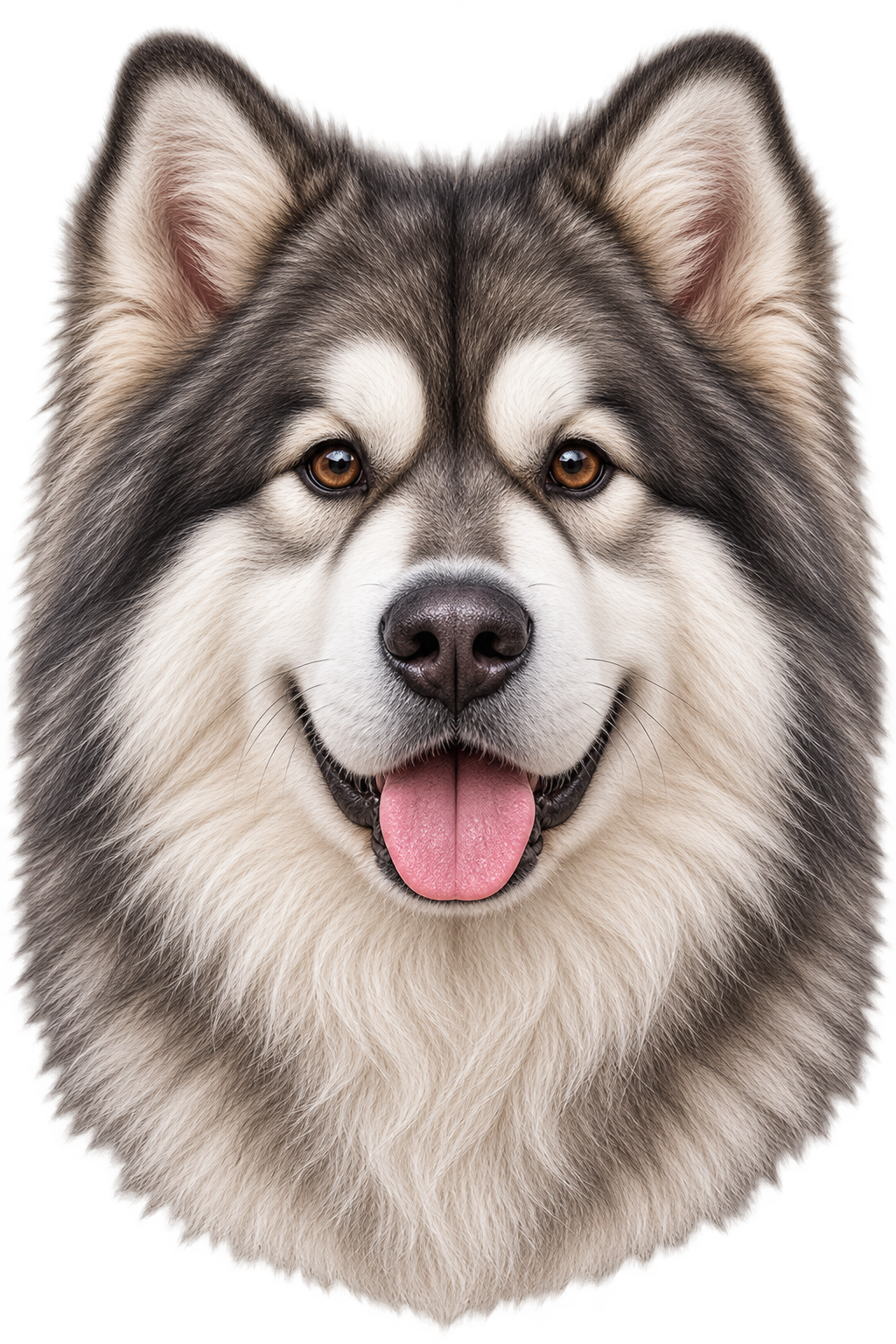
Giant Alaskan Malamute
Golden Retriever
Great Dane
Havanese
Husky
Italian Greyhound
Jack Russell Terrier
Japanese Spitz
Labrador Retriever
Maltese
Maltipoo
Pekingese
Pomeranian
Poodle
Pug
Rottweiler
Saint Bernard
Shiba Inu
Shih Tzu
Yorkshire Terrier
and other breeds as availability changes.
Because puppy availability can change, the breed list should be treated as a starting point rather than a permanent inventory.
Golden Retriever Puppies
Golden Retrievers remain one of the most recognizable family breeds.
They are often associated with friendly personalities, intelligence, playfulness, and a strong connection with their owners.
Families considering a Golden Retriever should be prepared for regular exercise, grooming, training, and a large adult dog.
A Golden Retriever puppy may look small and manageable today, but its future size and activity level should always be considered.
Labrador Retriever Puppies
Labrador Retrievers are energetic, intelligent, and people-oriented dogs.
They often enjoy games, walks, training, and family interaction.
A Labrador can be an excellent companion for an active household, but its exercise and nutritional needs should be taken seriously during growth.
Husky Puppies
Huskies are known for their striking appearance, expressive eyes, and energetic personalities.
They can be intelligent, athletic, and independent.
Families considering a Husky in the UAE should pay particular attention to climate management, exercise planning, grooming, and indoor cooling.
Their beautiful coat does not mean they should be exposed to extreme outdoor heat.
Dachshund Puppies
Dachshunds are small dogs with long bodies and distinctive personalities.
They can be playful, curious, confident, and highly attached to their owners.
Because of their body structure, owners should learn how to handle them safely and reduce activities that could place unnecessary stress on the back.
Pug Puppies
Pugs are compact companion dogs known for their expressive faces and affectionate personalities.
They can enjoy family life and indoor companionship.
However, their short facial structure means families should be particularly careful with heat, exercise, and breathing-related concerns.
This is especially relevant in a warm climate.
French Bulldog Puppies in Dubai
French Bulldogs are among the breeds frequently considered by people looking for compact companion dogs.
Their small size and affectionate personality can make them appealing to apartment households.
However, families in Dubai should understand the importance of keeping French Bulldogs cool and avoiding excessive heat and strenuous activity.
Choosing a French Bulldog should involve understanding the breed's specific health and lifestyle considerations rather than choosing based only on appearance.
Choosing Between Similar-Looking Breeds
Sometimes several breeds may appear similar at first glance.
For example, a family may compare:
Poodle and Maltipoo.
Cavapoo and Cockapoo.
Maltese and Shih Tzu.
Pomeranian and Japanese Spitz.
French Bulldog and English Bulldog.
The best choice depends on more than appearance.
Compare:
Adult size.
Energy.
Grooming.
Temperament.
Training.
Exercise.
Health considerations.
Expected lifestyle.
Your personal preferences.
This is where breed research becomes valuable.
Puppy Size Is Not the Same as Puppy Personality
A common mistake is assuming that a small puppy will automatically be calm.
That is not necessarily true.
Some small dogs are extremely energetic and vocal.
Likewise, some larger breeds can be surprisingly calm indoors when their exercise and mental needs are properly met.
Size is one factor.
Personality is another.
Lifestyle compatibility is what connects the two.
How to Choose a Puppy for a Busy Family
Busy families should be realistic about the time they can provide.
A puppy needs attention during the day.
It needs training.
It needs toilet breaks.
It needs play.
It needs rest.
It needs social interaction.
If the family is away from home for long periods, it is important to create a care plan before bringing the puppy home.
The question should not be:
"Which puppy needs the least attention?"
A better question is:
"How can we create a routine that gives our puppy the care it needs?"
How to Choose a Puppy for a First-Time Owner
First-time owners should focus on learning rather than trying to become perfect dog parents immediately.
Before bringing a puppy home, learn about:
Feeding.
Vaccination schedules.
Toilet training.
Basic obedience.
Grooming.
Socialization.
Safe exercise.
Puppy-proofing.
Common behavioral stages.
Veterinary care.
The right breed can make the learning process more manageable, but every puppy requires patience.
Why a Puppy Is a Long-Term Commitment
The excitement of bringing a puppy home is only the beginning.
Your puppy will grow.
Its food needs will change.
Its training will develop.
Its personality will become clearer.
Its exercise requirements may increase.
Its grooming needs will continue.
Its veterinary care will remain important.
The small puppy you bring home today can become a lifelong member of your family.
That is why the decision deserves more thought than simply asking which puppy looks cutest.
The Puppy You Choose Should Fit Your Everyday Life
A successful puppy match is one that works on ordinary days, not only exciting days.
Think about a normal weekday.
Who wakes up first?
Who feeds the puppy?
Who takes it outside?
Who handles training?
Who cleans up?
Who plays with it?
What happens when the family travels?
What happens during summer?
What happens when everyone is busy?
These questions may seem simple, but they can help you understand whether you are ready for a puppy and which type of dog may fit your lifestyle.
Bringing Your New Companion Home With Confidence
Once you have selected your puppy, preparation becomes the next step.
Make the home safe.
Prepare food.
Create a sleeping space.
Organize veterinary care.
Set a routine.
Plan the first few days.
Give your puppy time to adjust.
Most importantly, remember that the relationship is built gradually.
Trust develops through consistency.
Training develops through repetition.
Bonding develops through everyday moments.
Frequently Asked Questions About Puppies Dubai
What breeds are available at Puppies Nest?
Puppies Nest offers a broad selection of breeds, with availability changing over time. The current collection includes small, medium, large, and giant breeds such as Poodle, Pomeranian, Maltipoo, French Bulldog, Golden Retriever, Labrador Retriever, German Shepherd, Cane Corso, Rottweiler, Beagle, Cocker Spaniel, Shih Tzu, and many others.
Can I find small puppies in Dubai?
Yes. Puppies Nest's breed selection includes several smaller companion breeds. You can explore the available puppies and compare breeds according to size, personality, and lifestyle.
Which puppy is best for an apartment?
There is no universal answer. Small breeds can be easier to accommodate in apartments, but energy level, barking, exercise, training, and personality are equally important.
Which breed is best for children?
Breed alone cannot guarantee how a puppy will behave with children. Families should consider the individual puppy's temperament, the children's ages, supervision, training, and the breed's general characteristics.
Are puppies suitable for Dubai's climate?
Many dogs can live comfortably in Dubai when they are kept in an appropriate indoor environment and protected from excessive heat. Outdoor exercise should be planned carefully, particularly during hot weather.
How do I choose between two breeds?
Compare their adult size, energy, grooming, temperament, training needs, exercise requirements, and how well each breed fits your daily routine.
Should I choose a puppy based only on appearance?
No. Appearance is only one part of the decision. Personality, health information, breed characteristics, adult size, and lifestyle compatibility are much more important for long-term success.
Are large dogs suitable for families?
Large dogs can be wonderful family companions, but they require appropriate space, training, exercise, nutrition, and responsible handling. Families should consider the adult size rather than the puppy's current size.
What should I ask before choosing a puppy?
Ask about the puppy's age, health records, vaccinations, current food, temperament, care history, expected adult size, and any other information that can help you understand the puppy before bringing it home.
Can Puppies Nest help me choose the right breed?
The Puppies Nest breed collection is designed to help families explore different options. If you are unsure which breed fits your lifestyle, comparing breeds and discussing your household's needs can help narrow the choices.
Start Exploring Puppies for Sale Dubai
Finding your puppy should feel exciting, but it should also feel thoughtful.
With so many breeds, sizes, personalities, and appearances to choose from, the best decision is not always the puppy that catches your eye first. Sometimes the right companion is the breed you learn more about, the personality that matches your routine, or the puppy whose needs fit naturally into your family.
Explore the available breeds at Puppies Nest, learn what makes each one different, and take the time to understand what life with that breed can really look like.
Whether you are searching for a playful small companion, an affectionate family dog, an intelligent training partner, or a large and loyal companion, the journey starts by finding the right match.
If you are exploring Puppies Dubai or comparing Puppies for sale Dubai, start with the breed that fits your lifestyle, then get to know the individual puppy.
Because choosing a puppy is not simply about bringing a dog home.
It is about welcoming a new member into your family.
Choosing the Right Puppy Based on Your Lifestyle
The best puppy for your family is not necessarily the smallest, fluffiest, or most popular one. A better choice is a puppy whose needs can fit naturally into your everyday life.
When people search for Puppies Dubai, they often begin with appearance. They may already have a favorite breed in mind because they have seen it online or met one before. That can be a good starting point, but it should not be the final decision.
A puppy becomes part of your daily routine.
It will need food, attention, training, exercise, grooming, veterinary care, play, rest, and companionship. The amount of each can vary significantly from one breed to another.
Before choosing from available Puppies for sale Dubai, think about your lifestyle first.
Do you live in an apartment or villa?
Do you have children?
Do you work long hours?
Do you travel frequently?
Do you enjoy outdoor activities?
Would you prefer a quiet companion?
Are you comfortable with regular grooming?
Are you prepared to train a puppy every day?
These questions can help you narrow down your options before you become emotionally attached to a puppy that may not be the best fit for your household.
Puppies for Active Families
Some families love being outdoors.
They enjoy walking, running, playing, traveling, and spending time outside. If this sounds like your household, an energetic breed may fit your lifestyle better than a breed that prefers a quieter routine.
Active breeds can enjoy:
Long walks.
Structured play.
Training sessions.
Interactive toys.
Outdoor exploration.
Mental stimulation.
Dog-friendly activities.
Breeds such as Labrador Retrievers, Golden Retrievers, Beagles, Huskies, German Shepherds, and some Terrier breeds can be energetic and engaging companions.
However, energy should always be considered alongside the individual puppy's personality and the family's ability to provide appropriate exercise.
An active puppy without enough activity may become bored.
A bored puppy may look for its own entertainment.
That can mean chewing, digging, barking, jumping, or other behaviors that families may find challenging.
The solution is not simply to choose a "tired dog."
The solution is to choose a puppy whose activity requirements you can realistically meet.
Puppies for Calm Households
Not every family wants a dog that is constantly running around the house.
Some people prefer a calmer lifestyle.
They may enjoy quiet evenings, relaxed weekends, and spending time indoors.
For these families, temperament can be particularly important.
A calm household should still provide daily activity and mental stimulation, but the family's ideal companion may be very different from that of someone looking for a running partner.
When comparing breeds, look beyond the puppy's current behavior.
Very young puppies naturally sleep a lot, and their energy can change significantly as they grow.
Research the expected adult temperament and ask about the individual puppy's personality before making a final decision.
Puppies for Families With Children
Bringing a puppy into a home with children can be an exciting experience.
It can also teach children about responsibility, empathy, patience, and caring for another living being.
However, children and puppies need guidance.
A puppy may bite during play, jump, become excited, steal toys, or become overwhelmed by too much attention.
Young children may also unintentionally handle a puppy too roughly.
For this reason, adults should supervise interactions and teach children how to approach, touch, carry, feed, and play with the puppy safely.
When selecting a family puppy, consider:
Temperament
Look for a puppy whose temperament is compatible with your household.
Energy Level
A very energetic dog may be wonderful for an active family but difficult for a household looking for a quieter companion.
Size
Consider both the puppy's current size and expected adult size.
Training
Every puppy needs boundaries and consistent training.
Socialization
Positive early experiences can help a puppy become more comfortable around people and new environments.
There is no breed that should be considered automatically safe or perfect for every child.
The individual dog and the family's behavior both matter.
Puppies for First-Time Dog Owners
If this is your first puppy, you do not need to know everything before bringing your companion home.
You do need to be willing to learn.
First-time owners should prepare for a period of adjustment.
Your puppy will not automatically understand where to sleep, where to go to the toilet, what it can chew, how to walk on a leash, or how to behave around visitors.
These are learned skills.
A good first-time puppy experience starts with realistic expectations.
Your puppy may have accidents.
It may wake during the night.
It may chew something it should not.
It may become excited when visitors arrive.
It may need repeated training before a behavior becomes consistent.
Patience is part of puppy ownership.
Puppies for Experienced Dog Owners
Experienced owners may already understand the commitment involved in raising a puppy.
They may also be comfortable with breeds that have more demanding training, exercise, grooming, or behavioral requirements.
However, experience should not lead to assumptions.
Every puppy is an individual.
Even if you have owned the same breed before, your new puppy may have a completely different personality.
Treat each puppy as an individual rather than expecting it to behave exactly like a previous dog.
Small Breed vs Large Breed Puppies
One of the first decisions many families make is whether they want a small or large dog.
The answer is more complicated than simply choosing based on available space.
Small Breed Advantages
Small dogs can be easier to carry and may require less physical space.
They can be convenient for some apartment lifestyles.
Some families also appreciate their compact size during travel and everyday activities.
Small Breed Considerations
Small dogs are not automatically easier.
Some small breeds are very energetic.
Some can be vocal.
Some require extensive grooming.
Some need careful handling because of their delicate size.
Large Breed Advantages
Large dogs can be affectionate, athletic, intelligent, and impressive companions.
Some families enjoy having a larger dog for outdoor activities and family life.
Large Breed Considerations
Large dogs require preparation.
Food costs can be higher.
Equipment needs to be larger.
Transportation requires planning.
Training becomes particularly important because an adult large dog has considerable physical strength.
Space, exercise, and long-term veterinary care should also be considered.
The best choice is the size that fits your family's practical reality.
Puppy Energy Levels Explained
Energy level is one of the most important characteristics to consider when searching for Puppies for sale Dubai.
A puppy's energy can affect your entire routine.
Low to Moderate Energy
These dogs may be comfortable with shorter walks, indoor interaction, play sessions, and plenty of rest.
This does not mean they require no exercise.
Every healthy dog needs appropriate physical and mental activity.
Moderate Energy
These puppies may enjoy daily walks, play, and training without requiring extremely demanding routines.
They can be suitable for many family lifestyles when their needs are met.
High Energy
High-energy dogs may require more exercise, training, enrichment, and interaction.
They can be excellent companions for active owners.
But they may be frustrating for families that do not have enough time to meet their needs.
Why Mental Stimulation Matters
Exercise is not the only way to keep a puppy happy.
Dogs also need to use their brains.
Mental stimulation can include:
Puzzle toys.
Training.
Finding hidden treats.
Learning new commands.
Safe exploration.
Interactive games.
Food enrichment.
Positive social experiences.
Five minutes of thoughtful training can sometimes provide more mental engagement than simply allowing a puppy to run around the room.
How Grooming Should Influence Your Choice
Some people love grooming.
Others prefer a simpler routine.
Your preference matters.
A Poodle or Maltipoo may require regular coat maintenance.
A Pomeranian's fluffy coat also needs attention.
A Shih Tzu's long coat requires consistent grooming.
Short-coated breeds may have different maintenance requirements but still need regular brushing, nail care, ear care, bathing, and general hygiene.
Before choosing a breed, ask yourself:
"Am I comfortable maintaining this coat for years?"
If the answer is no, choose a breed whose grooming requirements better match your lifestyle.
Puppies and Shedding
Shedding is another factor families often consider.
Some breeds shed noticeably.
Others may shed less visibly but require more grooming because loose hair remains within the coat.
Low-shedding does not mean no-maintenance.
For example, curly-coated dogs may require regular brushing and professional grooming to prevent matting.
If someone in the family is sensitive to pet allergens, they should also understand that no dog can be guaranteed to be completely allergy-free.
Choosing a Puppy Based on Personality
Two puppies of the same breed can behave differently.
One may immediately approach people.
Another may take more time.
One may constantly explore.
Another may prefer watching from a distance.
Neither is automatically "better."
The important question is whether the puppy's temperament fits your household.
When meeting a puppy, observe:
How it responds to people.
Whether it appears curious.
How it reacts to new sounds.
How it interacts during play.
Whether it seeks human attention.
Whether it settles after excitement.
How it responds to handling.
These observations can help you understand the individual puppy.
Why Breed Is Only Part of the Story
Breed information is useful because it gives you a general expectation.
But breed does not determine everything.
A puppy's genetics, early environment, socialization, health, training, experiences, and individual personality all contribute to the dog it becomes.
That is why responsible puppy selection involves looking at both:
Breed characteristics + Individual personality
This combination provides a much better picture than either one alone.
How to Compare Two Puppies
Imagine you have two puppies that you like.
Both are beautiful.
Both are healthy according to the information available.
Both are within your budget.
How do you choose?
Start with lifestyle compatibility.
Ask:
Which puppy's expected size suits my home?
Which personality suits my family?
Which energy level can I manage?
Which grooming routine can I maintain?
Which breed's long-term needs can I support?
Which puppy's personality feels compatible with our household?
This approach helps turn an emotional decision into an informed one.
Why Puppy Age Matters
Age can affect a puppy's routine, training, socialization, feeding, and care requirements.
Very young puppies require significant care and should only transition to a new home at an appropriate age.
As puppies grow, they become more active and independent.
Their training needs also change.
When considering a puppy, ask for its exact date of birth and discuss its current stage of development.
Do not choose based only on the fact that a puppy "looks ready."
Responsible puppy placement should consider physical and developmental readiness.
What to Expect During Puppy Growth
Your puppy will change quickly.
The tiny dog you see today may look completely different in a few months.
Growth can affect:
Weight.
Height.
Energy.
Appetite.
Coat.
Behavior.
Training.
Exercise requirements.
This is particularly important with breeds that grow rapidly.
When choosing a puppy, think about the adult dog you are preparing to live with.
Understanding Adult Size
One of the most common puppy-owner surprises is how quickly a dog grows.
A small puppy may fit comfortably in your arms.
A large-breed puppy may soon become too heavy to carry.
Research expected adult weight and size before making a decision.
This can help you plan:
Bed size.
Crate size.
Food budget.
Vehicle space.
Exercise.
Grooming.
Home layout.
Puppies and Daily Routine
Dogs generally benefit from predictable routines.
A puppy can gradually learn when it is time to:
Wake up.
Eat.
Play.
Train.
Rest.
Go outside.
Sleep.
A consistent routine can make puppy life easier for everyone.
It also helps families divide responsibilities.
For example:
One family member handles morning feeding.
Another handles evening training.
Children can participate in supervised tasks appropriate for their age.
Everyone understands what the puppy needs.
Preparing for the First Night
The first night can be one of the most emotional moments for a new puppy parent.
Your puppy has just left a familiar environment.
Everything may smell different.
The sounds are different.
The people are different.
The routine is different.
It is normal for a puppy to need time to settle.
Prepare a quiet sleeping area before the puppy arrives.
Keep the environment calm.
Avoid turning the first night into a large celebration with many visitors.
Your puppy needs security more than excitement.
Helping a Puppy Feel Safe
A puppy builds confidence through repeated positive experiences.
Give your puppy:
A predictable routine.
A safe resting place.
Gentle handling.
Positive training.
Appropriate socialization.
Time to explore.
Time to sleep.
Puppies need a lot of sleep.
Do not assume that a puppy that suddenly becomes restless always needs more play.
Sometimes it needs a quiet place to rest.
Puppy Sleep and Rest
Young puppies sleep frequently throughout the day.
Sleep supports development and helps puppies process new experiences.
A puppy that is constantly interrupted may become overtired.
Overtired puppies can sometimes become more excitable, mouthy, or difficult to settle.
Build quiet periods into your daily routine.
A balanced puppy schedule includes activity and rest.
Feeding Your New Puppy
Nutrition should be discussed with a qualified veterinary professional based on the puppy's breed, size, age, health, and developmental needs.
When bringing a puppy home, it can be useful to understand what food the puppy has already been eating.
Sudden dietary changes can sometimes cause digestive upset.
If you plan to change food, ask your veterinarian how to transition appropriately.
Do not assume that the most expensive food is automatically the right food.
The right diet depends on the individual puppy.
Puppy Vaccinations and Veterinary Care
Veterinary care is one of the most important responsibilities of puppy ownership.
Your veterinarian can help establish an appropriate schedule for:
Vaccinations.
Parasite prevention.
Deworming.
General health checks.
Nutrition.
Growth monitoring.
Preventive care.
Keep your puppy's records organized.
Create a folder or digital file containing veterinary documents so that you can easily access them when needed.
Microchipping Your Puppy
Microchipping can provide an additional identification method for your dog.
Ask your veterinarian about the appropriate process and local requirements.
Identification is particularly important because puppies can be curious and fast.
A secure collar with identification information can also be useful, depending on your veterinarian's advice and local regulations.
Puppy Safety in Dubai
Dubai presents unique environmental considerations for dog owners.
Heat is one of the most important.
A puppy should not be expected to walk comfortably outside during extreme temperatures simply because it is part of the family's normal schedule.
Consider:
Pavement Temperature
Hot surfaces can be uncomfortable or dangerous for paws.
Midday Heat
The hottest part of the day may not be suitable for outdoor activity.
Indoor Cooling
Air conditioning and a comfortable indoor environment are important during hot weather.
Hydration
Fresh water should always be available.
Vehicle Safety
Never leave a puppy unattended in a hot vehicle.
These basic precautions are essential for families raising dogs in the UAE.
Walking Your Puppy in Hot Weather
A walk is supposed to be enjoyable.
During hot weather, it can become a health risk if poorly timed.
Plan outdoor activity around safer temperatures.
Keep walks appropriate for your puppy's age and physical development.
Avoid pushing a puppy to exercise beyond its limits.
If you are unsure whether conditions are suitable, ask your veterinarian for advice.
Traveling With Your Puppy
Families in Dubai may travel frequently.
Before traveling with a puppy, consider:
Transportation requirements.
Identification.
Veterinary documentation.
Feeding schedule.
Water.
Rest breaks.
Appropriate carrier or restraint.
Destination rules.
Heat management.
International travel can involve additional requirements, so planning well in advance is important.
Choosing Puppies for Families Who Travel
If your family travels regularly, think about how your puppy will fit into that lifestyle.
Some dogs may adapt well to frequent changes when properly socialized.
Others may prefer predictable routines.
You also need a plan for times when your puppy cannot travel with you.
Who will care for the dog?
Where will the dog stay?
Who has access to veterinary records?
Who knows the puppy's feeding and medication schedule?
Planning these details before bringing your puppy home can prevent stressful situations later.
Puppy-Proofing Your Home
Puppies are naturally curious.
Anything within reach can become interesting.
Before bringing your puppy home, inspect the environment from the puppy's perspective.
Look for:
Electrical cables.
Small objects.
Cleaning chemicals.
Medications.
Toxic plants.
Open balconies.
Accessible trash.
Loose curtains or cords.
Small toys belonging to children.
Food that may be unsafe for dogs.
A puppy-proof home reduces the number of preventable accidents.
The Balcony Question for Dubai Apartments
Many Dubai apartments have balconies.
A balcony may look like a safe place for a puppy to enjoy fresh air, but it requires careful assessment.
Check railing gaps.
Remove climbable furniture.
Prevent access when unsupervised.
Never assume that a puppy understands height or danger.
Young dogs can be unexpectedly adventurous.
Introducing a Puppy to Other Pets
If you already have a dog or cat, introducing a new puppy should be handled gradually.
Do not assume that putting them together immediately will create an instant friendship.
Give both animals space.
Allow controlled introductions.
Observe body language.
Provide separate food and resting areas.
Avoid forcing interaction.
If you are unsure about the best introduction method, seek guidance from a qualified trainer or veterinarian.
Bringing a Puppy Into a Home With a Cat
Dogs and cats can live successfully together.
The introduction process matters.
Your cat should have safe spaces where the puppy cannot reach.
The puppy should learn not to chase.
Interactions should be supervised.
Allow the animals to become familiar with one another gradually.
A successful relationship is built over time.
Puppy Training in the First Weeks
The first weeks are an excellent opportunity to establish simple habits.
Start with:
Name recognition.
Gentle handling.
Toilet routines.
Basic boundaries.
Positive reinforcement.
Safe chewing alternatives.
Short training sessions.
The goal is not perfection.
The goal is communication.
Positive Reinforcement and Puppy Training
Positive reinforcement means rewarding behaviors you want to see repeated.
For example, when your puppy sits calmly, you can reward that behavior appropriately.
When your puppy chooses a toy instead of chewing furniture, reinforce the choice.
When your puppy comes when called, make the experience positive.
Training should help your puppy understand what you want rather than simply correcting mistakes.
Why Punishment Can Create Problems
Puppies are still learning.
If they do something wrong, they may not understand why you are angry.
Harsh punishment can create fear and may damage trust.
Instead, focus on prevention, redirection, consistency, and appropriate reinforcement.
If a behavior is difficult to manage, professional training support can be valuable.
Choosing a Puppy for a Multi-Generation Family
Some homes include children, parents, grandparents, and extended family.
In these households, the puppy may interact with people of different ages and activity levels.
Think about:
Who will walk the dog?
Who can safely handle the dog?
Who will feed it?
Who will supervise children?
Who will care for it if the main owner is away?
A puppy becomes a shared family responsibility even when one person is technically the owner.
Puppies and Elderly Family Members
Families with older adults should consider the puppy's future size and energy.
A very energetic puppy may accidentally knock someone over.
A large adult dog may become difficult to manage physically.
A small but energetic dog may also jump frequently.
Choose based on the entire household rather than one person's preference.
Puppies for Busy Professionals
Professionals may have demanding work schedules.
That does not automatically mean they cannot have a puppy.
But the schedule needs to be realistic.
A puppy cannot simply be left alone for an entire working day without a care plan.
Consider:
Dog walkers.
Pet sitters.
Family support.
Daycare where appropriate.
Scheduled training.
Regular feeding.
Bathroom breaks.
Your puppy's needs should be planned before you commit.
How to Build a Strong Bond With Your Puppy
A strong relationship does not happen in one day.
It develops through repetition.
Feed your puppy.
Train your puppy.
Play with your puppy.
Comfort your puppy.
Walk your puppy.
Teach your puppy.
Respect its need for sleep.
The more predictable and positive your interactions become, the more your puppy learns that you are a safe and trusted part of its world.
Why Trust Matters When Buying a Puppy
Searching for Puppies for sale Dubai is not simply a shopping experience.
You are making a decision that can affect your family for many years.
That is why transparency matters.
Families should be comfortable asking questions.
They should understand what is included.
They should know what health documentation is available.
They should know what support they can expect.
They should have clear information about the puppy they are considering.
A confident decision comes from having enough information to understand what you are choosing.
What Makes a Puppy Listing More Useful?
A useful puppy listing should answer more than:
"What breed is this?"
A family may also want to know:
How old is the puppy?
What is its gender?
What is its current size?
What is its expected adult size?
What is its personality like?
What care has it received?
What vaccinations are documented?
What does it eat?
Is it playful or calm?
Is it comfortable around people?
What support is available after purchase?
The more useful information families can access, the easier it becomes to make an informed decision.
Photos Are Only the Beginning
A beautiful puppy photograph can create an emotional connection instantly.
That is natural.
But photographs cannot tell you everything.
A puppy's personality is more than its appearance.
When possible, families should learn about the puppy beyond the photograph.
Ask questions.
Discuss temperament.
Review available documentation.
Understand its routine.
Learn what makes that particular puppy unique.
Why Video Can Help Families Choose
Video can provide another perspective.
A photograph captures one moment.
A video can show movement, play, interaction, and behavior.
Families may be able to notice whether a puppy is energetic, curious, relaxed, playful, or affectionate.
Video should still be considered alongside other information rather than treated as a complete health or temperament assessment.
Questions to Ask the Puppies Nest Team
If you are unsure which puppy to choose, prepare your questions before contacting the team.
You may ask:
Which breeds are currently available?
Which puppies are smaller?
Which puppies are expected to remain small as adults?
Which puppies have calmer personalities?
Which breeds need more grooming?
Which breeds need more exercise?
What health information is available?
What vaccinations have been completed?
What food is the puppy currently eating?
What should I prepare before the puppy arrives?
What support is available after bringing the puppy home?
Good questions help create a better conversation.
Finding Puppies Dubai Without Rushing the Decision
The excitement of seeing available puppies can make it tempting to choose immediately.
Take a breath.
Look beyond the first photograph.
Compare breeds.
Think about your lifestyle.
Consider the adult dog.
Discuss the decision with your family.
Prepare your home.
Then make your choice.
A few extra hours of thoughtful consideration can be more valuable than making a decision based entirely on emotion.
The Difference Between Wanting a Puppy and Being Ready for One
Wanting a puppy is emotional.
Being ready for a puppy is practical.
Wanting means:
"I love dogs."
Being ready means:
"I understand what this dog will need from me."
That includes:
Time.
Money.
Patience.
Training.
Veterinary care.
Grooming.
Exercise.
Travel planning.
Daily responsibility.
Love is essential, but responsible ownership requires more than love alone.
Understanding the True Cost of Puppy Ownership
The purchase price is only the beginning.
Families should plan for ongoing expenses such as:
Food.
Veterinary visits.
Vaccinations.
Parasite prevention.
Grooming.
Training.
Toys.
Beds.
Leashes.
Collars.
Crates or carriers.
Emergency veterinary care.
Travel.
Pet sitting or boarding.
Insurance where applicable.
The total cost varies significantly depending on breed, size, health, lifestyle, and the level of services you choose.
A responsible family should consider the long-term budget before bringing a puppy home.
Why Puppy Price Can Vary
When comparing Puppies for sale Dubai, families may notice significant differences in price.
Price can be influenced by many factors.
These can include:
Breed.
Age.
Size.
Color.
Pedigree.
Health care.
Vaccinations.
Microchipping.
Documentation.
Breeder background.
Location.
Availability.
Demand.
Included services.
A higher price does not automatically mean a better puppy, and a lower price does not automatically mean a bad puppy.
The important thing is understanding what you are paying for and what information and support come with the puppy.
Do Not Choose a Puppy Only Because It Is Cheap
A low initial price can be attractive.
But puppy ownership is long term.
A cheaper puppy may still require the same food, veterinary care, grooming, training, and daily attention.
Health-related expenses can also become significant.
Instead of asking only:
"How much does the puppy cost?"
Ask:
"What will I need to provide for this dog throughout its life?"
That question creates a much more realistic picture.
Do Not Choose a Puppy Only Because It Is Expensive
The opposite is also true.
A higher price does not automatically guarantee that a puppy is the perfect match for your family.
Focus on:
Health.
Temperament.
Breed suitability.
Documentation.
Care.
Transparency.
Support.
Lifestyle compatibility.
The goal is not to buy the most expensive puppy.
The goal is to find the right puppy.
Puppies Nest and the Idea of a Forever Home
The name Puppies Nest represents something more meaningful than a place where puppies are displayed.
A nest represents safety.
Comfort.
Protection.
Home.
That idea should remain at the center of the puppy journey.
When a puppy leaves Puppies Nest, it should be moving toward a home where its family understands the responsibility and is prepared to care for it.
The most successful puppy experience is not measured only by the moment of purchase.
It is measured by what happens afterward.
Your First Week as a Puppy Parent
The first week can feel like a mixture of excitement and uncertainty.
You may wonder:
Is my puppy eating enough?
Why is it sleeping so much?
Why is it crying?
Why is it chewing everything?
Why does it follow me everywhere?
Is this normal?
Many first-time puppy parents have similar questions.
The best approach is to create a simple routine and communicate with your veterinarian when you have health concerns.
Do not compare your puppy's development to random social media posts.
Every puppy is different.
Your First Month With a Puppy
By the end of the first month, your puppy may already have learned many household routines.
It may recognize its name.
It may understand basic boundaries.
It may become more comfortable with its environment.
It may begin to understand toilet routines.
Its personality may become more visible.
This is also a good time to continue building positive habits rather than waiting until the dog becomes older.
Building a Puppy Routine
A simple daily structure can include:
Morning toilet break.
Breakfast.
Short play.
Rest.
Training.
Quiet time.
Lunch when appropriate for the puppy's age and veterinary guidance.
Play.
Rest.
Evening interaction.
Dinner according to the feeding plan.
Final toilet routine.
Sleep.
The exact schedule should be adapted to the puppy's age, breed, health, and veterinary recommendations.
How to Make Your Puppy Feel at Home
The transition into a new home can be easier when you make the environment predictable.
Use the same sleeping area.
Keep food routines consistent.
Introduce new rooms gradually.
Avoid overwhelming the puppy.
Give it safe toys.
Use calm communication.
Reward positive behavior.
Allow plenty of rest.
Your puppy does not need to explore the entire home on the first day.
Let confidence grow gradually.
Puppy Socialization Beyond the Home
As your puppy grows and your veterinarian confirms it is appropriate, socialization can expand beyond the home.
Different environments can help a dog learn to remain calm around unfamiliar situations.
This can include gradual exposure to:
Cars.
Elevators.
Different surfaces.
Grooming environments.
Visitors.
Calm public spaces.
Other appropriate dogs.
The goal is a confident dog, not an overwhelmed dog.
Raising a Confident Puppy in the UAE
A confident dog is not a dog that never feels nervous.
It is a dog that has learned that unfamiliar experiences can be handled safely.
This confidence comes from:
Positive experiences.
Good socialization.
Consistent routines.
Appropriate boundaries.
Gentle handling.
Training.
Trust.
A puppy raised with thoughtful care can gradually become more adaptable to the lifestyle of its family.
Choosing Between a Puppy and an Adult Dog
Some families specifically want a puppy.
Others may eventually consider an older dog.
Puppies offer the experience of watching a dog develop from an early age.
But puppies also require considerable training and supervision.
Families should understand that "puppy" means more work, not less.
If you want the puppy experience, be prepared for the learning curve.
The Emotional Side of Bringing Home a Puppy
There is a reason people remember the day they brought their puppy home.
The first look.
The first cuddle.
The first toy.
The first walk.
The first time the puppy falls asleep beside you.
These moments become part of family memories.
But the emotional side should be balanced with responsibility.
The goal is not simply to experience the excitement of a new puppy.
It is to build a relationship that lasts for years.
A Puppy Is a Commitment Through Every Life Stage
The puppy stage is temporary.
Your dog will eventually become an adult.
Then an older companion.
Your responsibilities will change over time.
The playful puppy may become a calmer adult.
Its nutritional needs may change.
Its exercise routine may change.
Its veterinary needs may change.
Its personality may mature.
Responsible ownership means being ready for every stage.
How Families Can Make the Puppy Transition Easier
Before the puppy arrives, decide:
Who is responsible for feeding?
Who handles toilet training?
Who schedules veterinary visits?
Who buys food?
Who takes the puppy for walks?
Who supervises children?
Who cares for the puppy when everyone is away?
Who handles grooming?
When these responsibilities are clear, the household becomes more consistent.
The puppy benefits from consistency.
A Simple Puppy Selection Checklist
Before choosing from available Puppies for sale Dubai, review:
Breed
Does this breed fit your lifestyle?
Size
Are you prepared for the adult size?
Energy
Can you provide enough exercise and stimulation?
Grooming
Can you maintain the coat?
Temperament
Does the puppy's personality fit your household?
Health
Have you reviewed the available health information?
Budget
Can you afford long-term ownership?
Time
Can your family provide daily attention and care?
Home
Is your environment safe and suitable?
Commitment
Are you ready to care for this dog for its entire life?
If the answer to these questions is comfortable, you are in a much stronger position to move forward.
A Breed Is Not a Personality Test
Breed descriptions can help you understand tendencies.
They should not be treated as a guarantee.
A Golden Retriever can be energetic.
A Poodle can be intelligent.
A French Bulldog can be affectionate.
A Beagle can be curious.
But individual puppies can differ.
This is why the puppy's own behavior and history should also be considered.
Choosing a Puppy Based on Your Home
Think about your home realistically.
Apartment
Consider noise, exercise, elevator use, balcony safety, and indoor space.
Townhouse
Think about stairs, outdoor areas, and neighborhood walking routines.
Villa
More space can be helpful, but it does not eliminate the need for training and exercise.
Home With a Garden
A garden is useful but should never replace walks, mental stimulation, and interaction.
A garden also needs to be secure.
A puppy can find surprisingly small escape routes.
What Makes a Good Puppy Parent?
A good puppy parent is not someone who never makes mistakes.
It is someone who pays attention.
Someone who learns.
Someone who notices when the puppy is tired.
Someone who seeks veterinary advice when something seems wrong.
Someone who trains patiently.
Someone who provides boundaries.
Someone who understands that the puppy is learning too.
Good ownership is built through everyday decisions.
How Puppies Teach Families Patience
Puppies can test your patience.
They may chew.
They may have accidents.
They may wake you.
They may ignore a command they appeared to understand yesterday.
This is normal learning behavior.
The puppy does not know the rules yet.
Your role is to teach them consistently.
Over time, the small improvements become meaningful.
The First Big Milestones
Families often remember their puppy's milestones:
First successful toilet routine.
First command.
First walk.
First grooming session.
First car ride.
First night sleeping calmly.
First visit to the veterinarian.
First favorite toy.
First birthday.
These small events become part of your dog's story.
Why the Right Start Matters
A puppy's first experiences can influence how it responds to the world.
This does not mean every early experience determines its entire future.
Dogs can learn and adapt throughout life.
But giving a puppy a calm, safe, positive beginning creates a strong foundation.
That is why the transition from Puppies Nest to your home should be treated as the beginning of a relationship rather than simply the end of a purchase.
Choosing Puppies Dubai With Confidence
Families searching for Puppies Dubai have many choices.
That can be exciting.
It can also be overwhelming.
The number of breeds, colors, sizes, and personalities can make the decision difficult.
Start by narrowing down your lifestyle.
Then narrow down breed type.
Then consider individual puppies.
Finally, review the available information and ask your questions.
This creates a logical path from interest to decision.
A Better Way to Search for Puppies for Sale Dubai
Instead of searching randomly, use a process.
Step One: Define Your Lifestyle
Apartment or villa?
Active or quiet?
Children or adults?
First-time owner or experienced?
Step Two: Choose a Size Range
Small, medium, large, or giant.
Step Three: Think About Energy
Low, moderate, or high.
Step Four: Consider Grooming
Simple coat or regular grooming commitment?
Step Five: Research Breeds
Compare at least two or three breeds before deciding.
Step Six: Meet or Learn About Individual Puppies
Look beyond breed descriptions.
Step Seven: Review Health Information
Ask for the information relevant to the individual puppy.
Step Eight: Prepare Your Home
Do this before the puppy arrives.
Step Nine: Make the Decision
Choose the puppy that fits your real life, not just your imagination.
Why Puppies Nest Focuses on the Journey
The journey does not begin when you pay for a puppy.
It begins when you start asking:
"Which dog is right for us?"
That question leads to research.
Research leads to comparison.
Comparison leads to better decisions.
And better decisions can create happier homes.
This is the philosophy behind creating a breed-focused experience for families searching for Puppies for sale Dubai.
The Perfect Puppy Is the Right Puppy for You
There is no universally perfect breed.
There is only the breed and individual puppy that may be right for a particular family.
A person who loves long walks may have a very different ideal companion from someone who enjoys quiet evenings.
A family with young children may have different priorities from a single professional.
Someone experienced with large working breeds may be comfortable with responsibilities that a first-time owner would find difficult.
The right puppy is personal.
When You Are Still Not Sure
It is completely normal to be unsure.
If two breeds seem equally attractive, compare their daily realities.
Imagine living with each one.
Imagine feeding them.
Walking them.
Grooming them.
Training them.
Traveling with them.
Living with them during summer.
Living with them when you are busy.
Then ask:
"Which lifestyle feels realistic for us?"
That question can be more useful than:
"Which one is cutest?"
The Importance of Asking About Support
The puppy journey continues after your puppy arrives.
Families may have questions about:
Food.
Training.
Grooming.
Behavior.
Routine.
Travel.
Adjustment.
That is why ongoing communication can be valuable.
Puppies Nest presents its customer experience around care, guidance, and support rather than treating the transaction as the final interaction.
Your Puppy Deserves a Prepared Home
Before searching for the perfect puppy, prepare the home that will receive it.
Buy the basics.
Create a sleeping area.
Puppy-proof the environment.
Choose a veterinarian.
Discuss responsibilities with the family.
Plan the first few days.
Then start looking.
Preparation can make the first week much calmer.
Your Family Deserves the Right Match
The puppy should not be the only one considered.
The family matters too.
Your lifestyle matters.
Your time matters.
Your experience matters.
Your home matters.
Your expectations matter.
The strongest puppy relationships are built when the needs of the dog and the family are compatible.
Frequently Asked Questions About Choosing Puppies in Dubai
What should I consider first when choosing a puppy?
Start with your lifestyle. Consider your home, available time, activity level, children, experience with dogs, grooming preferences, and long-term budget.
Are small dogs easier than large dogs?
Not necessarily. Small dogs may require less physical space, but some are energetic, vocal, or grooming-intensive. Large dogs may require more food, exercise, training, and space.
Which puppies are suitable for apartment living?
Several breeds can adapt to apartment life, but breed size alone is not enough. Energy level, barking, exercise needs, and temperament should also be considered.
Are puppies difficult to raise?
Puppies require patience, consistency, supervision, training, veterinary care, and time. The experience can be extremely rewarding, but families should be prepared for the work involved.
How long does it take for a puppy to adjust to a new home?
Every puppy is different. Some settle quickly, while others need more time. A predictable routine, calm environment, and positive interactions can make the transition easier.
Should I let my puppy explore the whole house immediately?
It is often easier to introduce the home gradually. Give the puppy a safe area first and expand access as it becomes more comfortable and learns household boundaries.
How can I help my puppy sleep at night?
Create a comfortable sleeping area, establish a consistent routine, provide appropriate toilet opportunities, and keep the environment calm around bedtime.
How much exercise does a puppy need?
Exercise requirements vary by age, breed, size, and health. Young puppies should not be pushed into excessive physical activity. Ask your veterinarian for guidance appropriate to your puppy.
Can puppies live in Dubai during summer?
Yes, many dogs live comfortably in the UAE with proper care. Indoor cooling, hydration, appropriate exercise timing, and protection from extreme heat are particularly important.
Is air conditioning important for dogs in Dubai?
A comfortable indoor temperature is particularly important during very hot weather. Dogs should have access to a cool, safe indoor environment.
Can puppies go outside during the Dubai summer?
Outdoor activity should be planned carefully around temperature and conditions. Avoid extreme heat and hot surfaces, and follow your veterinarian's recommendations for a young puppy.
Which puppy breeds require the most grooming?
Grooming needs vary, but breeds with long, curly, or dense coats often require more regular maintenance. Poodles, Maltipoos, Shih Tzus, Pomeranians, and similar coated breeds may require consistent grooming.
Are low-shedding dogs completely maintenance-free?
No. Low shedding does not mean low maintenance. Some low-shedding coats require frequent brushing and professional grooming.
Is a puppy better for a first-time dog owner than an adult dog?
A puppy provides the experience of raising a dog from a young age, but puppies require considerable training and supervision. First-time owners should understand the commitment before choosing.
How do I know whether a puppy is energetic?
Observe the puppy when possible and ask about its typical behavior. Breed characteristics can provide context, but individual puppies can vary.
How do I choose a calm puppy?
Look at the puppy's behavior during different situations and discuss its temperament with the people caring for it. Remember that very young puppies naturally alternate between activity and sleep.
Should children choose the puppy?
Children can be involved in the experience, but adults should make the final decision based on the puppy's needs, temperament, health, and suitability for the household.
Can a puppy live with another dog?
Many puppies can live successfully with other dogs when introductions are handled appropriately. The existing dog's temperament and the introduction process both matter.
Can a puppy live with a cat?
Dogs and cats can live together successfully. Gradual introductions, supervision, safe spaces, and appropriate training can help.
Should I buy everything before my puppy arrives?
Preparing the essentials before arrival is useful. Have food, bowls, a sleeping area, appropriate toys, identification equipment, cleaning supplies, and other basic necessities ready.
What should my puppy eat?
Puppy nutrition depends on age, breed, size, health, and developmental stage. Ask your veterinarian to recommend an appropriate diet and feeding schedule.
Should I change my puppy's food immediately?
Sudden dietary changes can cause digestive problems. Discuss any change with your veterinarian and transition gradually when appropriate.
When should I take my puppy to the veterinarian?
Arrange veterinary care according to your puppy's age, health status, vaccination history, and your veterinarian's recommendations.
Does every puppy need training?
Yes. Training helps puppies understand household expectations and develop useful behaviors.
When should puppy training begin?
Basic training can begin early with age-appropriate, positive interactions. Short sessions are usually more suitable for young puppies.
Should puppy training involve punishment?
Training is generally more effective when it focuses on clear communication, prevention, redirection, and positive reinforcement rather than fear or harsh punishment.
How can I stop my puppy from chewing furniture?
Provide appropriate chew toys, supervise the puppy, prevent access to tempting objects, and redirect chewing toward acceptable items.
Why does my puppy bite during play?
Young puppies often explore and play with their mouths. Teaching appropriate play and redirecting biting toward suitable toys can help.
How can I socialize my puppy?
Socialization should be gradual and positive. Introduce your puppy to appropriate people, sounds, environments, handling, and experiences in a way that is suitable for its age and health.
Is socialization only about meeting other dogs?
No. Socialization includes learning about people, environments, sounds, surfaces, handling, travel, grooming, and many everyday experiences.
How much sleep does a puppy need?
Young puppies sleep frequently and need substantial rest. The exact amount varies with age and individual development.
Why does my puppy sleep so much?
Growth and development require significant rest. Puppies commonly alternate between short periods of activity and longer periods of sleep.
Why is my puppy suddenly very energetic?
Puppy energy can fluctuate throughout the day. Play, exploration, and development can produce periods of high activity. A consistent routine that includes rest is helpful.
How can I prepare my apartment for a puppy?
Secure cables, remove small objects, protect balconies, store chemicals safely, restrict unsafe areas, prepare a sleeping space, and create a consistent toilet routine.
Are balconies safe for puppies?
Only when they have been properly secured and the puppy cannot access dangerous gaps, climbable furniture, or unsafe edges. Puppies should not be left unsupervised on balconies.
Can puppies use elevators?
With appropriate training and safe handling, puppies can gradually become comfortable with elevators and other everyday environments.
Can I travel with my puppy?
Travel may be possible, but requirements vary depending on the destination and transportation method. Check veterinary, airline, and local requirements well in advance.
What should I do if I travel frequently?
Create a care plan before getting a puppy. Consider who will care for the dog when you are away and whether the breed's needs fit your travel lifestyle.
How do I choose between a Poodle and a Maltipoo?
Compare their expected size, coat, grooming, personality, activity level, and individual puppy characteristics. Do not choose based on appearance alone.
How do I choose between a French Bulldog and a Pug?
Consider temperament, health considerations, exercise needs, heat sensitivity, and the lifestyle you can provide. Both breeds require thoughtful management in hot climates.
How do I choose between a Golden Retriever and a Labrador Retriever?
Both can be active, intelligent family companions, but individual temperament, exercise requirements, size, grooming, and your family's preferences should guide the decision.
Is a Husky suitable for Dubai?
A Husky can live in a warm climate with careful management, but families must take heat, exercise, indoor cooling, and grooming seriously.
Is a large breed suitable for an apartment?
It depends on the individual dog, breed, exercise requirements, training, and household routine. Apartment size alone does not answer the question.
What makes Puppies Nest different?
Puppies Nest is designed around helping families explore breeds, understand puppy care, and make a more informed choice rather than focusing only on the transaction.
Can I ask about a puppy before deciding?
Yes. Asking questions about breed, temperament, age, health information, care, and availability is an important part of making an informed decision.
Your Next Step Starts With the Right Questions
If you are searching for Puppies Dubai, you do not have to decide immediately.
Start by exploring.
Compare breeds.
Learn about their personalities.
Think about your home.
Consider your daily schedule.
Discuss the decision with your family.
Then look at the individual puppies available.
The right puppy may be small or large.
It may be energetic or relaxed.
It may have a short coat or require regular grooming.
It may be a breed you have always wanted or a breed you had never considered before.
What matters most is compatibility.
Explore Puppies for Sale Dubai at Puppies Nest
The search for Puppies for sale Dubai can be exciting, but the best experience begins with informed choices.
Puppies Nest brings together a broad selection of breeds so families can explore different possibilities in one place. Instead of choosing only by color, size, or photograph, take the opportunity to understand what life with each breed can look like.
Think about the puppy today.
Then think about the dog it will become.
Think about your home today.
Then think about how your life may change over the years.
Think about the excitement of bringing a puppy home.
Then think about the everyday care that follows.
When those two sides of the decision fit together, you are much closer to finding the right companion.
More Than Finding Puppies in Dubai
A puppy search should not end with a transaction.
It should begin with a relationship.
The puppy you choose will eventually learn your voice, your routines, your home, and your family.
It may wait for you by the door.
It may follow you around the house.
It may become part of birthdays, holidays, weekends, quiet evenings, and everyday memories.
That is why choosing the right puppy matters.
At Puppies Nest, the journey is about helping families move from "I want a puppy" to "I understand which puppy is right for us."
Find the Companion That Belongs in Your Story
Your future puppy is not just a breed.
It is a personality.
A routine.
A responsibility.
A companion.
And eventually, a member of your family.
Explore the available breeds, learn about their characteristics, compare your options, and take the time to make a decision you feel comfortable with.
Whether you are looking for a small companion, an active family dog, an elegant breed, a playful puppy, or a loyal large-breed companion, your search can start with Puppies Nest.
Explore the available puppies, discover your ideal breed, and take the first step toward welcoming your new best friend home.