Showing the single result

Chihuahua Puppy for Sale in UAE
The Chihuahua is one of the world’s smallest dog breeds, but its tiny body comes with a big personality. The Chihuahua dog is known for its alert expression, confidence, loyalty, and strong attachment to its owner. The breed has a fascinating history connected to Mexico and the ancient Techichi dog associated with the Toltec civilization. Today, Chihuahua puppies are popular companion dogs because they can adapt to many indoor lifestyles when their needs are properly understood. If you are considering Chihuahua puppies for sale, learning about the breed’s history, types, temperament, feeding, grooming, training, exercise, socialization, and daily care can help you make a better decision and prepare your home for your new companion.
What Is a Chihuahua?
The Chihuahua is a toy dog breed originating from Mexico. Despite its tiny body, it can have a confident, alert, and energetic personality.
| Characteristic | Description |
|---|---|
| Size | Very small |
| Eyes | Large and expressive |
| Ears | Large and alert |
| Body | Compact |
| Personality | Confident, alert, and energetic |
| Bond with Owners | Often strongly attached |
| Coat | Smooth or long |
| Colors | Many colors and patterns |
A Chihuahua can be a good companion for someone looking for a small dog that can live comfortably indoors. However, its small size does not mean it needs little care.
A Chihuahua still needs proper nutrition, training, socialization, exercise, veterinary care, dental care, grooming, mental stimulation, and regular human interaction.
The History of the Chihuahua Breed
The history of the Chihuahua breed is closely connected to Mexico. Although the exact origins of the modern breed are still discussed, the Chihuahua is commonly associated with ancient small companion dogs from Mesoamerica.
The breed’s history includes connections to the Techichi and later to dogs associated with the Aztec civilization.
Over time, these historical dogs and later selective breeding contributed to the development of the modern Chihuahua.
The Ancient Techichi
The Techichi is an important part of Chihuahua history.
It was a small companion dog associated with the Toltec people. Historical and archaeological evidence shows that small dogs existed in Mesoamerica long before the modern Chihuahua was established as a formal breed.
The Techichi was reportedly somewhat larger and heavier than today’s Chihuahua.
It is more accurate to view the Techichi as part of the Chihuahua’s historical background rather than saying that the modern Chihuahua is simply an unchanged version of the Techichi.
Chihuahua and the Aztec Civilization
Small dogs were also present in Aztec society.
Dogs had different roles within Mesoamerican cultures, and some were valued as companions.
This gives the Chihuahua a much longer historical background than its modern image as a popular toy dog.
Its story is connected to centuries of relationships between people and small dogs in Mexico.
How Did the Chihuahua Get Its Name?
The breed takes its name from the Mexican state of Chihuahua.
During the nineteenth century, small dogs resembling today’s Chihuahua became increasingly associated with the region.
Travelers and dog enthusiasts encountered these dogs and helped introduce them to other parts of the world.
The Chihuahua eventually became established internationally and developed into one of the best-known toy breeds.
Recognition of the Chihuahua
The Chihuahua became recognized as a distinct breed by major kennel organizations and is classified as a toy breed by organizations such as the American Kennel Club.
Today, Chihuahuas can be found in many parts of the world, including:
- North America
- Europe
- The Middle East
- Asia
- Australia
- Other regions around the world
Why Did the Chihuahua Become Popular?
The Chihuahua became popular because it combined small size and distinctive personality.
Some of the characteristics that attract owners include:
- Extremely compact body
- Adaptability to indoor living
- Easy to carry
- Alert personality
- Intelligence
- Strong attachment to owners
- Different coat varieties
- Many colors and patterns
Its size can make it suitable for apartment living, but its personality can be much bigger than its physical size.
Chihuahua Dog Appearance
The Chihuahua dog has several recognizable physical characteristics.
| Feature | Description |
|---|---|
| Ears | Large and upright |
| Eyes | Large and expressive |
| Head | Small with a distinctive rounded appearance |
| Muzzle | Short |
| Body | Compact |
| Coat | Smooth or long |
| Tail | Curved and carried over or along the back |
The Chihuahua has two recognized coat varieties: Smooth Coat and Long Coat.
Smooth Coat Chihuahua
The Smooth Coat Chihuahua has short hair that lies close to the body. Its coat is relatively simple to maintain, although regular brushing can help remove loose hair and keep the skin and coat clean.
Long Coat Chihuahua
The Long Coat Chihuahua has longer hair, with additional feathering around areas such as the ears, neck, legs, and tail.
Long-coated Chihuahuas generally require more regular brushing to prevent tangles and maintain a healthy-looking coat.
| Coat Type | Appearance | Grooming Needs |
|---|---|---|
| Smooth Coat | Short hair close to the body | Basic regular brushing |
| Long Coat | Longer hair with feathering | More frequent brushing |
Regardless of coat type, grooming also gives owners an opportunity to regularly check the Chihuahua’s skin, ears, paws, and general condition.
Chihuahua Head Types
You may hear terms such as Apple Head Chihuahua and Deer Head Chihuahua when looking at different Chihuahuas.
These terms are commonly used to describe differences in head shape, but they should not automatically be treated as separate official Chihuahua breeds.
| Type | Common Description | Official Breed? |
|---|---|---|
| Apple Head Chihuahua | Rounded skull with a relatively short muzzle | No separate breed |
| Deer Head Chihuahua | Longer muzzle with a somewhat different head shape | No separate breed |
Apple Head Chihuahua
The Apple Head Chihuahua is associated with a rounded skull and relatively short muzzle. This head shape is strongly associated with the Chihuahua breed standard.
Deer Head Chihuahua
The term Deer Head Chihuahua is commonly used for Chihuahuas with a longer muzzle and somewhat different head proportions.
It is a descriptive term rather than a separate breed.
Chihuahua Types by Size
The Chihuahua is already one of the smallest recognized dog breeds. However, buyers may encounter marketing terms describing extremely small Chihuahuas.
Common terms include:
- Teacup Chihuahua
- Mini Chihuahua
- Micro Chihuahua
- Toy Chihuahua
These terms can be confusing because there is no separate official “teacup” Chihuahua breed.
Extremely small puppies can also be more fragile, so health and proper development should be more important than simply choosing the smallest puppy.
Chihuahua Colors
One of the interesting characteristics of the Chihuahua is its wide variety of coat colors and patterns.
| Common Color or Pattern | Description |
|---|---|
| Fawn | Warm tan or light brown shades |
| Black | Predominantly black coat |
| White | Predominantly white coat |
| Cream | Light cream-colored coat |
| Chocolate | Brown or chocolate shades |
| Red | Reddish or warm brown tones |
| Blue | A diluted blue-gray appearance |
| Black and Tan | Black coat with tan markings |
| Fawn and White | Fawn combined with white |
| Tricolor | Combination of three colors |
The exact appearance of a Chihuahua depends on its genetics, and coat patterns can vary considerably between individual dogs.
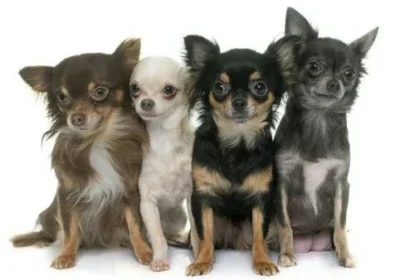
Chihuahua puppies for sale | Chihuahua dog
Chihuahua Personality
The Chihuahua may be tiny, but its personality can be surprisingly confident.
A Chihuahua can be:
- Alert
- Loyal
- Energetic
- Curious
- Playful
- Affectionate
- Protective
- Confident
Some Chihuahuas develop a particularly strong bond with one person, while others enjoy spending time with the entire family.
Is a Chihuahua a Good Family Dog?
A Chihuahua can be a good family companion when everyone understands how delicate its small body can be.
Young children may accidentally injure a Chihuahua by:
- Dropping it
- Stepping on it
- Holding it incorrectly
- Playing too roughly
- Pulling its ears or tail
Families with young children should always supervise interactions.
Chihuahua With Children
Children should learn how to interact safely and respectfully with the dog.
| Children Should | Children Should Avoid |
|---|---|
| Use gentle hands | Rough games |
| Give the dog space while eating | Taking its food |
| Leave the dog alone while sleeping | Waking or disturbing it |
| Ask an adult before picking it up | Picking it up without supervision |
| Respect the dog’s quiet space | Pulling ears or tail |
Your Chihuahua should also have a quiet area where it can retreat when it wants to rest.
Chihuahua With Other Dogs
Chihuahuas can live with other dogs, but their small size means that rough play can be dangerous.
If you already have another dog, introduce them gradually and supervise their interactions.
Watch for:
- Chasing
- Rough play
- Resource guarding
- Fear
- Excessive barking
A Chihuahua should not be expected to protect itself during rough interactions with a much larger dog.
Chihuahua With Cats
Some Chihuahuas can live successfully with cats.
Introductions should be slow and controlled.
Give the cat a safe area where it can move away from the puppy, and supervise interactions until both animals become comfortable around each other.
Chihuahua and Stranger Behavior
Some Chihuahuas can be cautious around unfamiliar people.
A puppy may bark when someone enters the home or when it hears an unfamiliar voice.
Early socialization can help your Chihuahua become more comfortable with different people.
Introduce new people gradually and reward calm behavior.
Chihuahua Training
The small size of a Chihuahua should never be an excuse to skip training.
A well-trained Chihuahua can be easier to manage and more confident in everyday situations.
Important behaviors include:
- Sit
- Stay
- Come
- Wait
- Leave it
- Drop it
- Quiet
- Leash manners
Training also helps establish clear boundaries inside the home.
Are Chihuahuas Easy to Train?
Chihuahuas are intelligent, but they can also be independent.
Some puppies may become distracted or lose interest quickly during training.
A simple approach works well:
Short sessions + repetition + positive reinforcement
Instead of one long lesson, use several short sessions throughout the day.
Chihuahua Puppy Training
Start with simple behaviors and gradually increase the difficulty.
| Training Stage | What to Teach |
|---|---|
| First | Name recognition |
| Next | Sit |
| After that | Come |
| Then | Stay and wait |
| Later | Leave it and drop it |
| Ongoing | Leash manners and calm behavior |
Name Recognition
Say your puppy’s name.
When it looks at you, reward it immediately.
Repeat this regularly until the puppy begins responding naturally to its name.
Sit
Use a small treat to guide your puppy into a sitting position.
When it sits, reward immediately.
Keep the session short and positive.
Come
Start practicing indoors.
Call your puppy and reward it enthusiastically when it approaches.
Never use the “come” command to punish your dog because you want the puppy to associate recall with positive experiences.
Chihuahua House Training
House training can require patience with very small dogs because a Chihuahua puppy has a small bladder.
Create a consistent bathroom routine.
Take your puppy to its designated bathroom area:
- After waking
- After eating
- After drinking
- After playing
- After naps
- Before bedtime
Reward successful bathroom trips immediately.
Accidents can happen during puppyhood, so consistency is more effective than punishment.
Chihuahua Leash Training
Because the Chihuahua is very small, choose a comfortable harness or walking equipment that fits properly.
Begin training indoors.
Allow your puppy to become comfortable wearing the harness before expecting it to walk outside.
Then gradually practice:
- Walking a few steps.
- Rewarding calm behavior.
- Stopping when the puppy pulls.
- Continuing when the leash becomes relaxed.
- Gradually increasing the walking distance.
Chihuahua Socialization
Socialization is particularly important for a Chihuahua because some individuals can become nervous or overly protective without enough positive exposure.
A well-socialized puppy can gradually become familiar with:
- People
- Friendly dogs
- Household sounds
- Cars
- Grooming
- Veterinary handling
- Different environments
Introduce each experience gradually.
The goal is not to overwhelm the puppy but to help it learn that new experiences can be safe.
Chihuahua Barking
Chihuahuas can be naturally alert and may react to unfamiliar sounds or movement.
Common triggers can include:
- Doorbells
- Strange noises
- People outside
- Other dogs
- Unfamiliar movement
Instead of shouting when your Chihuahua barks, first identify the reason for the behavior.
With repetition and positive reinforcement, your Chihuahua can gradually learn better control around common triggers.
Chihuahua Sleep
Young Chihuahua puppies sleep for a significant part of the day. Sleep supports healthy growth, learning, and development.
Create a quiet and comfortable sleeping area where your puppy can rest without being constantly disturbed.
| What the Puppy Needs | Why It Matters |
|---|---|
| Quiet sleeping area | Helps the puppy rest without unnecessary interruptions |
| Comfortable bed | Provides a suitable place to relax |
| Consistent routine | Helps the puppy understand when it is time to sleep |
| Limited disturbance | Allows the puppy to get enough uninterrupted rest |
| Safe environment | Reduces the risk of accidents while sleeping |
An overtired Chihuahua puppy may become:
- Irritable
- Overexcited
- Difficult to train
- More likely to bite
- Easily distracted
Sometimes the best training decision is simply allowing the puppy to sleep.
Chihuahua Exercise Needs
A Chihuahua does not require the same amount of exercise as a large working breed.
However, it still needs daily movement.
Suitable activities include:
- Short walks
- Indoor play
- Fetch
- Training
- Scent games
- Puzzle toys
Avoid assuming that carrying the dog everywhere is enough exercise.
The Chihuahua still benefits from moving its body.
Chihuahua Grooming
Grooming needs depend mainly on the Chihuahua’s coat type. Smooth-coat Chihuahuas generally need less brushing, while long-coat Chihuahuas require more regular coat maintenance.
| Grooming Need | Smooth Coat | Long Coat |
|---|---|---|
| Brushing | Occasional regular brushing | More frequent brushing |
| Bathing | Occasional | Occasional |
| Nail Care | Regular checks | Regular checks |
| Ear Care | Regular checks | Regular checks |
| Dental Care | Important | Important |
| Skin Checks | Regular | Regular |
Regardless of coat type, every Chihuahua needs proper nail care, dental care, ear checks, occasional bathing, and regular skin checks.
Chihuahua Dental Care
Dental care is especially important for small dogs. Because Chihuahuas have very small mouths, their teeth can become crowded and dental problems may develop.
Start dental care early and introduce it gradually:
- Dog toothbrush
- Dog-safe toothpaste
- Gentle mouth handling
- Regular brushing
Your veterinarian can also check your Chihuahua’s teeth during routine examinations and recommend professional dental care when needed.
Chihuahua Ear Care
Check your Chihuahua’s ears regularly.
Look for:
- Redness
- Unpleasant odor
- Excessive wax
- Discharge
- Frequent scratching
- Head shaking
If you notice anything unusual, contact your veterinarian rather than treating the problem yourself.
Chihuahua Nail Care
Long nails can affect walking and comfort.
Check your Chihuahua’s nails regularly. If you are not comfortable trimming them, a veterinarian or professional groomer can show you the correct technique or trim them for you.
Chihuahua Bathing
Chihuahuas generally do not need frequent baths.
When bathing is necessary:
- Use dog-specific shampoo.
- Use lukewarm water.
- Keep shampoo away from the eyes and ears.
- Rinse thoroughly.
- Dry the dog completely.
Because of their small size, Chihuahuas can become cold quickly after bathing, so make sure the coat is fully dry.
Chihuahua Food and Nutrition
A Chihuahua needs a complete and balanced diet appropriate for its age, size, activity level, and life stage.
Puppies should receive food formulated for growth, while adult Chihuahuas should eventually transition to an appropriate adult diet.
Because the breed is so small, portion control is particularly important.
What Should Chihuahua Puppies Eat?
A Chihuahua puppy should receive appropriate puppy food containing suitable amounts of:
- Protein
- Fat
- Vitamins
- Minerals
- Energy
Food formulated for toy or small-breed puppies may be appropriate depending on the puppy’s individual needs.
Your veterinarian can help you choose the most suitable diet.
Chihuahua Feeding Schedule
Young Chihuahua puppies generally benefit from several small meals rather than one or two large meals.
| Time | Activity |
|---|---|
| 7:00 AM | Breakfast |
| 11:00 AM | Meal |
| 3:00 PM | Meal |
| 7:00 PM | Dinner |
This is only an example. The actual feeding schedule should be adjusted according to the puppy’s age, weight, food, development, and veterinary recommendations.
Why Small Chihuahua Puppies Need Careful Feeding
Very small puppies have small stomachs but important nutritional needs during growth.
Skipping meals can be particularly concerning in very young or extremely small puppies.
Contact your veterinarian promptly if your puppy suddenly becomes:
- Weak
- Unusually sleepy
- Unwilling to eat
- Trembling
- Unsteady
- Abnormally quiet
Chihuahua Treats
Treats can be useful for training and positive reinforcement, but they should be very small.
You can use treats for:
- Training
- Positive reinforcement
- Mental stimulation
Because a Chihuahua needs relatively little food each day, even small treats can add significant extra calories.
Foods Chihuahuas Should Avoid
Never intentionally give your Chihuahua foods that can be dangerous to dogs, including:
- Chocolate
- Grapes
- Raisins
- Onions
- Garlic
- Xylitol
- Alcohol
- Caffeine
- Macadamia nuts
- Cooked bones
Keep potentially dangerous foods safely away from your puppy.
Chihuahua Health
Like every breed, Chihuahuas can be predisposed to certain health concerns.
Potential issues include:
- Dental disease
- Patellar luxation
- Heart problems
- Eye problems
- Tracheal problems
- Hydrocephalus
- Hypoglycemia in very young or extremely small puppies
Not every Chihuahua will develop these conditions. Regular veterinary examinations can help monitor your dog’s overall health and identify problems early.
Chihuahua and Dental Problems
Dental health deserves particular attention throughout your Chihuahua’s life.
The small size of the mouth can contribute to crowded teeth and make regular dental care especially useful.
A good routine includes:
- Regular tooth brushing
- Dog-safe toothpaste
- Veterinary dental examinations
- Monitoring for bad breath or changes in eating
Chihuahua and Patellar Luxation
Patellar luxation affects the kneecap and can occur in small dog breeds.
Possible signs include:
- Temporary skipping while walking
- Limping
- Difficulty using a leg
- An unusual gait
If you notice a change in your Chihuahua’s movement, arrange a veterinary examination.
Chihuahua and Hypoglycemia
Very young or extremely small Chihuahua puppies can be vulnerable to low blood sugar.
Possible signs include:
- Weakness
- Trembling
- Unusual sleepiness
- Difficulty standing
- Confusion
- Collapse
These signs can indicate an emergency. Seek veterinary care immediately if a young Chihuahua develops these symptoms.
Chihuahua and Cold Weather
Despite being associated with warm climates, Chihuahuas can become cold because of their small body size.
During genuinely cold conditions, provide:
- Warm bedding
- A comfortable indoor environment
- Appropriate clothing when necessary
Avoid exposing a small Chihuahua to extreme temperatures.
Chihuahua Dubai: Living With a Chihuahua in the UAE
A Chihuahua Dubai lifestyle can work very well because the breed generally adapts well to indoor living.
However, Dubai’s climate requires careful planning, especially during summer.
During periods of extreme heat:
- Keep your Chihuahua indoors during peak heat.
- Walk early in the morning.
- Walk after sunset.
- Provide fresh water.
- Avoid hot pavement.
- Keep the indoor environment comfortably cool.
- Never leave your dog inside a parked car.
Chihuahua in Dubai Summer
Summer may require a completely different daily routine.
| Part of Day | Suitable Activity |
|---|---|
| Early Morning | Short outdoor walk |
| Late Morning | Indoor rest |
| Afternoon | Indoor play and mental stimulation |
| Evening | Training or indoor activities |
| After Sunset | Short walk when temperatures allow |
| Night | Bathroom routine and rest |
On particularly hot days, outdoor activity may need to be reduced further.
Chihuahua and Hot Pavement
A Chihuahua’s paws can be burned by extremely hot pavement.
Before going outside, consider:
- Ground temperature
- Shade
- Time of day
- Length of the walk
If the pavement is too hot, skip the walk and provide indoor activities instead.
Good indoor options include:
- Training
- Puzzle toys
- Gentle play
- Scent games
- Interactive toys
Chihuahua Apartment Living
A Chihuahua can be an excellent apartment dog.
It does not require a large garden, but it still needs daily physical and mental activity.
A suitable apartment routine should include:
- Exercise
- Play
- Training
- Mental stimulation
- Companionship
- Rest
The size of the home matters less than whether the dog’s daily needs are properly met.
Chihuahua and Travel
Chihuahuas are small and can often adapt well to travel when introduced gradually.
When traveling by car:
- Use an appropriate carrier or restraint.
- Keep the temperature comfortable.
- Carry fresh water.
- Start with shorter journeys.
- Avoid unnecessary exposure to extreme heat.
- Never leave the dog alone in a parked vehicle.
How to Help Chihuahua Puppies Adjust to a New Home
The first days should be calm and predictable.
Your Chihuahua puppies may need time to become comfortable with their new surroundings.
A simple starting routine is:
- Quiet area
- water
- food
- bathroom
- rest
Allow your puppy to explore gradually instead of immediately giving it access to the entire home.
The First Day
Avoid overwhelming your Chihuahua puppy with too many new experiences.
Try to avoid:
- Large gatherings
- Loud music
- Constant handling
- Long unnecessary trips
- Too many visitors
Give the puppy opportunities to sleep and rest whenever it needs to.
The First Week
During the first week, focus on creating a predictable routine.
Priorities include:
- Feeding routine
- Bathroom routine
- Sleep
- Name recognition
- Gentle handling
- Short training
- Safe socialization
The goal is adjustment, not perfect behavior.
The First Month
During the first month, your Chihuahua can gradually become familiar with:
- Its name
- Sleeping area
- Food routine
- Bathroom location
- Family members
- Basic commands
- Grooming
- Household sounds
Puppies learn gradually, so consistency is more important than expecting immediate results.
Chihuahua Puppy Daily Routine
A young Chihuahua can benefit from a predictable daily routine.
| Time | Activity |
|---|---|
| 7:00 AM | Wake up |
| 7:10 AM | Bathroom |
| 7:30 AM | Breakfast |
| 8:00 AM | Gentle play |
| 8:30 AM | Nap |
| 10:30 AM | Bathroom |
| 11:00 AM | Short training |
| 11:15 AM | Rest |
| 1:00 PM | Meal |
| 1:30 PM | Quiet play |
| 2:00 PM | Nap |
| 4:00 PM | Bathroom |
| 4:15 PM | Mental stimulation |
| 6:30 PM | Dinner |
| 7:00 PM | Family time |
| 9:30 PM | Bathroom |
| 10:00 PM | Sleep |
This is an example rather than a fixed schedule. Your puppy’s routine should be adjusted according to its age, feeding requirements, sleep needs, and veterinary advice.
Chihuahua Puppies and Sleep
Young puppies need substantial amounts of sleep.
Do not keep your Chihuahua awake simply because you want to play.
An overtired puppy may become:
- Irritable
- Overexcited
- Difficult to train
- More likely to bite
Provide a quiet sleeping area where your puppy can rest without constant interruptions.
How to Build Trust With a Chihuahua
Chihuahuas can develop very strong relationships with their owners.
Build trust through consistent and positive interactions.
Spend time:
- Feeding
- Training
- Playing
- Grooming
- Resting together
- Talking calmly to your puppy
Avoid fear-based training methods.
The goal is for your Chihuahua to learn that you are a safe and predictable part of its environment.
Chihuahua Body Language
Understanding body language can help you recognize how your dog is feeling.
A relaxed Chihuahua may show:
- Loose posture
- Normal breathing
- Relaxed ears
- Soft eyes
A nervous Chihuahua may:
- Hide
- Tremble
- Avoid eye contact
- Lower its body
- Move away
If your Chihuahua appears uncomfortable, give it space instead of forcing interaction.
Chihuahua Barking and Fear
Some Chihuahuas bark when they feel threatened or frightened.
Remember that the world can appear very large to such a small dog.
A large person, unfamiliar dog, loud sound, or sudden movement may feel intimidating.
Instead of punishing fearful behavior, work on building confidence through gradual exposure and positive reinforcement.
How to Socialize a Chihuahua Correctly
Socialization does not mean forcing your puppy to meet everyone.
It means giving your puppy controlled opportunities to experience the world positively.
Over time, your Chihuahua can learn that unfamiliar people are not automatically something to fear.
The same approach can be used with:
- Cars
- Household sounds
- Friendly dogs
- Grooming
- Veterinary visits
- New environments
Chihuahua Puppies for Sale: What Should You Consider?
If you are searching for Chihuahua puppies for sale, avoid choosing a puppy based only on color, size, or appearance.
Consider:
| Factor | What to Check |
|---|---|
| Age | Is the puppy at an appropriate age? |
| Health | Does the puppy appear healthy and active? |
| Temperament | Is its personality suitable for your home? |
| Vaccination | Is vaccination information available? |
| Feeding | What food and routine is the puppy currently following? |
| Coat | Smooth or long coat? |
| Expected size | What size is the puppy expected to reach? |
| Care history | What care has the puppy received? |
Ask questions before making your final decision.
Choosing a Chihuahua Puppy
When evaluating a Chihuahua puppy, look beyond appearance.
A puppy should ideally appear:
- Alert
- Responsive
- Comfortable around people
- Appropriately active
- Clean
- Well cared for
You can also ask about:
- Vaccinations
- Deworming
- Current food
- Age
- Gender
- Health history
Why Size Should Not Be the Only Factor
Some buyers specifically search for the smallest Chihuahua possible.
However, extremely small size can increase fragility and may require additional care.
A healthy, properly developing puppy should be a higher priority than simply finding the tiniest puppy available.
Chihuahua Price
The Chihuahua price can vary depending on several factors.
| Factor | Possible Effect on Price |
|---|---|
| Age | Different ages may have different prices |
| Coat type | Smooth and long coats may differ in availability |
| Color | Certain colors may be more sought after |
| Size | Expected adult size can influence demand |
| Pedigree | Background can affect price |
| Health documentation | Veterinary records and screening may influence value |
| Location | Prices can vary by market |
| Availability | Demand and current availability can affect price |
When comparing puppies, consider the overall care and information provided rather than focusing only on the lowest price.
Learn more about the Cavapoo breed
What to Ask About Chihuahua Price
Before purchasing, ask what is included in the listed price.
Useful questions include:
- Is vaccination information included?
- Are health records available?
- What food is the puppy currently eating?
- Is delivery available?
- Is after-purchase guidance available?
- What is the puppy’s current age?
- What is the puppy’s current health status?
This gives you a clearer understanding of the overall purchase.
Chihuahua and Responsible Ownership
Owning a Chihuahua is a long-term responsibility.
Before bringing one home, consider whether you can provide:
- Daily companionship
- Appropriate food
- Veterinary care
- Training
- Dental care
- Grooming
- Safe exercise
- Protection from extreme UAE heat
- A secure home environment
A Chihuahua may be small, but it still depends on its owner for consistent care.
Learn more about French Bulldog and German Shepherd price in UAE
Common Chihuahua Care Mistakes
Treating the Chihuahua Like a Toy
A Chihuahua is a dog with physical, emotional, and behavioral needs.
Carrying It Everywhere
Although the breed is easy to carry, it still needs appropriate movement and exercise.
Ignoring Dental Care
Small mouths can create dental challenges, making oral hygiene particularly important.
Overfeeding
Because the Chihuahua is so small, excess calories can add up quickly.
Skipping Socialization
Insufficient socialization may contribute to fear, nervousness, or excessive barking.
Allowing Rough Play
The Chihuahua’s small body makes careful handling essential.
Ignoring Heat
Dubai’s summer temperatures can be dangerous for dogs.
Not Training the Dog
Small size does not mean that training is unnecessary.
Chihuahua as a Companion Dog
The Chihuahua can be an excellent companion for someone looking for a dog that is:
- Small
- Alert
- Affectionate
- Adaptable
- Intelligent
- Energetic
- Full of personality
Despite its tiny body, a Chihuahua can become a strong part of family life. With proper nutrition, training, socialization, grooming, veterinary care, and companionship, it can enjoy a comfortable life as an indoor family dog.
Chihuahua at Home: Daily Routine
A simple routine for a Chihuahua can include:
Morning: Bathroom + breakfast + short walk
Late morning: Rest
Afternoon: Indoor play + training
Evening: Dinner + walk when weather allows
Night: Family time + bathroom + sleep
Consistency makes life easier for both the dog and owner.
Find Chow Chow puppy and cockapoo puppy in Dubai
About Puppies Nest
Puppies Nest is a UAE-based puppy store focused on helping customers find puppies from different breeds and choose a companion that fits their home and lifestyle. If you are looking for Chihuahua puppies, Puppies Nest provides information about the available puppies so you can ask about important details before making your decision.
Why Choose Puppies Nest for Chihuahua Puppies?
Choosing a Chihuahua is about more than simply finding a small and attractive puppy. You need to understand the puppy’s characteristics, care requirements, feeding routine, and health information before bringing it home.
With Puppies Nest, you can ask about:
- Available Chihuahua puppies
- Puppy age and gender
- Size and appearance
- Current availability
- Vaccination information and documentation
- Feeding and care requirements
- Delivery options within the UAE
- Purchase and ordering details
Chihuahua Puppies With Vaccination Documentation
The available puppy comes with a vaccination certificate, giving you important information about its vaccination history. Keep this documentation and provide it to your veterinarian so they can advise you about the puppy’s next required vaccinations and ongoing healthcare.
Keeping vaccination records organized is especially useful when you later visit a veterinary clinic or arrange other pet services in the UAE.
Delivery Within the UAE
Puppies Nest also provides delivery services within the UAE, making it more convenient for customers who are located outside the immediate area.
Before ordering, contact the Puppies Nest team to confirm:
- Puppy availability
- Your location
- Delivery arrangements
- Timing
- Purchase details
Looking for Chihuahua Puppies for Sale?
If you are searching for Chihuahua puppies for sale, you can contact Puppies Nest through WhatsApp to ask about the puppies currently available.
You can ask the team about the puppy’s age, gender, appearance, vaccination certificate, care requirements, price, and delivery options before completing your purchase.
FAQs About Chihuahua Breed
1. Is a Chihuahua a good dog for apartment living?
Yes. A Chihuahua dog can adapt very well to apartment living because of its small size. However, it still needs daily movement, play, training, mental stimulation, and regular interaction with its family. A small home can be suitable as long as the dog’s physical and emotional needs are met.
2. How much exercise does a Chihuahua need?
Chihuahuas generally need short daily walks combined with indoor play and mental stimulation. Young Chihuahua puppies should not be forced to run long distances or participate in strenuous exercise. Because of their small bodies, activities should be age-appropriate and carefully supervised.
3. What should I feed Chihuahua puppies?
Chihuahua puppies should receive a complete and balanced puppy food appropriate for their age and small size. Young puppies may need several small meals throughout the day. Avoid sudden food changes and excessive treats. A veterinarian can recommend suitable food and portions based on the puppy’s age, weight, and development.
4. Are Chihuahuas easy to train?
Chihuahuas are intelligent and can learn many commands, but some can be independent or easily distracted. Short, consistent training sessions using positive reinforcement usually work well. Start with basic commands such as sit, come, stay, wait, and leave it, along with early house training and socialization.
5. What should I check before buying Chihuahua puppies for sale?
When looking at Chihuahua puppies for sale, consider more than the puppy’s appearance or Chihuahua price. Ask about the puppy’s age, gender, health information, vaccination history, current food, and general care. At Puppies Nest, you can also ask about available Chihuahua puppies, their vaccination certificate, and delivery services within the UAE before completing your purchase.
6. Can a Chihuahua live comfortably in Dubai?
Yes. A Chihuahua can adapt well to life in Dubai because it is a small indoor companion dog. However, the UAE’s hot climate requires careful planning. Keep your Chihuahua indoors during extreme heat, provide fresh water, use air conditioning, and schedule walks during cooler hours such as early morning or evening.
7. Are Chihuahua puppies difficult to house train?
House training can require patience, especially with very young Chihuahua puppies. Their small size means they may need more frequent bathroom breaks. Take the puppy to the designated area after waking, eating, drinking, playing, and sleeping, and reward successful behavior immediately.
8. Do Chihuahuas need a lot of grooming?
It depends on the coat type. Smooth-coat Chihuahuas generally need simple regular brushing, while long-coat Chihuahuas require more frequent brushing to prevent tangles. Both types need regular nail care, dental care, ear checks, and occasional bathing.
9. Are Chihuahuas good for first-time dog owners?
They can be, especially for owners who are prepared to provide consistent training and socialization. Their small size can make them easier to manage in an apartment, but owners should not underestimate their needs. Chihuahuas can be confident and vocal, so early training is important.
10. How can I choose healthy Chihuahua puppies for sale?
When looking at Chihuahua puppies for sale, ask about their age, health information, vaccination records, current food, and general care. It is better to focus on the puppy’s overall health and development rather than choosing based only on Chihuahua price, color, or extremely small size.