
The german shepherd is a working breed known for intelligence, loyalty, athletic ability, and cooperation with people. For anyone researching german shepherd puppies, understanding the breed means learning about its history, purpose, temperament, training, care, and puppy development. Coat descriptions such as black german shepherd, white german shepherd, and german shepherd black can raise questions.
This guide explains the breed from its German origins through responsible puppy care, helping owners evaluate whether its needs fit their lifestyle.
What Is a German Shepherd?
A German Shepherd is a large working dog breed developed in Germany from regional herding and utility dogs. The modern.
Today, German Shepherds can be companions as well as working dogs. Their abilities have supported police, detection, search-and-rescue, assistance, military-related,.
For a future owner, the most useful starting point is to recognize that this is an active working breed. A.
Where Did the German Shepherd Originate?
The modern German Shepherd originated in Germany. Before a standardized breed existed, Germany had many regional herding and working dogs.
During the late nineteenth century, efforts to organize and standardize these useful traits helped create the foundation of the modern.
The breed later spread beyond Germany and became internationally recognized. Its transition from regional herding work to many forms of.
German Shepherd History and Development
The breed’s history is closely connected to the idea that a dog should be selected for useful function. Several developments were especially important:
- Regional German herding dogs provided the foundation.
- Breeders increasingly valued consistent working qualities.
- Max von Stephanitz became a central figure in formal breed development.
- Horand von Grafrath became an influential foundation dog.
- Organized breeding helped establish a recognizable breed type.
- The German Shepherd later expanded into international working and companion roles.
The history matters because many characteristics modern owners experience are connected to this working heritage. A dog selected for responsiveness, endurance, alertness, and utility is likely to need more engagement than a breed developed primarily for sedentary companionship.
Max von Stephanitz and the Modern Breed
Max von Stephanitz played a defining role in the development of the German Shepherd. He emphasized working ability and utility and helped establish a formal organization for the breed, the Verein für Deutsche Schäferhunde, commonly known as the SV.
Horand von Grafrath, originally registered as Hektor Linksrhein, became a major foundation of the organized breed. Stephanitz and other early enthusiasts promoted a consistent type while keeping working ability central to selection.
This historical emphasis helps explain why the German Shepherd is often highly responsive to training. The breed was not developed simply to look uniform; it was developed to perform useful work with people. Modern breeding practices and individual lines vary, however, so no single historical description should be treated as a guarantee of every dog’s temperament or ability.
What Were German Shepherds Originally Bred For?
German Shepherds were originally developed primarily for herding and practical livestock work. Their duties depended on controlling and moving animals, responding to a handler, traveling over varied terrain, and maintaining attention for extended periods.
The qualities useful for that work included:
- Alertness to surroundings
- Responsiveness to human direction
- Physical endurance
- Agility and coordination
- Problem-solving ability
- Confidence in varied environments
- Willingness to work repeatedly
As farming practices changed and the breed became more widely known, these characteristics made German Shepherds useful beyond herding. Their combination of intelligence, physical ability, and handler focus supported later working roles.
From Herding Dog to Versatile Working Breed
German Shepherds eventually became associated with police work, search and rescue, detection, military-related duties, assistance work, guarding, obedience, and other structured activities. Their success in these areas reflects a useful combination of physical ability and willingness to learn.
However, versatility should not be confused with automatic suitability. A police dog, search-and-rescue dog, family companion, and sport dog may require different temperaments and training. Even within one litter, puppies can differ in confidence, energy, sociability, and motivation.
For ordinary owners, the practical lesson is simple: provide outlets appropriate to the individual dog rather than assuming that every German Shepherd needs professional working tasks.
German Shepherd Physical Characteristics
The German Shepherd generally has an athletic, muscular structure designed for efficient movement. The breed has a strong head, upright ears in mature dogs, a bushy tail, and a dense double coat. Proportions and appearance can vary among individuals and breeding lines.
| Physical Feature | General Description |
|---|---|
| Build | Athletic, muscular, and functional |
| Ears | Upright in mature dogs |
| Coat | Dense double coat |
| Body | Strong and well-proportioned |
| Tail | Bushy and naturally carried |
| Overall appearance | Athletic working-dog structure |
A healthy appearance should not be reduced to one feature. Prospective owners should consider overall condition, movement, behavior, and veterinary information rather than assuming that a particular head shape, color, or size proves quality.
German Shepherd Coat and Colors
German Shepherd coats can appear in several recognized patterns and combinations. Common appearances include black and tan, sable, and solid black, while white-coated dogs create additional questions about breed standards and registry classification.
Coat color is primarily an appearance characteristic. It should not be used as a shortcut for judging intelligence, trainability, loyalty, aggression, or family suitability. Two dogs with different coats can have very similar needs, while two dogs with similar coats can have very different personalities.
What Is a Black German Shepherd?
A black German Shepherd is a German Shepherd with a solid black coat. The coloration does not automatically make the dog a separate breed. Genetic inheritance determines coat color, and the expression of that color can vary according to the dog’s genetic background.
People sometimes assume a solid-black dog has a particular temperament, but color alone does not establish personality. When considering a black-coated German Shepherd, it is more useful to evaluate the individual dog’s behavior, socialization, health information, and environment.
What Is a White German Shepherd?
A white German Shepherd is a German Shepherd-type dog with a predominantly white coat. White coloration has a complicated history within German Shepherd breed standards, and recognition has differed among kennel organizations.
The important distinction is between coat appearance and registry classification. A white-coated German Shepherd is not automatically a different kind of dog in terms of basic care, intelligence, or training needs. Some organizations have historically excluded white coats from their German Shepherd standards, while separate White Shepherd registries or concepts exist in some settings.
Is a White German Shepherd a Different Breed?
The answer depends partly on the registry and the terminology being used. Some organizations treat white-coated German Shepherds as non-standard color within the German Shepherd breed, while others have recognized or registered White Shepherds separately.
Therefore, it is better to ask which registry or breed standard is being discussed rather than giving one universal classification. Coat color itself does not determine a dog’s personality or ability.
German Shepherd Temperament
The German Shepherd is generally intelligent, alert, loyal, responsive, and closely bonded with its people. Many individuals are confident and observant, and the breed often enjoys having a clear purpose or routine.
Temperament is never identical across all dogs. Genetics, early development, socialization, training, environment, health, and life experiences can influence behavior. Responsible ownership therefore focuses on the individual rather than relying on stereotypes.
A well-managed German Shepherd may be attentive without being constantly reactive. Early positive experiences, clear boundaries, and appropriate training can help a young dog learn how to respond to unfamiliar people, animals, sounds, and environments.
Are German Shepherds Good Family Dogs?
Yes, a German Shepherd can be a good family dog when the household can meet its physical, mental, and training needs. The breed often forms strong relationships with family members and can enjoy participating in everyday activities.
Important factors include:
- Early socialization
- Consistent training
- Supervision around children
- Adequate exercise
- Mental stimulation
- Individual temperament
- Respectful handling
- Predictable household rules
A family should not choose the breed based only on its reputation for loyalty or intelligence. Its size, energy, strength, and need for structure must also fit the household.
German Shepherd Intelligence and Trainability
German Shepherds are widely regarded as highly trainable working dogs. Their history of cooperating with handlers helps explain their responsiveness to structured learning. They can learn cues, routines, boundaries, and complex behaviors when training is clear and consistent.
Intelligence does not mean training is effortless. A smart dog can learn unwanted behaviors quickly, become bored with repetitive work, or become frustrated when expectations are unclear. Reward-based training, short productive sessions, consistency, and appropriate mental challenges are valuable.
Training should begin early but remain age-appropriate. Owners can start with name recognition, attention, handling, toilet routines, simple cues, and calm behavior before gradually adding more difficult skills.
When comparing a German Shepherd with other popular family breeds, potential owners may also research the Labrador retriever سعر to understand the financial considerations of choosing a different breed. However, price should not be the only factor in the decision.
Labrador Retrievers and German Shepherds have different exercise, grooming, training, temperament, and long-term care requirements, so the best choice depends on which breed’s characteristics and responsibilities fit the owner’s lifestyle.
What Are German Shepherd Puppies Like?
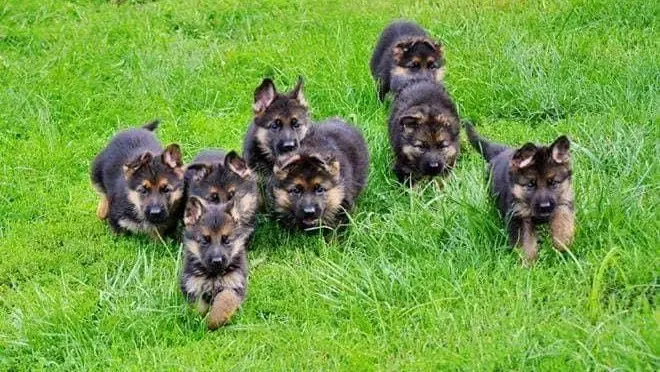
German Shepherd puppies are curious, energetic, social learners that change rapidly during their early months. They may explore with their mouths, chew objects, vocalize, become tired quickly, and alternate between intense activity and substantial periods of sleep.
Puppies should not be expected to behave like miniature adults. Their attention span, coordination, bladder control, emotional regulation, and impulse control are still developing.
| Puppy Stage | Main Development Focus |
|---|---|
| Early weeks | Nursing, bonding, and sensory development |
| Early socialization period | Safe exposure, handling, and learning about surroundings |
| Juvenile stage | Training, boundaries, coordination, and confidence |
| Adolescence | Continued learning, impulse control, and social development |
| Young adulthood | Increasing physical maturity and behavioral development |
Individual timelines vary, so owners should focus on steady progress rather than comparing one puppy with another.
German Shepherd Puppy Socialization
Socialization means helping a puppy develop comfortable, appropriate responses to people, environments, sounds, surfaces, handling, and other safe experiences. It is not the same as forcing a puppy into crowded or frightening situations.
Good socialization is gradual and positive. A puppy can encounter household sounds, different floor surfaces, calm visitors, car travel, appropriate dogs, and ordinary routines while being allowed enough distance and time to remain comfortable.
Early experiences can influence confidence, but genetics also matter. Owners should therefore avoid expecting socialization to erase every inherited tendency. The goal is to give the puppy a strong foundation for learning and adapting.
German Shepherd Puppy Training
Early training is easier when the household agrees on simple, consistent rules. Useful priorities include:
- Name recognition and attention
- Toilet training
- Appropriate chewing
- Basic cues
- Calm handling
- Leash introduction
- Recall foundations
- Impulse control
- Calm greetings
- Consistent household routines
Harsh punishment is unnecessary and can damage trust or create fear. Positive reinforcement helps the puppy understand which behaviors earn useful consequences. Training should be frequent enough to build habits without overwhelming a young dog.
German Shepherd Exercise Needs
German Shepherds generally need regular physical activity, but exercise should match age and development. Adult dogs may enjoy walks, play, structured activities, and training. Puppies need shorter, age-appropriate opportunities for movement, exploration, and play rather than excessive forced exercise.
A useful routine combines physical and mental activity. Simply trying to exhaust a puppy can create problems if the activity is inappropriate for growing joints or if the dog learns that constant high-intensity activity is expected.
| Activity | General Consideration |
|---|---|
| Walking | Adjust duration and intensity to age |
| Play | Use safe, supervised activities |
| Training | Provides both learning and mental work |
| Exploration | Builds environmental familiarity |
| Free movement | Allow appropriate self-paced activity |
| Rest | Essential during puppy development |
German Shepherd Mental Stimulation
Physical exercise alone may not satisfy an intelligent working breed. Mental activities can include basic obedience, scent games, food puzzles, interactive play, simple problem-solving tasks, and learning new behaviors.
Mental stimulation should be appropriate to the dog’s age and temperament. The objective is not to keep the dog busy every waking minute. Rest and calm behavior are skills too.
A balanced routine gives the dog opportunities to learn, move, interact, and settle. This can be especially useful for dogs that become restless when their environment provides little structure.
German Shepherd Grooming and Shedding
German Shepherds have a dense double coat and are not low-shedding dogs. Regular brushing helps remove loose hair, distribute natural oils, and keep the coat easier to manage.
Owners should also plan for:
- Nail trimming
- Ear checks
- Dental care
- Occasional bathing when needed
- Routine coat inspection
- Increased brushing during heavier shedding periods
Do German Shepherds Shed a Lot?
Yes. German Shepherds generally shed throughout the year, and seasonal changes can produce heavier shedding. Regular brushing can reduce loose hair around the home, but no grooming routine will eliminate shedding completely.
Shaving the coat is not a standard solution for normal shedding. The double coat provides important protective functions, so owners should discuss unusual coat or skin concerns with a veterinary professional or qualified groomer.
German Shepherd Feeding and Nutrition
Growing German Shepherds need appropriate puppy nutrition, careful portion management, and access to clean water. Because the breed is large and develops significantly during puppyhood, food selection should support controlled, healthy growth.
Owners should avoid choosing portions solely from generic advice. Feeding needs vary with age, weight, activity, food formulation, and individual health. A veterinarian can help determine an appropriate nutritional plan.
Useful habits include:
- Following the food’s feeding guidance as a starting point
- Monitoring body condition
- Keeping treats moderate
- Providing fresh water
- Avoiding sudden diet changes
- Discussing growth and nutrition with a veterinarian
German Shepherd Health Considerations
German Shepherds can be affected by health problems seen in many large breeds as well as concerns associated with their genetics. Relevant conditions may include hip dysplasia, elbow dysplasia, degenerative myelopathy, and gastric dilatation-volvulus.
This does not mean every German Shepherd will develop these conditions. Risk varies among individuals and can be influenced by genetics, conformation, environment, nutrition, and overall care.
| Health Consideration | Responsible Ownership Focus |
|---|---|
| Hip dysplasia | Veterinary monitoring and thoughtful weight management |
| Elbow dysplasia | Appropriate growth and professional assessment |
| Degenerative myelopathy | Understand family history where available |
| Gastric dilatation-volvulus | Learn warning signs and seek urgent veterinary care |
| General health | Preventive veterinary care and regular monitoring |
Health information should never be used to diagnose a particular puppy from appearance or photographs. Veterinary assessment remains important.
German Shepherds and Children
German Shepherds can live successfully with children when adults provide supervision, training, and appropriate socialization. Children should learn not to. Families comparing breeds, including Golden retriever puppies, should apply the same lifestyle questions.
No breed should be treated as automatically safe or unsafe with every child. Individual temperament and household management matter. Adults.
Are German Shepherds Good for First-Time Owners?
They can be, but they are not always the easiest first dog. Their intelligence and trainability can make learning rewarding,.
A first-time owner is more likely to succeed by learning about training, socialization, nutrition, grooming, and canine body language before.
The key question is not whether the owner has previously owned a dog. It is whether the household is prepared.
German Shepherd Training Plan for New Owners
Stage 1 — Foundation
Begin with name recognition, attention, handling, household routines, and calm behavior.
Stage 2 — Basic Obedience
Gradually teach cues such as sit, down, stay, recall, and leash skills using clear, reward-based methods.
Stage 3 — Socialization
Continue controlled exposure to people, environments, sounds, surfaces, and suitable dogs.
Stage 4 — Impulse Control
Practice waiting, calm greetings, settling, and responding despite moderate distractions.
Stage 5 — Continued Learning
Build more advanced obedience or activities according to the dog’s abilities and the owner’s goals.
Training should remain consistent as the dog matures. Adolescence is not a reason to stop teaching; it is often a.
Comparing German Shepherds With Other Breeds
Prospective owners often compare breeds because lifestyle fit matters more than popularity. Someone researching a poodle dog للبيع, for example,.
When comparing dogs, consider:
- Adult size
- Energy level
- Trainability
- Grooming requirements
- Social behavior
- Exercise needs
- Space
- Typical interaction with family
- Long-term care responsibilities
German Shepherds stand out for their working ability and close engagement with people, but those strengths come with responsibilities.
German Shepherd Puppy Home Safety
Puppies investigate the world with their mouths and bodies. Before arrival, remove or secure hazards.
| Risk | Preventive Step |
|---|---|
| Cables | Keep inaccessible |
| Small objects | Remove from floors |
| Chemicals | Store securely |
| Trash | Use closed containers |
| Doors | Prevent accidental escape |
| Unsafe plants | Remove or restrict access |
Also secure medications, unsafe foods, sharp objects, and areas where a puppy could become trapped.
German Shepherd Communication and Body Language
Understanding how a German Shepherd communicates can make everyday ownership easier. Dogs do not rely on words to express excitement, uncertainty, discomfort, curiosity, or stress. They use posture, facial expressions, ear position, tail movement, eye contact, vocalizations, and movement patterns.
A relaxed German Shepherd may have a loose body, natural posture, and comfortable movement. A dog that becomes tense, repeatedly avoids interaction, freezes, hides, or shows unusual defensive behavior may be experiencing discomfort or stress. Owners should look at the entire body rather than interpreting one signal in isolation.
Learning canine body language is particularly useful with puppies. A puppy that turns away, pauses during interaction, or repeatedly seeks distance may be asking for a break rather than being stubborn. Respecting these signals can help build trust and prevent unnecessary pressure.
How to Build a Strong Bond With a German Shepherd
German Shepherds often form close relationships with their owners, but a strong bond develops through consistent daily interaction rather than simply spending time in the same room. Dogs learn to trust people when their environment is predictable and their needs are handled consistently.
Simple activities can strengthen this relationship:
- Short training sessions
- Calm play
- Regular walks
- Grooming and gentle handling
- Interactive games
- Quiet time together
- Rewarding desirable behavior
The goal is not to create constant dependence. A well-bonded German Shepherd should also learn how to relax independently and feel comfortable when the owner is not actively interacting with it.
Consistency is especially important. If one family member allows a behavior while another always punishes it, the dog receives confusing information. Clear household expectations make learning easier and can reduce frustration for both the dog and the family.
German Shepherd Alone Time and Independence
Because German Shepherds are often highly people-oriented, owners should think about independence from an early stage. A dog that receives attention every moment it is awake may struggle when the household becomes busy or when the owner needs to leave.
Independence can be developed gradually by teaching the puppy that calm time alone is normal. A safe resting area, enrichment toys, predictable routines, and short periods of separation can help create this skill.
The objective is not to leave a puppy alone for unnecessarily long periods. Young dogs have developmental and toilet needs that require appropriate supervision. Instead, owners can gradually teach the dog that separation is temporary and that calm behavior can be rewarding.
This becomes particularly important for households with changing schedules. A German Shepherd should learn how to participate in family life without becoming dependent on constant interaction.
German Shepherd Guarding Instincts and Visitor Management
German Shepherds are known for being alert and observant, but owners should distinguish between appropriate awareness and uncontrolled reactivity. A dog noticing someone at the door is normal; barking continuously, lunging, or becoming impossible to redirect can create household challenges.
Visitor management should begin before problems develop. Owners can teach behaviors such as going to a designated place, waiting calmly, responding to the owner’s cues, and settling after a visitor enters.
Puppies should experience different types of people in controlled and positive circumstances. This does not mean every stranger should touch the puppy. The objective is to teach the dog that unfamiliar people, sounds, and situations can be handled calmly.
Responsible management is particularly important because the German Shepherd’s size and strength mean that unwanted behavior can become difficult to control as the dog matures.
German Shepherd Car Travel and Outdoor Adventures
Transportation is another part of everyday life that owners sometimes overlook. A German Shepherd may need to travel for veterinary appointments, family trips, training, grooming, or emergencies, so car manners are worth teaching early.
A puppy can gradually become comfortable with the vehicle through short, positive experiences. Owners should use an appropriate restraint or secured travel area and avoid allowing the dog to move freely around the vehicle.
Outdoor activities can also become valuable enrichment. Depending on age, fitness, and training, German Shepherds may enjoy longer walks, controlled hikes, scent activities, obedience exercises, and other dog-friendly adventures.
However, outdoor freedom should never replace reliable training. A dog should be physically prepared, appropriately conditioned, and managed safely around traffic, unfamiliar animals, extreme weather, and other environmental hazards.
How to Choose the Right German Shepherd for Your Lifestyle
Not every German Shepherd is the same, and choosing an individual puppy should involve more than coat color or appearance. Families should consider temperament, energy level, confidence, sociability, activity preferences, and the dog’s background.
A highly energetic puppy may thrive with an active owner who enjoys training and outdoor activities. A different puppy may be better suited to a household looking for a calmer companion, depending on its individual characteristics and developmental stage.
Prospective owners should also think about their future lifestyle rather than only their current routine. Work schedules, children growing older, travel, housing changes, and financial responsibilities can all affect whether the breed remains a practical fit.
The right German Shepherd is not necessarily the most impressive-looking puppy. It is the individual whose needs and characteristics can realistically fit the owner’s ability to provide care throughout its life.
German Shepherd Weather and Seasonal Care
German Shepherds have a dense double coat that provides insulation, but owners still need to consider weather conditions. Hot environments require particular attention because dogs can overheat even when they appear energetic and willing to continue exercising.
During hot weather, exercise is generally safer during cooler parts of the day. Fresh water, shade, ventilation, and opportunities to rest are essential. Owners should also recognize signs of overheating and seek veterinary assistance when a dog appears seriously distressed.
Cold weather can present different challenges, especially for puppies, senior dogs, or individuals with health problems. Appropriate shelter and monitoring remain important even for a breed with a substantial coat.
Seasonal care is therefore less about assuming that the breed can tolerate every climate and more about adjusting activity, hydration, shelter, and supervision to actual conditions.
When Should a German Shepherd Owner Seek Professional Help?
Responsible ownership also means recognizing when a problem requires more than online advice or basic training. Sudden changes in behavior, unexplained aggression, persistent fear, significant appetite changes, repeated vomiting, breathing difficulties, lameness, or other concerning symptoms should be discussed with a veterinary professional.
Behavioral issues can also benefit from qualified assistance. If a German Shepherd repeatedly reacts strongly to people, dogs, sounds, handling, or specific environments, waiting for the problem to disappear may allow the behavior to become more established.
Professional support does not mean ownership has failed. Early guidance can help identify the cause of a problem and create a safer, more practical management and training plan.
For German Shepherd owners, knowing when to seek help is just as important as knowing how to train, exercise, and care for the dog at home.
Before Bringing German Shepherd Puppies Home
Before a puppy arrives, preparation should cover both physical supplies and household responsibilities:
The first days should be calm rather than overloaded with visitors, outings, or demanding training.
Common German Shepherd Owner Mistakes
- Underestimating energy: provide balanced physical and mental activity.
- Delaying training: begin simple, age-appropriate learning early.
- Skipping socialization: provide gradual positive experiences.
- Using inconsistent rules: make expectations clear across the household.
- Exercising without mental work: include training and problem-solving.
- Ignoring grooming: brush regularly and monitor the coat.
- Expecting adult behavior from a puppy: allow for development.
- Overlooking weight management: monitor body condition and nutrition.
- Using harsh training methods: prioritize clear, reward-based teaching.
- Failing to plan long term: consider health, time, finances, and aging.
German Shepherd Puppy Development Timeline
Development is gradual rather than perfectly linear.
| Development Area | What Owners May Notice |
|---|---|
| Social development | Increasing interest in people and surroundings |
| Coordination | Rapid physical changes |
| Training | Growing ability to learn routines |
| Independence | Gradual increase with age |
| Impulse control | Requires continued practice |
| Physical growth | Significant changes throughout puppyhood |
| Confidence | Can develop through appropriate experiences |
A temporary regression does not necessarily mean training has failed. Puppies and adolescents can show uneven progress as they mature.
Coat Variations and Individual Selection
| Coat Appearance | General Description |
|---|---|
| Black and tan | Dark coat with tan markings |
| Sable | Individual hairs may show multiple shades |
| Solid black | Predominantly or completely black coat |
| White | Predominantly white coat |
Coat appearance can be attractive, but it should remain one part of a broader evaluation. Temperament, health information, socialization, structure,.
Black German Shepherd vs White German Shepherd
| Consideration | Black German Shepherd | White German Shepherd |
|---|---|---|
| Coat appearance | Solid black | Predominantly white |
| Breed relationship | German Shepherd coloration | Classification can differ by registry |
| Temperament | Not determined by color alone | Not determined by color alone |
| Training | Individual and breed factors matter | Individual and breed factors matter |
| Grooming | Regular coat care | Regular coat care |
| Selection | Evaluate the individual dog | Evaluate the individual dog |
People searching for a Maltipoo for sale may be considering a very different type of household companion, especially in terms.
How to Evaluate German Shepherd Puppies Responsibly
When meeting a puppy, look for clear information and appropriate care rather than trying to diagnose the dog yourself. Useful.
- Age and developmental stage
- Current diet
- Socialization experiences
- Veterinary care
- Routine
- Parent information where available
- Housing and hygiene
- Behavior and interaction
A puppy should be evaluated as an individual. Alertness, curiosity, shyness, excitement, or caution can all appear in normal puppies,.
Questions to Ask Before Getting a German Shepherd Puppy
Ask:
- How old is the puppy?
- What food is it currently eating?
- What socialization has occurred?
- What veterinary care has been provided?
- What information is available about the parents?
- What is the puppy’s daily routine?
- What should the puppy eat after coming home?
- What supplies are appropriate?
- What should the first few days look like?
- What training should begin first?
These questions help replace impulse with informed preparation.
German Shepherd Ownership Reality Check
What Is Rewarding?
What Can Be Challenging?
Both require commitment.
German Shepherd Puppy: What to Expect in the First Weeks
The first weeks involve adjustment. A puppy may sleep frequently, wake for toilet needs, chew, explore, vocalize, and seek reassurance.
Keep early days predictable. Provide a safe resting area, regular meals, appropriate play, short training sessions, and plenty of sleep.
German Shepherd Puppy: What Should You Prioritize?
- Safety: remove hazards and provide secure spaces.
- Nutrition: choose appropriate food and monitor growth.
- Veterinary care: establish preventive healthcare.
- Socialization: create gradual positive experiences.
- Basic training: build communication and routines.
- Sleep and rest: protect adequate recovery time.
- Exercise: keep activity appropriate to development.
- Mental stimulation: provide suitable learning and play.
- Family consistency: use shared household rules.
- Long-term planning: prepare for adult needs as well as puppy needs.
German Shepherd and Long-Term Responsibility
Bringing home a German Shepherd puppy is a long-term commitment. The responsibility includes food, exercise, training, grooming, veterinary care, social.
Responsibilities change with age. Puppies need foundations and supervision. Adolescents need consistency. Adults need ongoing activity and health maintenance. Senior.
The strongest ownership plan is flexible enough to change as the dog changes. The same principle applies when comparing a Labrador retriever dog with this breed.
German Shepherd Buyer Checklist
| Question | Why It Matters |
|---|---|
| Can I provide daily activity? | Helps assess lifestyle compatibility |
| Can I commit to training? | Supports good behavior |
| Can I handle shedding? | Prevents unrealistic expectations |
| Can I provide socialization? | Supports behavioral development |
| Can I afford ongoing care? | Supports responsible ownership |
| Can my household provide consistency? | Helps establish routines |
| Am I prepared for puppy behavior? | Prevents unrealistic expectations |
| Can I provide veterinary care? | Supports long-term health |
| Am I ready for a long-term commitment? | Helps avoid impulsive decisions |
Frequently Asked Questions
What Is the Origin of the German Shepherd?
The modern German Shepherd originated in Germany from regional working and herding dogs that were gradually standardized around useful working qualities.
What Were German Shepherds Originally Bred For?
They were developed primarily for herding and practical livestock work, with emphasis on endurance, responsiveness, intelligence, and utility.
Are German Shepherds Good Family Dogs?
They can be excellent family companions in households that provide socialization, training, exercise, supervision, and consistent care.
Are German Shepherd Puppies Difficult to Train?
They are generally capable learners, but puppies require patience, repetition, age-appropriate expectations, and consistent reinforcement.
How Much Exercise Does a German Shepherd Need?
Adults generally need regular physical and mental activity, while puppies require shorter, developmentally appropriate exercise and plenty of rest.
Do German Shepherds Shed?
Yes. They have a dense double coat and usually shed year-round, often with heavier seasonal shedding.
What Is a Black German Shepherd?
It is a German Shepherd with a solid black coat. The color does not automatically indicate a separate breed or a particular temperament.
What Is a White German Shepherd?
It is a white-coated German Shepherd-type dog. Its classification can differ among registries and breed standards.
Is a White German Shepherd a Separate Breed?
Classification varies. Some organizations treat white as a non-standard German Shepherd color, while separate White Shepherd concepts or registries exist elsewhere.
Are German Shepherds Aggressive?
Not inherently. Behavior varies among individuals and is influenced by genetics, socialization, training, environment, and experience.
Are German Shepherds Good for First-Time Owners?
They can be, provided the owner is prepared to learn about training, socialization, exercise, grooming, and long-term care.
How Should German Shepherd Puppies Be Socialized?
They should receive gradual, positive, developmentally appropriate exposure to people, environments, sounds, handling, and suitable dogs without being overwhelmed.
How Long Do German Shepherds Live?
Lifespan varies. Genetics, nutrition, weight, preventive healthcare, environment, and veterinary support can all influence longevity.
What Should I Prepare Before Bringing Home a German Shepherd Puppy?
Prepare safe sleeping space, food and water equipment, toys, grooming supplies, walking equipment, home safety measures, a veterinary plan, and a consistent routine.
What Should I Know Before Getting German Shepherd Puppies?
Understand their working background, intelligence, energy, shedding, training needs, socialization requirements, puppy development, health considerations, and long-term responsibilities before committing.
What Should You Know Before Getting a German Shepherd Puppy?
Before getting a German Shepherd puppy, understand the breed rather than focusing only on appearance.
A responsible decision starts with lifestyle compatibility. Assess whether your household can provide time, structure, activity, training, veterinary care, and long-term commitment.
Final Educational Takeaway
The German Shepherd’s story begins with German working and herding dogs, later shaped through organized selection.
For owners, history is only the beginning; daily care matters.
Coat variations such as solid black and white can create questions, but color does not determine character.
A responsible approach is to understand the breed, evaluate your lifestyle, prepare properly, and commit to ownership.