The poodle is an intelligent, athletic, and highly adaptable dog breed known for its distinctive curly coat, strong connection with people, and remarkable ability to learn. From playful poodle puppies discovering their environment to the athletic standard poodle and mature standard poodle dog, the breed has a much deeper history than its elegant appearance suggests.
Poodles developed from working dogs associated with water retrieving and later became popular as companions, sporting dogs, and show dogs. Understanding their origin, history, varieties, appearance, temperament, intelligence, puppy development, grooming, exercise, training, nutrition, health, and family compatibility gives prospective owners a realistic picture of what living with this breed involves.
What Is a Poodle?
A Poodle is a highly intelligent dog breed recognized for its curly or corded coat, athletic body, responsive temperament, and strong trainability. The breed is commonly divided into Standard, Miniature, and Toy varieties. Although modern Poodles are often associated with companionship and dog shows, their history includes practical retrieving work, especially around water.
Several characteristics define the breed:
- High learning ability
- Athletic movement
- Dense, curly hair
- Strong responsiveness to human cues
- Social interaction with people
- Need for physical activity
- Need for mental stimulation
- Regular coat maintenance
Where Did the Poodle Originate?
The Poodle’s historical origin is more complicated than assigning the breed exclusively to one country. Germany has a strong connection with the early working form of the breed and its water-retrieving role, while France played a major part in the breed’s later development, popularity, and cultural identity.
The German word “Pudel” is associated with splashing in water, which fits the breed’s historical connection with aquatic retrieving. France later became so closely associated with the Poodle that the breed developed a strong reputation there as a companion and show dog.
Poodle History and Development
Early Poodles were valued for practical abilities rather than simply their appearance. Their athletic bodies, intelligence, swimming ability, and willingness to work with handlers made them useful in retrieving tasks.
Hunters needed dogs capable of entering water, locating fallen birds, and bringing them back. This required more than physical endurance. A useful retrieving dog needed to understand human direction, remain attentive, and respond reliably.
As the breed became more popular, different sizes developed. The larger form retained a particularly strong relationship with the breed’s original working role, while smaller Poodles became increasingly popular as companions.
European aristocracy later contributed to the breed’s popularity. Poodles became fashionable household dogs, performers, and show dogs. Their distinctive coat also encouraged elaborate grooming traditions.
The breed therefore developed two highly visible identities: an athletic working dog and an elegant companion or show dog. Both are part of Poodle history.
Why Was the Poodle Originally Bred?
The Poodle was historically developed for retrieving, particularly from water. Its original working purpose helps explain several characteristics that remain visible today.
Important working traits included:
- Athletic ability
- Swimming ability
- Retrieving instinct
- Trainability
- Intelligence
- Responsiveness
- Endurance
- Close cooperation with people
The coat also had a practical relationship with working life. Historical trimming could help reduce the amount of wet hair while retaining protection around important areas of the body. Modern grooming often focuses on appearance and convenience, but the tradition has functional roots.
The breed’s working background remains relevant when considering modern behavior. A Poodle that enjoys learning tricks, retrieving objects, solving problems, or participating in sports is displaying abilities consistent with its historical development.
Poodle Varieties
Poodles are commonly recognized in three size varieties: Standard, Miniature, and Toy. They share many fundamental breed traits, but their size can influence practical care requirements.
| Variety | General Size | Key Consideration |
|---|---|---|
| Standard Poodle | Large | Requires appropriate exercise and space management |
| Miniature Poodle | Medium-small | Active and adaptable |
| Toy Poodle | Small | Requires appropriate exercise and careful handling |
A smaller Poodle should not automatically be considered low-maintenance. Miniature and Toy Poodles can be energetic, intelligent, social, and mentally demanding.
Likewise, Standard Poodles do not necessarily require a huge property. A well-managed Standard Poodle can adapt to many homes when its exercise, training, enrichment, grooming, and social needs are properly met.
What Is a Standard Poodle?
A Standard Poodle is the largest recognized Poodle variety and retains the strongest physical connection with the breed’s traditional working form. It is an athletic, intelligent dog with a curly coat, substantial physical presence, and high trainability. Standard Poodles can be companions, family dogs, sporting partners, and participants in advanced training activities.
A Standard Poodle generally has:
- A tall and balanced body
- Strong athletic ability
- High learning capacity
- Regular grooming needs
- A need for mental engagement
- A responsive temperament
- Considerable physical energy
Its elegant appearance can sometimes hide its athletic nature. A healthy Standard Poodle can enjoy long walks, retrieving, agility, obedience, and swimming when appropriately conditioned.
What Is a Standard Poodle Dog Like?
An adult Standard Poodle dog is generally an athletic companion rather than simply a decorative show dog. Many are playful, alert, intelligent, and strongly responsive to their owners.
A Standard Poodle dog may enjoy:
- Walking
- Fetch
- Obedience training
- Agility
- Scent games
- Swimming
- Trick training
- Interactive family activities
Because of its larger body, appropriate physical management matters. Training loose-leash behavior and reliable recall can make everyday life easier.
The breed’s intelligence also means that owners should avoid assuming physical exercise is enough. Mental challenges are an important part of the daily routine.
Poodle Appearance
The Poodle’s appearance comes from its balanced body structure and distinctive coat.
Typical characteristics include:
- Refined head
- Expressive eyes
- Long hanging ears
- Defined muzzle
- Elegant neck
- Deep chest
- Straight limbs
- Compact feet
- Curly or corded coat
- Athletic overall proportions
A Poodle should be capable of efficient movement. Its appearance is not merely decorative; the breed’s structure reflects its historical athletic role.
However, appearance should never be treated as the only measure of an individual dog’s quality. Health, temperament, behavior, structure, and suitability for a household are equally important.
Different Breeds, Different Purposes
Breed history provides useful context because different dogs were developed for different jobs. A Beagle dog, for instance, has a historical background different from the Poodle, which can help explain differences in scent interest, activity, and working behavior.
Breed tendencies do not determine every individual’s personality, but they can help owners understand what behaviors may naturally be rewarding for a particular dog.
Poodle Colors
Common Poodle colors include:
- Black
- White
- Brown
- Gray
- Apricot
- Cream
- Red
Some dogs may experience changes in shade as they mature. Coat color is influenced by genetics and should not be used to predict personality or intelligence.
A particular color does not automatically mean a dog will be healthier, easier to train, calmer, or more affectionate. Individual genetics and life experiences are much more important when evaluating temperament.
Poodle Personality
Poodles are often described as intelligent, curious, playful, alert, affectionate, and responsive. Many enjoy being involved in household activities and learning from their owners.
Typical tendencies may include:
- Curiosity
- Playfulness
- Alertness
- Affection
- Problem-solving
- Social engagement
- Responsiveness
- Sensitivity
Individual variation remains important. One Poodle may be extremely outgoing while another is more cautious. Some enjoy constant activity, while others settle more easily.
Breed characteristics should therefore be used as a guide rather than a guarantee of individual behavior.
Poodle Temperament
Temperament refers to how a dog tends to respond to people, animals, situations, and environmental changes. Poodle temperament is influenced by genetics, early experiences, socialization, training, environment, and individual personality.
Many Poodles are confident and socially responsive when they receive appropriate early experiences. Some may also be sensitive to harsh handling or unpredictable environments.
Good socialization can help puppies learn that unfamiliar experiences are safe. Consistent household rules can also make expectations easier for the dog to understand.
Owners should avoid assuming that every Poodle will behave identically.
How Intelligent Is a Poodle?
Poodles are widely recognized for their high learning ability. They can learn commands, recognize patterns, remember behaviors, solve problems, and respond closely to human cues.
Their intelligence can be seen through:
- Fast learning
- Obedience
- Problem-solving
- Memory
- Pattern recognition
- Trick training
- Interactive communication
However, intelligence is not automatically the same as obedience. A clever dog can also discover ways to entertain itself when it lacks appropriate stimulation.
Useful mental activities include puzzle toys, scent games, trick training, retrieving, and obedience exercises.
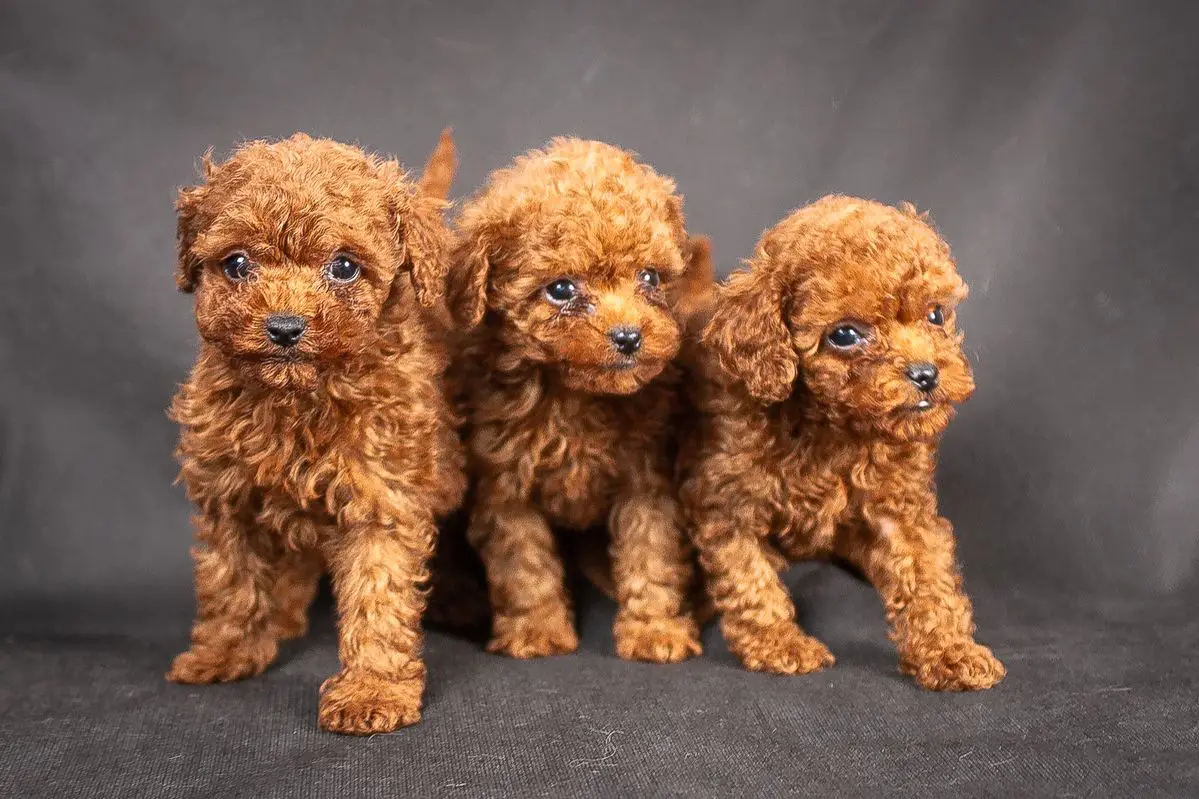
What Are Poodle Puppies Like?
Poodle puppies are curious, playful, energetic, social, and still developing. Puppy behavior should be interpreted according to developmental stage rather than treated as a fixed adult personality.
Young puppies sleep frequently and need regular opportunities for eating, elimination, play, exploration, and rest.
Early priorities include:
- House training
- Name recognition
- Safe exploration
- Appropriate chewing
- Gentle handling
- Socialization
- Grooming exposure
- Basic training
Puppies should not be expected to behave like miniature adult dogs. Their ability to concentrate, control impulses, and understand household rules develops gradually.
Poodle Puppy Development
Poodle development can be viewed broadly as a progression from early puppyhood through adolescence and eventually adulthood.
During early development, puppies learn about their surroundings and establish basic behavioral patterns. As they mature, owners can gradually introduce more structured training and increasingly complex environments.
Important developmental goals include:
- Confidence building
- House training
- Bite inhibition
- Handling tolerance
- Environmental exposure
- Leash skills
- Basic obedience
- Appropriate independence
Physical development also affects exercise. Enthusiastic puppies should not automatically be encouraged to perform excessive repetitive activity.
Poodle Socialization
Socialization helps puppies learn how to respond appropriately to people, dogs, environments, sounds, surfaces, and handling.
Useful experiences can include:
- Meeting calm people
- Seeing appropriate dogs
- Hearing household sounds
- Walking on safe surfaces
- Riding in a vehicle
- Being handled gently
- Experiencing grooming tools
- Exploring suitable environments
A practical process is:
- Introduce one manageable experience.
- Watch the puppy’s body language.
- Pair calm behavior with positive reinforcement.
- Avoid forcing interaction.
- Repeat gradually.
- Increase difficulty as confidence develops.
Good socialization should be controlled and appropriate to the puppy’s developmental stage.
Poodle Training
Poodles often respond well to training because they are intelligent and attentive to human communication.
Early training can include:
- Name recognition
- Sit
- Stay
- Come
- Leash walking
- House training
- Recall
- Handling
- Grooming cooperation
Positive reinforcement helps the dog understand which behaviors are desirable. Rewards can include food, toys, praise, play, or access to something the dog values.
Short, consistent sessions are often more useful than occasional long sessions.
Poodle Exercise
Poodle exercise needs depend on age, size, health, fitness, and individual temperament.
Suitable activities can include:
- Walking
- Fetch
- Interactive play
- Training games
- Scent activities
- Swimming when appropriate
- Canine sports
Puppies should receive age-appropriate activity rather than excessive physical exercise. Adults may tolerate longer activity when properly conditioned.
Exercise should also include opportunities to explore. A walk that allows safe sniffing and environmental investigation can provide both physical and mental engagement.
Poodle Mental Stimulation
Mental stimulation is particularly important for an intelligent breed. Physical activity alone may not provide enough cognitive engagement.
Useful activities include:
- Puzzle toys
- Scent games
- Trick training
- Obedience exercises
- Interactive feeding
- Hide-and-seek
- Problem-solving games
Mental enrichment should not mean constant activity. Dogs also need predictable rest periods.
A balanced day combines exercise, learning, social interaction, enrichment, and quiet time.
Poodle Grooming
The Poodle coat requires regular maintenance. Grooming should be considered a normal part of ownership rather than an occasional cosmetic task.
| Grooming Task | Suggested Routine |
|---|---|
| Brushing | Regularly |
| Bathing | As needed |
| Hair trimming | Regular grooming schedule |
| Nail care | Regularly |
| Ear checks | Regularly |
| Dental care | Frequent routine |
| Coat checks | Regularly |
Brushing helps prevent tangles and mats. Trimming keeps the coat manageable. Nail care, ear checks, and dental hygiene are also important components of routine care.
Owners can perform some maintenance at home, while professional grooming can help with trimming and more complex coat care.
Poodle Grooming Styles
Poodle grooming has a long historical tradition. Elaborate show styles such as the Continental clip emphasize presentation and are not required for every companion dog.
Other grooming choices include:
- Puppy clip
- Practical pet trim
- Short maintenance cut
- Modern blended trim
The best style depends on the owner’s lifestyle, coat condition, grooming preferences, and maintenance ability.
Regardless of style, the coat still needs regular care.
Grooming Poodle Puppies
Poodle puppies should gradually learn that grooming is normal and safe.
Owners can introduce:
- Gentle brushing
- Paw handling
- Ear handling
- Nail handling
- Bathing
- Standing calmly
- Familiarity with grooming equipment
Early sessions should be short and positive. Reward calm behavior and avoid turning grooming into a struggle.
A puppy that learns to cooperate with grooming is generally easier to maintain as an adult.
Poodle Nutrition
Nutrition should be appropriate for the dog’s age, size, activity level, growth stage, and individual needs.
Puppies require food suitable for growth, while adults require nutrition intended for maintenance. Portions should be monitored rather than based solely on package recommendations.
General principles include:
- Use nutritionally complete food
- Provide fresh water
- Monitor body condition
- Account for treats
- Avoid uncontrolled feeding
- Adjust portions when appropriate
- Consult a veterinarian about concerns
Food requirements vary between individuals, so generalized feeding quantities should not be treated as universal rules.
Small Size Does Not Mean Low Maintenance
Small dogs can have significant care requirements. Size alone does not determine how much training, grooming, enrichment, or social interaction a dog needs.
The Pomeranian is another example of why physical size should not be confused with maintenance level. A small companion dog can still require substantial grooming, training, enrichment, veterinary care, and daily attention.
Prospective owners should evaluate the complete lifestyle requirements of any breed.
Poodle Health and Well-Being
Responsible ownership includes preventive veterinary care and attention to changes in the dog’s condition.
General wellness includes:
- Routine veterinary examinations
- Vaccination according to veterinary guidance
- Parasite prevention
- Dental care
- Weight management
- Ear checks
- Skin and coat monitoring
- Appropriate exercise
Poodles, like many established breeds, can have inherited or breed-associated health risks. Risk varies among individuals, and a breed association does not mean that a particular dog will develop a condition.
Owners should consult a veterinarian about persistent changes in appetite, mobility, behavior, digestion, skin, breathing, or general condition.
How Long Do Poodles Live?
Poodle lifespan varies according to individual genetics, size variety, health, preventive care, nutrition, body condition, environment, and veterinary attention.
Rather than treating one number as a guarantee, owners should focus on controllable aspects of health.
Maintaining a healthy body condition, supporting dental health, providing suitable activity, using preventive veterinary care, and responding promptly to health changes can all contribute to long-term well-being.
Are Poodles Good With Children?
Poodles can be good family companions when children and dogs are taught to interact respectfully. Individual temperament is important, and supervision should always be used with younger children.
Children should learn not to:
- Pull the dog’s ears or tail
- Disturb it while sleeping
- Take food away
- Climb on it
- Force interaction
The dog should also have a quiet place where it can rest without interruption.
Poodles With Other Pets
Poodles can live successfully with other dogs and, in some homes, cats. The outcome depends on socialization, introductions, individual temperament, and household management.
A practical introduction process is:
- Prepare separate spaces.
- Begin with controlled exposure.
- Keep introductions calm.
- Monitor body language.
- Keep early interactions short.
- Gradually increase shared time.
- Continue supervision until the relationship is stable.
Food, toys, sleeping areas, and other resources may need to be managed separately during the adjustment period.
Can Poodles Live in Apartments?
Yes, Poodles can live in apartments when their physical, mental, social, and grooming needs are met. Apartment living does not automatically prevent ownership of an active breed.
Owners should provide:
- Regular walks
- Indoor enrichment
- Training
- Appropriate play
- Grooming
- Noise management
- Predictable routines
A large house does not automatically satisfy a dog’s needs either. The important factor is how consistently the household provides appropriate care.
Poodles as Family Dogs
Poodles can fit many household structures, including families, couples, singles, and some older owners.
Their intelligence and social responsiveness can make them engaging companions, but they still require time and commitment.
Family compatibility depends on:
- Daily schedule
- Exercise opportunities
- Grooming commitment
- Training
- Children’s behavior
- Other pets
- Individual temperament
No breed is automatically perfect for every household.
Poodles as Companion Dogs
Although the breed has working origins, many modern Poodles live primarily as companions.
They often enjoy being included in daily life through:
- Walks
- Training
- Interactive games
- Family activities
- Calm companionship
Poodles may form close relationships with their owners. Predictable routines and respectful communication can strengthen that relationship.
Poodles as Working and Sporting Dogs
Poodles retain abilities that make them suitable for various activities.
They may participate in:
- Obedience
- Agility
- Rally
- Retrieving
- Scent work
- Swimming
- Trick training
Their athletic ability and intelligence can make structured activities particularly rewarding.
The breed’s show-ring reputation should not obscure its history as an active working dog.
Poodles and Water
Water retrieving is an important part of Poodle history. The breed’s athletic build and working background supported activities involving water.
Some modern Poodles enjoy swimming, but individual dogs vary. Owners should never assume that every Poodle is automatically comfortable in water.
Safe water introduction involves:
- Supervision
- Shallow water initially
- A safe exit
- No forced entry
- Appropriate flotation equipment when needed
Water should be introduced positively and safely.
Poodle Daily Routine
A predictable routine can help a Poodle understand when to eat, exercise, train, play, rest, and interact with its owners.
| Time | Example Activity |
|---|---|
| Morning | Toilet break, breakfast, appropriate activity |
| Midday | Rest, enrichment, or play |
| Afternoon | Training or interactive activity |
| Evening | Walk, play, dinner, calm interaction |
This schedule is only an example. Puppies, adults, seniors, and different Poodle varieties can have different requirements.
Poodle Quick Facts
| Feature | Details |
|---|---|
| Breed | Poodle |
| Origin | Historically associated with Germany and France |
| Type | Working, sporting, and companion dog |
| Varieties | Standard, Miniature, Toy |
| Coat | Curly or corded |
| Personality | Intelligent, active, responsive |
| Energy | Moderate to high depending on individual |
| Training | Highly trainable with consistent methods |
| Grooming | Regular maintenance required |
Poodle vs Standard Poodle
Poodle refers to the breed as a whole, while Standard Poodle identifies its largest recognized size variety.
| Feature | Poodle | Standard Poodle |
|---|---|---|
| Meaning | Breed with multiple size varieties | Largest recognized size variety |
| Size | Varies by variety | Large |
| Activity | Depends on variety | Generally active |
| Training | Highly trainable | Highly trainable |
| Coat | Curly or corded | Curly or corded |
| Grooming | Regular maintenance | Regular maintenance |
| History | Working and companion roles | Strong connection to original working type |
The distinction is useful because exercise, physical management, and housing considerations can change according to size.
Poodle and Other Dog Breeds
Breed comparisons are most useful when they consider historical purpose and everyday needs rather than appearance alone. For example, a Rottweiler dog and a Poodle can both be intelligent and trainable while differing considerably in physical structure, working history, energy expression, and handling requirements.
No breed is universally better. Different dogs suit different households.
What Should You Consider Before Getting a Poodle?
Prospective owners should evaluate the full responsibility of ownership.
Consider:
- Time
- Grooming
- Exercise
- Training
- Mental stimulation
- Veterinary care
- Food
- Household compatibility
- Long-term commitment
Poodle puppies require additional patience because they are still developing basic behaviors and learning household routines.
What to Prepare for Poodle Ownership
Preparation can make the transition easier.
| Preparation Area | What to Prepare |
|---|---|
| Sleeping area | Comfortable, safe space |
| Food | Age-appropriate food |
| Grooming | Brush and basic grooming supplies |
| Training | Appropriate training tools and rewards |
| Safety | Puppy-proofed home |
| Enrichment | Toys and interactive activities |
| Walking | Suitable collar or harness and leash |
| Veterinary care | Plan for routine care |
The home should be prepared before the dog arrives, particularly when bringing home a curious puppy.
Poodle Lifestyle Compatibility
| Lifestyle | Consideration |
|---|---|
| Apartment | Exercise and enrichment remain essential |
| Family | Supervision and consistent rules matter |
| Singles | Time availability is important |
| Couples | Both people should agree on responsibilities |
| Other pets | Controlled introductions are recommended |
| Busy owners | Daily care and training require planning |
The right question is whether the household can meet the dog’s needs consistently.
Common Poodle Ownership Mistakes
Underestimating Grooming
A curly coat can become severely tangled when maintenance is neglected. Establishing a brushing and trimming routine is easier than trying to correct serious matting later.
Focusing Only on Appearance
The Poodle’s distinctive appearance can attract attention, but appearance does not determine compatibility. Exercise, grooming, training, and temperament deserve equal consideration.
Ignoring Mental Stimulation
An intelligent dog may become bored without opportunities to learn. Training games and enrichment should be part of everyday life.
Assuming Small Means Low Energy
Smaller Poodles can still be active and mentally demanding. Their reduced size does not eliminate the need for engagement.
Skipping Socialization
Puppies need carefully managed exposure to appropriate experiences. Socialization should be gradual and positive.
Overfeeding
Excess food and treats can contribute to unhealthy weight gain. Body condition should be monitored regularly.
Neglecting Dental Care
Dental hygiene is an important part of general canine health and should be included in the normal care routine.
Poodle Behavior and Body Language
Understanding body language can help owners recognize how their dogs are responding.
A relaxed dog may show loose posture and natural movement. An alert dog may become still, orient toward a sound, or change its ear position.
Potential signs of discomfort can include:
- Avoidance
- Turning away
- Tension
- Repeated attempts to leave
- Lip licking
- Changes in posture
- Overstimulation
Body language must be interpreted in context. A single behavior does not necessarily identify a specific emotional state.
Poodle Communication and Bonding
Dogs communicate through movement, posture, facial expressions, vocalizations, and responses to people.
Owners can strengthen relationships through:
- Predictable routines
- Clear cues
- Positive reinforcement
- Calm handling
- Respect for rest
- Consistent boundaries
Trust develops through repeated positive interactions rather than one isolated activity.
Poodle Training by Life Stage
| Life Stage | Training Focus |
|---|---|
| Early puppyhood | Name recognition, handling, house training |
| Growing puppy | Basic obedience, leash skills, socialization |
| Adolescence | Consistency, impulse control, reinforcement |
| Adult | Advanced skills, enrichment, continued learning |
| Senior | Maintenance, comfort, appropriate mental activity |
Development varies between individual dogs, so training should progress according to ability and comfort.
Poodle Nutrition and Body Condition
Food portions should be evaluated alongside body condition. Dogs can have different energy requirements even when they are the same size.
Owners should monitor:
- Weight trends
- Body shape
- Appetite
- Treat intake
- Growth
- Activity
Veterinary guidance is appropriate when there are concerns about weight, growth, digestion, or dietary needs.
Poodle Health: Responsible Ownership
Preventive care is central to responsible ownership.
A sensible approach includes:
- Routine veterinary examinations
- Recommended vaccinations
- Parasite prevention
- Dental care
- Weight management
- Skin monitoring
- Ear checks
- Appropriate exercise
Persistent changes in appetite, mobility, behavior, digestion, breathing, or general condition should be discussed with a veterinarian.
Appearance and Breed Perception
People naturally notice appearance when choosing a dog breed, but visual appeal does not reveal the complete demands of ownership. The phrase Akita dog cute, for example, describes an appearance-based reaction rather than temperament, exercise needs, or lifestyle compatibility.
Poodles create a similar situation. Their famous coat can attract immediate attention, but prospective owners should look beyond appearance and consider the dog’s daily requirements.
Poodles and Travel
Travel requires preparation because unfamiliar places can disrupt routine.
Owners should consider:
- Safe vehicle restraint
- Familiar bedding
- Water
- Breaks
- Feeding schedules
- Temperature management
- Stress signals
- Applicable transportation requirements
Dogs should never be left unattended in dangerous temperatures.
Poodle and First-Time Owners
Poodles can potentially suit first-time owners because their intelligence and trainability can make basic training rewarding. However, first-time owners should understand the grooming and mental stimulation requirements.
Learning about positive reinforcement, socialization, canine communication, grooming, nutrition, and preventive care can make the transition easier.
Being a first-time owner is not automatically a disadvantage when someone is prepared to learn and seek professional guidance when needed.
Poodle and Senior Owners
Some older owners may find a suitable Poodle rewarding, but physical management and grooming should be considered carefully.
Important factors include:
- Dog size
- Energy
- Walking ability
- Grooming arrangements
- Household support
- Ability to handle the dog safely
The appropriate choice depends on the individual’s practical circumstances rather than age alone.
Poodles and Cats
Poodles and cats can sometimes coexist successfully.
A cat should have access to safe areas, while the dog should be prevented from repeatedly chasing or overwhelming it.
Introductions should be gradual, supervised, and based on calm behavior rather than forced interaction.
Poodle Home Safety
Puppies are particularly likely to investigate household objects.
Owners should secure:
- Electrical cords
- Cleaning chemicals
- Human food
- Small objects
- Unsafe plants
- Open doors
- Balconies
- Dangerous household items
Puppy-proofing should be reviewed as the dog grows because new behaviors and physical abilities can create new risks.
Poodle Grooming Training
Grooming cooperation can be taught gradually.
A simple progression is:
- Touch paws briefly.
- Reward calm behavior.
- Introduce the brush.
- Handle ears gently.
- Practice standing calmly.
- Introduce grooming sounds at low intensity.
- Increase duration gradually.
The objective is to make routine care predictable and positive.
Climate and Breed Suitability
Climate can affect how owners manage dogs. Heat, humidity, coat maintenance, exercise timing, hydration, and access to shade all deserve consideration.
Someone considering a Cane Corso UAE lifestyle, for example, should evaluate how climate and daily routine affect the breed’s needs. The same principle applies to Poodles.
In warm conditions, owners should avoid excessive heat exposure and schedule outdoor activities carefully. Coat maintenance also deserves attention because a dense coat can become uncomfortable when poorly maintained.
Poodle Owner Checklist
| Consideration | Why It Matters |
|---|---|
| Lifestyle | Determines breed compatibility |
| Time | Poodles need daily attention |
| Grooming | Coat maintenance is ongoing |
| Training | Intelligence benefits from structure |
| Exercise | Physical activity supports well-being |
| Enrichment | Mental stimulation is important |
| Budget | Ownership has ongoing costs |
| Home | Environment should be suitable |
| Socialization | Helps puppies learn appropriate behavior |
| Long-term commitment | Dogs require sustained responsibility |
Is a Poodle Right for You?
| Buyer Consideration | Good Sign | Potential Challenge |
|---|---|---|
| Time | You can provide daily attention | Long work hours require planning |
| Training | You enjoy consistent training | Intelligent dogs can become bored |
| Exercise | You can provide regular activity | Sedentary routines may not fit |
| Grooming | You accept regular maintenance | Coat care requires commitment |
| Budget | You can handle ongoing costs | Grooming and care add expenses |
| Commitment | You are prepared for long-term ownership | Impulsive ownership can become difficult |
The best decision depends on whether the breed’s needs fit the owner’s actual lifestyle.
Frequently Asked Questions About Poodles
What Is a Poodle?
A Poodle is an intelligent, athletic dog breed with a curly or corded coat and three commonly recognized size varieties: Standard, Miniature, and Toy. Its history includes water retrieving and close cooperation with people.
Where Did the Poodle Originate?
The breed has strong historical associations with Germany and France. Germany is closely linked with its early water-retrieving history, while France played a major role in its later development and popularity.
What Was the Poodle Originally Bred For?
The Poodle was historically bred for retrieving, particularly in water. Its athleticism, intelligence, swimming ability, and responsiveness made it useful for hunting-related work.
What Are the Three Poodle Varieties?
The three commonly recognized varieties are Standard, Miniature, and Toy. They share important breed characteristics but differ in size and practical handling requirements.
What Is a Standard Poodle?
A Standard Poodle is the largest recognized variety. It is an athletic, intelligent, highly trainable dog with a curly coat and strong historical connections to the breed’s original working role.
What Is a Standard Poodle Dog Like?
A Standard Poodle dog is generally athletic, responsive, intelligent, and socially engaged. It typically benefits from regular exercise, mental stimulation, training, grooming, and human interaction.
Are Poodles Intelligent?
Yes. Poodles are widely recognized for strong learning ability, problem-solving, memory, pattern recognition, and responsiveness to human cues. Their intelligence makes enrichment especially important.
Are Poodles Easy to Train?
Poodles are often highly trainable because they learn quickly and respond well to clear, reward-based communication. They still require consistency, patience, and regular practice.
What Are Poodle Puppies Like?
Poodle puppies are curious, playful, social, and still developing. They need sleep, appropriate nutrition, safe exploration, socialization, house training, grooming exposure, and gentle foundational training.
Are Poodles Good Family Dogs?
Poodles can be excellent family companions when their exercise, grooming, training, and social needs are met. Individual temperament and appropriate supervision remain important.
Are Poodles Good With Children?
They can be, particularly when properly socialized and trained. Children should learn respectful handling and should be supervised around dogs.
Can Poodles Live in Apartments?
Yes. Poodles can adapt to apartment living when owners provide appropriate exercise, enrichment, training, grooming, and social interaction.
Do Poodles Shed?
Poodles are generally low-shedding, but they are not completely free of loose hair. Their coat can retain loose hairs, which contributes to the breed’s low-shedding reputation.
How Often Does a Poodle Need Grooming?
Poodles need regular brushing and trimming. The exact schedule depends on coat length, texture, lifestyle, and grooming style.
How Much Exercise Does a Poodle Need?
Exercise needs vary according to age, size, health, fitness, and temperament. Regular walking, play, training, and suitable enrichment are generally important.
What Should Poodle Puppies Eat?
Poodle puppies should receive complete nutrition appropriate for growth and their individual requirements. Feeding should be monitored according to development and body condition.
How Should Poodle Puppies Be Socialized?
They should gradually experience appropriate people, dogs, environments, sounds, surfaces, handling, and travel. Experiences should be positive and suitable for the puppy’s developmental stage.
Are Poodles Good With Other Pets?
They can coexist with other dogs and, in some homes, cats. Controlled introductions, supervision, socialization, and resource management are important.
How Long Do Poodles Typically Live?
Lifespan varies by individual and size variety. Genetics, preventive care, nutrition, body condition, exercise, and environment can all influence longevity.
Are Poodles Suitable for First-Time Owners?
They can be suitable for prepared first-time owners. Their trainability can help, but grooming, exercise, enrichment, and ongoing learning remain important responsibilities.
Do Standard Poodles Need More Exercise Than Smaller Varieties?
Standard Poodles may require more physical management because of their size, but exercise needs vary individually. Smaller varieties can also be energetic and mentally demanding.
Why Is Mental Stimulation Important for Poodles?
Mental stimulation provides opportunities to learn, solve problems, and interact with the environment. Training, puzzles, scent activities, and interactive games can complement physical exercise.
Do Poodles Need Professional Grooming?
Many owners benefit from professional grooming because the coat grows continuously and can become difficult to maintain. Owners should still learn basic brushing and coat care.
Can Poodles Swim?
Some Poodles enjoy swimming, and the breed has a strong historical relationship with water. However, individual dogs differ, and swimming should always be supervised.
Are Poodles Sensitive Dogs?
Many Poodles can be sensitive to harsh handling and environmental changes, although individual temperament varies. Calm, consistent, reward-based training is generally appropriate.
Why Do Poodles Need So Much Grooming?
Their dense, continuously growing coat can develop tangles and mats. Regular brushing and trimming help keep the coat manageable and comfortable.
Are Poodles Athletic?
Yes. Poodles have a working history involving retrieving and water activity. Many modern individuals enjoy walking, retrieving, swimming, agility, obedience, and other sports.
Do Poodle Puppies Need Grooming Training?
Yes. Early positive exposure to brushing, paw handling, ear checks, nail care, bathing, and grooming sounds can make future maintenance easier.
Can a Standard Poodle Be a Good Apartment Dog?
Yes. A Standard Poodle can live in an apartment if its exercise, enrichment, training, grooming, and social needs are consistently met.
What Is the Most Important Thing to Know Before Getting a Poodle?
The most important point is that the breed’s elegant appearance is only one part of ownership. Poodles require ongoing grooming, training, exercise, mental stimulation, preventive care, social interaction, and long-term commitment.
Understanding the Poodle means looking beyond its famous coat and elegant presentation. The breed combines a history of water retrieving and human cooperation with modern roles as a companion, sporting dog, and family dog. Poodle puppies need patient socialization and foundational training, while adults continue to benefit from structured activity, mental stimulation, grooming, and meaningful interaction. Standard, Miniature, and Toy Poodles can fit different lifestyles, but none should be chosen on appearance alone. The most responsible approach is to understand the breed’s history, individual variation, daily requirements, and long-term responsibilities before deciding whether a Poodle is the right companion for a particular home.