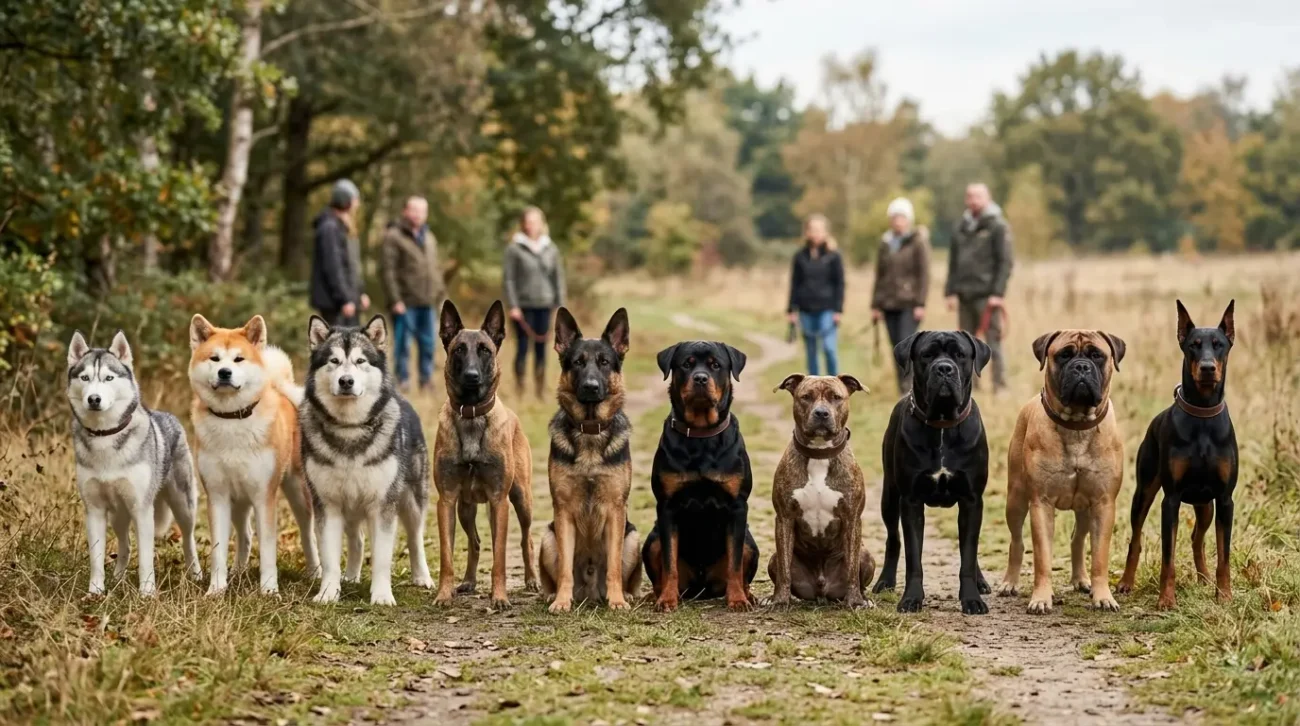


Japanese Dog Breeds are known for their distinctive appearance, loyalty, intelligence, and strong individual personalities, while the Most Popular Japanese Dog Breeds can have very different temperaments depending on genetics, socialization, training, environment, and handling. For families in the UAE considering a Japanese dog, understanding behavior is just as important as appearance or popularity. A dog that appears calm may become fearful in unfamiliar situations, while an energetic or independent breed can become easier to manage with appropriate training and early socialization.
Japan has developed a fascinating variety of native dog breeds, from compact companion dogs to powerful working breeds. Some were historically used for hunting, guarding, or other demanding tasks, which can influence traits such as independence, alertness, prey drive, and territorial behavior. However, breed alone does not determine whether an individual dog will become aggressive.
For UAE families, this distinction is especially important. Hot weather, apartment living, visitors, children, other pets, busy streets, and unfamiliar environments can all influence a dog’s stress levels. Choosing a puppy should therefore involve looking beyond looks and asking whether the breed’s exercise requirements, temperament, training needs, and environmental sensitivity match your lifestyle.
Japanese Dog Breeds and Canine Aggression: What Owners Should Understand
When discussing Japanese Dog Breeds, aggression should not be treated as a simple characteristic attached to an entire breed. Canine aggression is a behavior, and behavior develops through a combination of genetics, learning, experiences, health, environment, and management.
A dog may growl, bark, freeze, snap, or bite because it feels threatened, wants distance, is protecting something valuable, or has learned that aggressive behavior successfully makes an uncomfortable situation disappear.
The most common factors that can contribute to aggressive behavior include:
- Fear and anxiety
- Territorial behavior
- Resource guarding
- Poor early socialization
- Genetic predispositions
- Inconsistent or inappropriate training
- Pain or underlying health problems
- Environmental stress
- Lack of exercise or mental stimulation
- Previous negative experiences
Understanding these factors gives owners a much more accurate picture than simply labeling a dog as “aggressive.”
Most Popular Japanese Dog Breeds and Fear-Based Aggression
Among the Most Popular Japanese Dog Breeds, several may be independent, alert, reserved, or cautious around unfamiliar people. Those characteristics are not automatically aggression. However, fear can sometimes develop into defensive aggression when a dog believes it cannot safely escape a situation.
A fearful puppy might initially hide behind its owner. If its warning signals are repeatedly ignored, it may eventually growl, snap, or bite to create distance.
Common signs of fear include:
- Lowered body posture
- Tail tucked between the legs
- Avoiding eye contact
- Lip licking
- Yawning in stressful situations
- Ears held back
- Trembling
- Hiding
- Growling when approached
- Attempting to escape
Owners should avoid punishing fear-based behavior. Punishment can increase anxiety and potentially suppress warning signals without solving the underlying problem.
How UAE Owners Can Reduce Fear
A puppy living in the UAE may encounter elevators, apartment corridors, delivery workers, cars, children, visitors, grooming salons, veterinary clinics, and other dogs. Gradual exposure to these experiences can help a puppy develop confidence.
Socialization should be controlled and positive rather than overwhelming. The goal is not to force a puppy to interact with everyone. Instead, the puppy should learn that unfamiliar people, sounds, places, surfaces, and situations can be safe.
Japanese Dog Breeds and Territorial Behavior
Territorial behavior is another important subject when evaluating Japanese Dog Breeds. Dogs naturally pay attention to changes around their homes, and some individuals may be more alert to unfamiliar people or animals.
Territorial behavior can become problematic when a dog reacts excessively to:
- Guests entering the home
- People walking past the front door
- Other dogs near the property
- Delivery workers
- Sounds in apartment hallways
- Visitors approaching the owner
- People entering areas the dog considers its territory
A dog barking when someone arrives does not necessarily mean it is aggressive. Context matters. Owners should observe body language, intensity, recovery time, and whether the dog can respond to cues.
For apartment owners in Dubai, Abu Dhabi, Sharjah, and other UAE locations, teaching a dog a reliable “place,” “stay,” and recall cue can make visitors considerably easier to manage.
Most Popular Japanese Dog Breeds and Resource Guarding
Resource guarding can appear in some Most Popular Japanese Dog Breeds, just as it can appear in dogs from many other breeds.
Resource guarding happens when a dog becomes protective of something it considers valuable.
Potential resources include:
- Food
- Treats
- Toys
- Beds
- Crates
- Chews
- A favorite person
- Specific locations
A dog that freezes when someone approaches its food bowl may be communicating discomfort. If the warning is ignored, the behavior can escalate.
What Should Owners Do?
Avoid repeatedly taking food away from a guarding dog simply to “teach it a lesson.” Instead, behavior modification should focus on changing the dog’s emotional response to a person’s approach.
For serious guarding, particularly when snapping or biting has occurred, owners should work with a qualified veterinary behavior professional or experienced positive-reinforcement trainer.
Japanese Dog Breeds: Genetics, Temperament, and Individual Personality
When evaluating Japanese Dog Breeds, genetics matter, but genetics should never be interpreted as destiny.
A breed may have been historically selected for hunting, guarding, companionship, or other work. Those historical roles can influence tendencies such as alertness, independence, persistence, or prey drive. Yet two puppies from the same litter can still develop noticeably different personalities.
Responsible puppy selection should therefore consider:
| Factor | Why It Matters |
| Parent temperament | Can provide useful clues about inherited behavioral tendencies |
| Early socialization | Helps puppies develop confidence around new experiences |
| Breeder practices | Responsible breeding can support physical and behavioral health |
| Puppy personality | Individual temperament varies even within one litter |
| Training | Teaches appropriate responses to everyday situations |
| Environment | Stress and routine can influence behavior |
| Health | Pain and illness can contribute to behavioral changes |
This is why responsible breeders and reputable sellers should discuss temperament rather than promising that every puppy will behave identically.
10 Japanese Dog Breeds to Know
The following list includes ten recognized Japanese breeds with different histories, sizes, appearances, and behavioral characteristics. The order should not be interpreted as a ranking of friendliness or aggression.
| Breed | Typical Size | Historical Role | General Characteristics |
| Shiba Inu | Small-Medium | Hunting | Independent, alert, energetic |
| Akita Inu | Large | Hunting & guarding | Loyal, dignified, independent |
| Japanese Spitz | Small-Medium | Companion | Playful, social, alert |
| Shikoku | Medium | Hunting | Energetic, intelligent, independent |
| Kishu Ken | Medium | Hunting | Alert, loyal, athletic |
| Hokkaido | Medium | Hunting & working | Courageous, attentive, active |
| Kai Ken | Medium | Hunting | Intelligent, agile, devoted |
| Japanese Chin | Small | Companion | Affectionate, adaptable, sensitive |
| Tosa Inu | Large | Traditional fighting/working history | Powerful, strong-willed, requires experienced handling |
| Japanese Terrier | Small | Companion & vermin control | Active, alert, affectionate |
Individual temperament can vary substantially, so prospective owners should evaluate the specific puppy and its parents rather than relying solely on breed labels.
Shiba Inu: One of the Most Popular Japanese Dog Breeds
The Shiba Inu is one of the best-known Most Popular Japanese Dog Breeds internationally. Its compact body, fox-like face, curled tail, and independent personality have contributed to its popularity.
Shiba Inus can be intelligent and confident, but they may also be independent and less naturally eager to obey repetitive commands than some highly biddable breeds.
Behavior and Aggression Considerations
A Shiba Inu that has not been properly socialized may become uncomfortable with unfamiliar dogs, people, handling, or specific situations. Resource guarding and fear-based reactions can also occur in individual dogs.
Early positive training is particularly valuable.
Owners should work on:
- Reliable recall
- Loose-leash walking
- Handling tolerance
- Calm greetings
- Impulse control
- Positive exposure to different environments
In the UAE, owners should also plan outdoor activity around cooler parts of the day because Shiba Inus still require appropriate exercise despite their manageable size.
Akita Inu: Japanese Dog Breeds With Strong Personalities
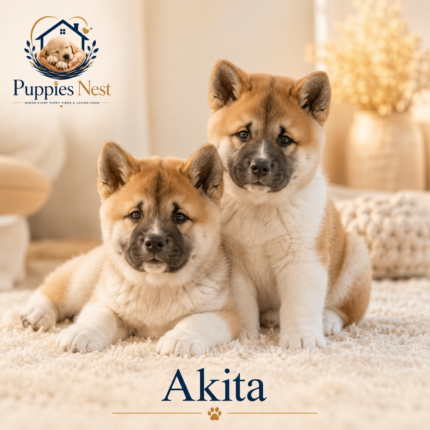
The Akita Dog is a large Japanese breed traditionally associated with hunting and guarding. Among Japanese Dog Breeds, it is notable for its imposing presence, loyalty, independence, and powerful physical build.
An Akita Inu is not necessarily aggressive, but its size and strength mean that owners must take training and socialization seriously.
Aggression Prevention for Akita Inu Owners
Potential challenges can include territorial reactions, dog-to-dog tension, or discomfort with unfamiliar handling. These behaviors should be managed through appropriate socialization, predictable routines, supervision, and reward-based training.
The combination of a large body and strong personality means that inexperienced owners may find an Akita more challenging than a small companion breed.
In a UAE household, owners should also consider whether their home provides adequate space, climate control, exercise opportunities, and professional training support.
Japanese Spitz: A Social Companion Among Japanese Dog Breeds
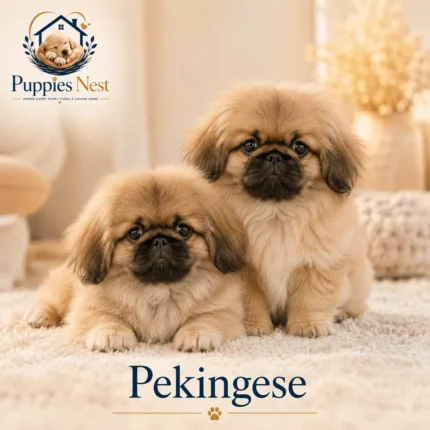
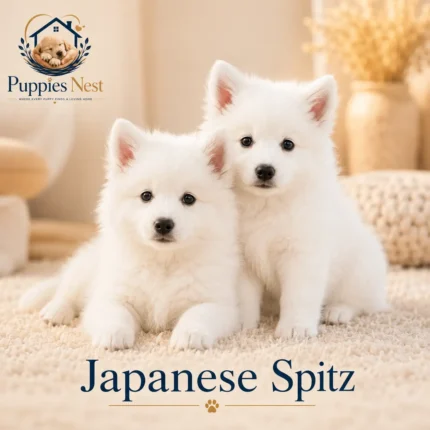
The Japanese Spitz is a companion-oriented breed recognized for its white coat, lively expression, and playful personality. As one of the more approachable Japanese Dog Breeds for many families, it can suit owners looking for a smaller companion with an active personality.
However, even social dogs can develop barking, fear, or defensive behavior if they receive insufficient socialization.
Because the breed can be alert to changes around the home, owners should teach calm responses to visitors instead of encouraging excessive barking.
Regular brushing is also important because the breed’s white double coat requires grooming and maintenance.
Shikoku: Active Japanese Dog Breeds for Experienced Owners
The Shikoku is an athletic Japanese hunting breed. Among Japanese Dog Breeds, it may be better suited to owners who enjoy active lifestyles and can provide consistent training.
Its historical working background means prospective owners should not assume that a medium-sized dog automatically requires little exercise.
A bored or under-stimulated dog may develop unwanted behaviors such as:
- Excessive barking
- Chewing
- Digging
- Chasing
- Hyperactivity
- Frustration-related reactions
Mental stimulation is therefore as important as physical activity.
In the UAE, exercise should be carefully scheduled during cooler hours, with access to water and protection from extreme heat.
Kishu Ken: Japanese Dog Breeds With Hunting Heritage
The Kishu Ken is another Japanese breed with a hunting background. When considering Japanese Dog Breeds, its athleticism and alert nature are important factors for potential owners.
Hunting heritage does not automatically mean aggression toward people. Instead, owners should understand that prey drive and responsiveness to movement can influence how a dog behaves around smaller animals.
Early socialization and appropriate management can help owners establish safe routines.
A Kishu Ken may be a better match for someone who enjoys training, outdoor activity, and structured interaction rather than someone looking for a completely low-energy companion.
Hokkaido: Confident Japanese Dog Breeds With Working History
The Hokkaido is a medium-sized Japanese breed historically developed for demanding environments. Among Japanese Dog Breeds, it is recognized for its athletic build and working heritage.
Its behavior should be evaluated individually, but owners should be prepared for an intelligent dog that benefits from structure and mental stimulation.
Positive reinforcement can help build reliable behavior without creating unnecessary conflict.
Owners should also understand the importance of managing environmental stress. A dog living in a busy household may need a quiet area where it can rest without constant interaction.
Kai Ken: Intelligent Japanese Dog Breeds With High Activity Needs
The Kai Ken is a distinctive Japanese breed with a brindle coat and strong hunting heritage. For people researching Japanese Dog Breeds, the Kai Ken can be an interesting choice for an active household.
Its intelligence can make training rewarding, but intelligent dogs may also become creative when they are bored.
Owners should provide:
- Daily physical activity
- Puzzle toys
- Basic obedience training
- Scent-based activities
- Controlled socialization
- Appropriate rest periods
As with other Japanese hunting breeds, owners should understand how prey drive can affect interactions with smaller animals.
Dogs Store Online: What to Check Before Buying
When using a Dogs Store Online, buyers should look for clear information rather than vague marketing claims.
A trustworthy online puppy store should make it easy for prospective owners to understand the puppy’s basic information and ask questions before making a decision.
Useful signs include:
- Clear puppy descriptions
- Transparent communication
- Available health information
- Clear photographs
- Age information
- Breed information
- Appropriate purchasing procedures
- Customer support
- Post-purchase guidance
Puppies Nest can be considered by UAE buyers looking for an online source for puppies and dogs, but prospective owners should still evaluate each puppy individually and ask appropriate questions before purchasing.
Japanese Chin: A Smaller Companion Among Japanese Dog Breeds
The Japanese Chin is very different from the larger Japanese working breeds. It is a small companion dog with a history closely associated with human companionship.
For people exploring Japanese Dog Breeds for an indoor lifestyle, the Japanese Chin may be worth considering because of its compact size and companion-oriented nature.
Nevertheless, small size does not eliminate behavioral concerns. A small dog can still become fearful, territorial, or defensive.
Owners should avoid allowing small dogs to repeatedly escape situations through barking or snapping simply because their physical size makes them easier to control.
Gentle handling, positive socialization, and appropriate boundaries remain important.
Tosa Inu: Japanese Dog Breeds Requiring Experienced Handling
The Tosa Inu requires particularly careful consideration when discussing Japanese Dog Breeds. It is a large, powerful breed with a historical background involving traditional dog fighting and working roles.
Its history should not be used to claim that every Tosa Inu is aggressive. However, its physical power means that behavioral management cannot be taken lightly.
Potential owners should have experience handling large, strong dogs and should prioritize:
- Early socialization
- Professional training
- Secure containment
- Reliable obedience
- Controlled interactions
- Responsible supervision
- Understanding of local regulations
Anyone considering a Tosa Inu in the UAE should verify current local and community-specific rules before acquiring one.
Small Dogs Breeds for UAE Families
Families researching Small Dogs Breeds often focus on apartment suitability, grooming, exercise, and appearance. Japanese options such as the Japanese Chin, Japanese Terrier, and Japanese Spitz can be considered depending on the family’s lifestyle.
However, small dogs still require proper socialization and training. An apartment dog that repeatedly barks at hallway sounds may create problems even if it weighs only a few kilograms.
The best small breed is therefore not simply the smallest option. It is the dog whose energy, temperament, grooming needs, and training requirements fit the household.
Japanese Terrier: Small Japanese Dog Breeds With Energy
The Japanese Terrier is a small breed that can be lively, alert, and affectionate. Its compact size may appeal to people searching among Japanese Dog Breeds for a smaller active companion.
However, terrier characteristics can include curiosity, energy, and responsiveness to movement.
Structured play, training, and appropriate mental stimulation can help prevent boredom-related behaviors.
The key lesson is that size does not determine temperament. A small dog still needs training, boundaries, and socialization.
Japanese Dog Breeds and Socialization in the UAE
Proper socialization is one of the strongest tools for preventing fear-related problems in Japanese Dog Breeds.
Socialization should begin early and continue throughout development. It should involve safe exposure to different experiences without overwhelming the puppy.
A UAE socialization checklist can include:
| Experience | Example |
| People | Adults, calm visitors, people wearing different clothing |
| Sounds | Traffic, elevators, household appliances |
| Surfaces | Tile, carpet, grass, safe outdoor surfaces |
| Locations | Home, veterinary clinic, quiet outdoor areas |
| Handling | Ears, paws, brushing, gentle examination |
| Dogs | Carefully selected healthy, vaccinated dogs |
| Transportation | Short, positive car journeys |
| Home routines | Visitors, deliveries, household activity |
Socialization should always prioritize safety and positive associations.

Most Popular Japanese Dog Breeds and Training Methods
Training plays a major role in shaping behavior among the Most Popular Japanese Dog Breeds.
Reward-based training can teach dogs what behavior produces desirable outcomes. This approach is particularly useful for building reliable responses without relying on intimidation.
Useful skills include:
- Sit
- Down
- Stay
- Leave it
- Drop it
- Recall
- Place
- Loose-leash walking
- Calm greetings
- Cooperative handling
Training sessions should be short, consistent, and appropriate for the dog’s age and attention span.
Independent breeds may require patience because they may not respond to repetitive drills in the same way as highly biddable breeds.
Dogs for Sale in UAE price: What Should Buyers Consider?
When researching Dogs for Sale in UAE price, buyers should avoid making the purchase decision based solely on the cheapest available puppy.
The total cost of responsible ownership can include:
| Expense | Examples |
| Initial purchase | Puppy acquisition cost |
| Veterinary care | Examinations and preventive healthcare |
| Vaccinations | Age-appropriate veterinary schedule |
| Food | Quality nutrition |
| Grooming | Professional or home grooming |
| Training | Puppy classes or professional sessions |
| Accessories | Bed, crate, leash, bowls, toys |
| Transportation | Safe travel equipment |
| Emergency care | Unexpected veterinary expenses |
The puppy’s source, health documentation, age, vaccination status, pedigree documentation when relevant, and breeder or seller transparency can all affect value.
Cute Dogs for Sale and Responsible Puppy Selection
Searching for Cute Dogs for Sale is understandable because appearance is often the first thing that attracts a future owner. But a cute face should be the beginning of the decision-making process, not the end.
Before choosing a puppy, consider whether its expected adult size, energy level, grooming needs, temperament, and training requirements fit your home.
A puppy that looks perfect in a photograph may still require significant time and commitment.
Responsible puppy selection should combine appearance with:
- Health information
- Temperament
- Lifestyle compatibility
- Expected adult size
- Exercise requirements
- Grooming needs
- Training requirements
- Long-term ownership costs
Japanese Dog Breeds: Exercise and Heat Management in the UAE
The UAE climate creates an important consideration for Japanese Dog Breeds. Dogs that require regular activity still need exercise, but summer heat can make outdoor activity dangerous if poorly managed.
Owners should generally avoid strenuous exercise during the hottest parts of the day and monitor their dogs carefully.
Heat-management practices can include:
- Walking during cooler hours
- Providing constant access to fresh water
- Using air-conditioned indoor spaces
- Avoiding hot pavement
- Watching for signs of overheating
- Providing appropriate indoor enrichment
- Adjusting exercise intensity during extreme weather
Working and hunting breeds may require creative indoor activities when outdoor conditions are unsuitable.
Most Popular Japanese Dog Breeds: Which Dogs Need Experienced Owners?
Not every Most Popular Japanese Dog Breeds option has the same handling requirements.
A useful way to compare breeds is to look at the combination of size, independence, exercise requirements, and potential management challenges.
| Breed | Activity Needs | Independence | Handling Consideration |
| Japanese Chin | Low-Moderate | Moderate | Suitable for many companion homes |
| Japanese Spitz | Moderate | Moderate | Socialization and grooming needed |
| Japanese Terrier | Moderate-High | Moderate | Active training recommended |
| Shiba Inu | Moderate-High | High | Best with consistent training |
| Kai Ken | High | Moderate-High | Active, experienced home beneficial |
| Shikoku | High | High | Training and exercise important |
| Kishu Ken | High | Moderate-High | Good management required |
| Hokkaido | High | Moderate | Structured activity beneficial |
| Akita Inu | Moderate-High | High | Experienced handling recommended |
| Tosa Inu | Moderate | High | Experienced handling strongly recommended |
This table describes management considerations rather than labeling any breed as inherently aggressive.
Japanese Dog Breeds and Children
Families considering Japanese Dog Breeds should focus on the individual dog’s temperament and the children’s behavior around animals.
Children should be taught not to:
- Pull a dog’s ears or tail
- Disturb a sleeping dog
- Take food away
- Climb on the dog
- Hug a dog that dislikes restraint
- Chase a dog
- Enter a crate when the dog is resting
- Continue interacting when the dog is showing discomfort
Even a friendly dog should not be left unsupervised with young children.
A safe relationship between children and dogs depends on supervision, education, boundaries, and the individual dog’s temperament.
Most Popular Japanese Dog Breeds: Warning Signs to Take Seriously
Owners of the Most Popular Japanese Dog Breeds should learn to recognize early warning signs before a situation escalates.
Possible warning signals include:
- Sudden freezing
- Hard staring
- Repeated avoidance
- Growling
- Snapping
- Raised hackles
- Lip lifting
- Blocking access to resources
- Lunging
- Repeated attempts to escape
A growl should not simply be punished. It is valuable communication that indicates the dog is uncomfortable.
If aggression appears suddenly in a previously stable dog, veterinary evaluation can be appropriate because pain or illness may contribute to behavioral changes.
Dogs for Sale Dubai: Choosing a Puppy Responsibly
People searching for Dogs for Sale Dubai should look beyond attractive photographs. A responsible buyer should ask questions about the puppy’s background, health, behavior, socialization, and care.
Before purchasing, consider asking:
- How old is the puppy?
- What veterinary records are available?
- What vaccinations have been given?
- Has the puppy been dewormed according to veterinary guidance?
- What is known about the parents?
- Has the puppy been exposed to people and household sounds?
- What food is the puppy currently eating?
- Has the puppy shown any unusual fear or behavioral concerns?
- What support is available after purchase?
- What documentation accompanies the puppy?
Transparency is particularly important when buying a dog online.
Japanese Dog Breeds: A Practical Puppy-Buying Checklist
Before choosing among Japanese Dog Breeds, use this checklist:
| Question | Yes/No |
| Have I researched the breed’s adult size? | – |
| Can I meet its exercise needs? | – |
| Can I provide proper air conditioning and heat management? | – |
| Have I considered grooming requirements? | – |
| Do I have enough time for training? | – |
| Have I asked about health records? | – |
| Have I considered the parents’ temperament? | – |
| Can I safely manage the dog’s adult strength? | – |
| Have I checked applicable UAE regulations? | – |
| Am I prepared for long-term ownership costs? | – |
This approach helps buyers make a decision based on compatibility rather than appearance alone.
FAQ About Japanese Dog Breeds
What are the most popular Japanese dog breeds?
The Most Popular Japanese Dog Breeds commonly discussed internationally include the Shiba Inu, Akita Inu, Japanese Spitz, Japanese Chin, Shikoku, Kishu Ken, Kai Ken, Hokkaido, Japanese Terrier, and Tosa Inu. Popularity varies by country and should not be confused with temperament or suitability for every household.
Are Japanese Dog Breeds aggressive?
Japanese Dog Breeds are not automatically aggressive. Individual behavior can be influenced by genetics, socialization, training, fear, territorial behavior, resource guarding, health, and environment. Some breeds may require more experienced handling because of their size, independence, or historical working roles.
Which Japanese dog is best for a family?
There is no single best Japanese dog for every family. A household should consider the dog’s size, energy level, grooming requirements, independence, socialization needs, and the experience of the owners.
Is a Shiba Inu suitable for UAE apartments?
A Shiba Inu can potentially live in an apartment when its exercise, enrichment, training, and climate-control needs are properly managed. Outdoor exercise should be scheduled carefully around UAE temperatures.
Do Japanese dogs need a lot of exercise?
Exercise needs vary considerably. Hunting and working breeds such as the Shikoku, Kai Ken, Kishu Ken, and Hokkaido can require more activity than companion breeds such as the Japanese Chin.
Can socialization prevent aggression?
Early and appropriate socialization can reduce the risk of fear and inappropriate reactions, but it cannot guarantee that a dog will never display aggression. Genetics, health, learning history, environment, and individual temperament also matter.
Are Akita Inu dogs aggressive?
An Akita Inu should not be described as inherently aggressive. However, its large size, strength, independence, and potential for territorial or dog-to-dog challenges mean that responsible training and experienced management are particularly important.
Is Tosa Inu suitable for first-time owners?
The Tosa Inu can present significant management challenges because of its size, strength, and behavioral requirements. It is generally more appropriate for experienced owners who understand large powerful dogs and can provide responsible training and management. Local UAE rules should also be checked before acquisition.
Explore available puppies and dogs with Puppies Nest and find a companion that fits your UAE lifestyle. Ask about the puppy’s available information, care requirements, and suitability for your household before making your purchase decision.