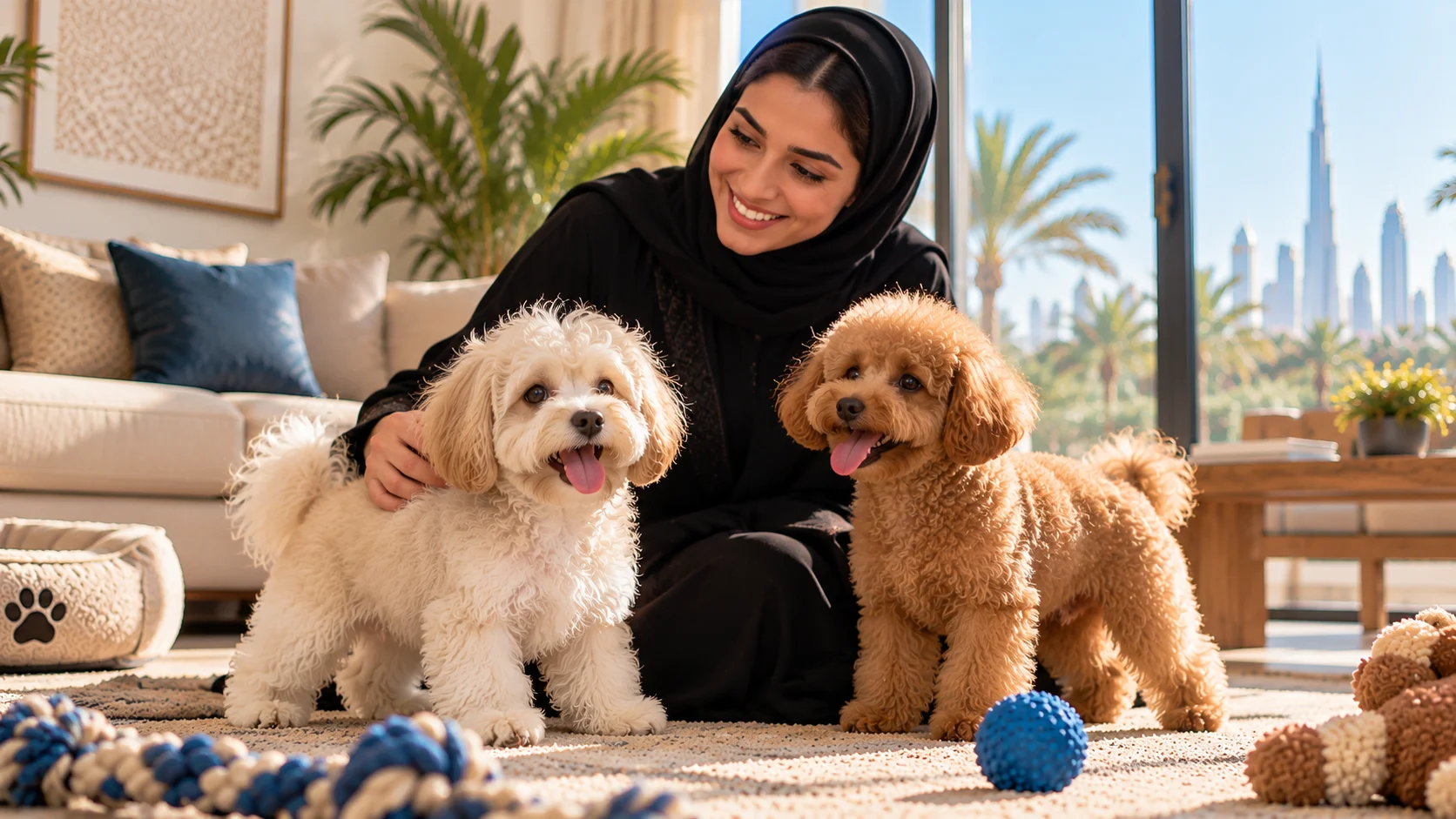

Choosing between a Maltipoo vs Toy Poodle can be difficult because both dogs are small, intelligent, fluffy, and popular with families looking for indoor companions. However, there is a difference: a Maltipoo is a cross between a Maltese and a Poodle, while a Toy Poodle is a recognized Poodle variety with more predictable breed characteristics. When comparing Maltipoo vs Poodle, you should consider more than appearance. Coat care, energy, training, health, adult size, and the amount of attention you can provide will all affect your experience as a dog owner in the UAE.
A Maltipoo may appeal to someone who loves a soft, teddy-bear appearance and a playful personality. A Toy Poodle may suit an owner who values intelligence, consistency in breed characteristics, and a dog that enjoys learning new skills.
Neither is automatically the better choice. The right puppy is the one whose needs fit your home and daily routine.
Maltipoo vs Toy Poodle: What Is the Main Difference?
The main difference in the Maltipoo vs Toy Poodle is their breeding background. A Maltipoo combines traits from a Maltese and a Poodle, while a Toy Poodle belongs to the Poodle breed and is bred to meet an established size standard.
This difference affects what you can expect from an adult dog.
Toy Poodles tend to have more predictable physical characteristics when responsibly bred. Maltipoos can vary more in size, coat texture, color, and personality because puppies may inherit different combinations of traits from their parents.
| Feature | Maltipoo | Toy Poodle |
|---|---|---|
| Breed type | Maltese–Poodle cross | Recognized Poodle variety |
| Adult size | Varies with parent size | Generally more predictable |
| Coat | Curly, wavy, or straighter | Usually curly and dense |
| Personality | Often playful and affectionate | Often intelligent and active |
| Training | Usually responds well to rewards | Often highly responsive to training |
| Grooming | Frequent brushing and regular trims | Frequent brushing and regular trims |
| Shedding | Often low, but varies | Usually low |
| Exercise | Daily walks, play, and mental stimulation | Daily walks, play, and mental stimulation |
| Apartment living | Usually suitable | Usually suitable |
| Predictability | Can vary between litters | More consistent breed characteristics |
The table describes general tendencies. Every dog is an individual, and a Maltipoo’s characteristics depend partly on its parents and breeding.
Maltipoo vs Poodle: Understanding the Breed Difference
The Maltipoo vs Poodle comparison becomes clearer when you understand where each dog comes from.
What Is a Maltipoo?
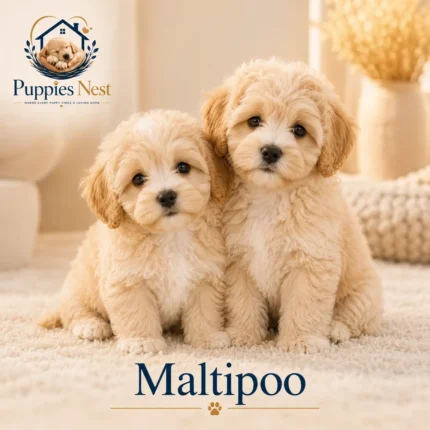
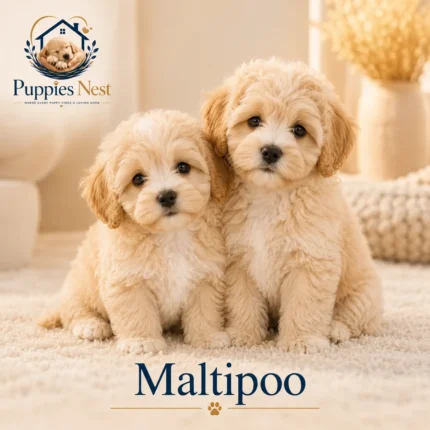
A Maltipoo is a cross between a Maltese and a Poodle. Breeders create this cross to combine characteristics of both parent breeds, including a small size, a companion-dog personality, and a soft coat.
Maltipoos often have rounded faces, floppy ears, and fluffy coats. Their hair may be curly, wavy, or relatively straight because Maltipoos are crossbred; puppies from different litters can look quite different. Even puppies from the same litter may have different coat textures or adult sizes.
A Maltipoo should not be assumed to inherit every desirable trait from both parents. Coat shedding, temperament, and health can vary.
What Is a Toy Poodle?
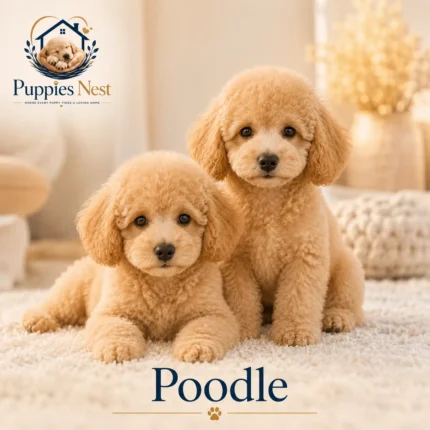
A Toy Poodle is the smallest standard size variety of Poodle. It is known for its intelligence, curly coat, athletic movement, and ability to learn commands.
Despite its small size, a Toy Poodle is not simply a decorative lapdog. It often enjoys training, games, walks, and activities that challenge its mind.
Toy Poodles are also different from Miniature and Standard Poodles. The Standard Poodle is much larger, while the Toy Poodle is bred to remain within a small size range. If you are exploring the wider breed, learning about the standard poodle dog can help you understand how Poodles differ in size while sharing many general breed characteristics.
Maltipoo vs Toy Poodle: Size and Adult Appearance
Size matters when choosing a puppy for an apartment, planning travel, or deciding how much room the dog needs.
In the Maltipoo vs Toy Poodle comparison, a Toy Poodle generally offers more predictable adult size characteristics. Maltipoo size depends on the size and genetics of both parents.
A Maltipoo bred from a Maltese and a Toy Poodle will usually be smaller than one with a larger Poodle parent. However, appearance at eight or ten weeks is not enough to predict exact adult size.
Physical Appearance
Toy Poodles are small, finely built dogs with a curly coat, a narrow muzzle, and an alert expression. Maltipoos may have a rounder face and a softer-looking coat, although their appearance varies.
Before buying either puppy, ask about:
- The adult size of both parents, where known.
- The puppy’s current age and weight.
- The expected adult size and how that estimate was made.
- The health of the parents.
- Whether the seller has reliable veterinary records.
Be careful with labels such as “micro,” “teacup,” or “tiny.” These terms do not guarantee a specific adult size or good health. Extremely small dogs can be more vulnerable to injury and certain health problems.
Maltipoo vs Toy Poodle: Personality and Temperament
Both dogs can be affectionate companions, but their personalities are not identical.
Maltipoo Temperament
Maltipoos often enjoy being close to their owners. Many are playful, curious, and eager to participate in family activities. Some may become anxious when left alone for long periods, so they benefit from gradual independence training.
Toy Poodle Temperament
Toy Poodles are often highly alert and quick to learn. They may enjoy figuring out how toys work, learning tricks, and responding to small training challenges. They can also be sensitive to harsh handling or an unpredictable environment.
When comparing Maltipoo vs Poodle, remember that a Maltipoo’s temperament can reflect either parent breed or a mixture of both.
For example, one Maltipoo may be outgoing and playful, while another may be quieter and more cautious. Toy Poodles also differ from one another, despite being part of a recognized breed. Spend time observing a puppy’s response to people, sounds, gentle handling, and new surroundings. A short visit cannot reveal everything about its future personality, but it can help you ask better questions.
Maltipoo vs Toy Poodle: Which Dog Is Better for Families?
Both breeds can fit well into family life if everyone understands how to handle a small dog.
Maltipoos often enjoy interactive play and close contact with their owners. Toy Poodles can also be affectionate and playful, and many enjoy learning games with family members.
In the Maltipoo vs Toy Poodle comparison, neither breed should be chosen on the assumption that every individual will naturally enjoy children.
Small dogs can be injured by rough play, accidental falls, or being picked up incorrectly. Young children should always be supervised around them.
How Children Should Interact With Small Dogs
Teach children to:
- Approach the dog calmly.
- Avoid pulling its fur, ears, or tail.
- Leave it alone while eating or sleeping.
- Use toys for play instead of grabbing its body.
- Respect the dog’s need for rest.
Both breeds need a safe place where they can retreat without being disturbed.
Maltipoo vs Toy Poodle: Which Is Better for Apartment Living?
Both breeds can be well suited to apartment living because of their small size. However, living in a small home does not remove the need for walks, play, and training.
A Toy Poodle may be a good fit for someone who enjoys teaching tricks and providing mental enrichment indoors. A Maltipoo may suit a household that wants a playful companion for everyday activities.
The Maltipoo vs Toy Poodle decision should also consider barking and time spent alone. Both dogs may bark when excited, when they hear unfamiliar sounds, or when they want attention.
Tips for Apartment Living With Either Breed
- Provide regular toilet breaks.
- Schedule daily walks.
- Use food puzzles and simple training games.
- Teach the dog to settle calmly.
- Practise being alone for short periods, increasing the time gradually.
- Keep grooming supplies and a comfortable resting area at home.
A dog that receives regular attention and suitable activity is more likely to settle well than one that spends most of the day without stimulation.
Maltipoo vs Toy Poodle: Grooming and Coat Maintenance
Grooming is a major consideration in the Maltipoo vs Toy Poodle comparison. Both dogs can need frequent brushing and regular professional haircuts.
Maltipoos may inherit a curly Poodle-like coat, a straighter Maltese-like coat, or something between the two. Curly and wavy hair can trap loose hair and form mats if it is not brushed properly.
Toy Poodles usually have a dense, curly coat that requires regular brushing. Their coat continues to grow, so many owners arrange professional grooming every four to eight weeks, depending on the chosen style and how quickly the hair grows.
For either dog, grooming should include:
- Brushing the coat several times a week, often daily for longer coats.
- Checking for tangles around the ears, legs, and belly.
- Keeping the eyes and face clean.
- Trimming nails when needed.
- Brushing teeth regularly.
- Checking the ears and skin.
A short haircut can make coat maintenance easier, but it does not remove the need for regular care.
Neither breed is guaranteed to be hypoallergenic. Low shedding does not mean a dog cannot trigger allergies, because allergens can also come from dander and saliva.
Maltipoo vs Toy Poodle: Training and Intelligence
Toy Poodles are widely known for their intelligence and ability to learn. Maltipoos can also be quick learners, particularly when they inherit strong Poodle traits. However, intelligence is only one part of training. Puppies need repetition, patience, motivation, and clear expectations.
The Maltipoo vs Toy Poodle training process should start with simple household skills rather than complicated tricks.
Begin with:
- Responding to their name.
- Sit and stay.
- Coming when called indoors.
- Walking calmly on a leash.
- Toilet training.
- Accepting gentle handling.
- Settling in a bed or designated resting area.
Reward-based training is usually a useful approach for both dogs. Small treats, praise, and also short sessions can help maintain their attention.
Toy Poodles may enjoy learning a series of commands or tricks. Maltipoos may respond especially well when training feels like a game.
Toilet training requires patience with either breed. Small puppies have small bladders and need frequent opportunities to go outside or use an appropriate designated toilet area.
Maltipoo vs Toy Poodle: Exercise and Daily Activity
Small dogs still need physical exercise and mental stimulation.
In the Maltipoo vs Toy Poodle comparison, both breeds generally benefit from daily walks, indoor play, and short training sessions. Their exact needs depend on age, health, and energy level. A practical routine might include a morning walk, a few minutes of training, indoor play, and another walk during the cooler part of the day.
Toy Poodles often enjoy activities that involve thinking, such as learning tricks, searching for hidden treats, or solving simple food puzzles.
Maltipoos may enjoy the same activities, as well as games with family members and toys that encourage interaction.
Avoid assuming that a small dog needs only a few minutes of exercise. Equally, do not force a young puppy into long walks or repetitive high-impact activity. Increase exercise gradually as the dog develops.
Maltipoo vs Toy Poodle: Health and Lifespan
Both dogs can live for many years, but their health depends on genetics, weight, daily care, and veterinary support.
Maltipoos may inherit health conditions associated with Maltese dogs or Poodles. Depending on their family history, concerns can include dental disease, kneecap problems, and certain eye conditions.
Toy Poodles may also be prone to dental problems, kneecap issues, and some inherited eye or endocrine conditions. Responsible breeding and appropriate health screening can help identify risks.
A crossbred dog is not automatically healthier than a purebred dog. The health of the parents and the quality of breeding matter more than the label alone.
Before bringing home either puppy, ask for vaccination and deworming records and any available health information about the parents. Arrange a veterinary check after purchase and follow the vet’s advice on vaccinations, parasite prevention, nutrition, and dental care.
Keeping either dog at a healthy weight is important. Extra weight can place unnecessary pressure on small joints and affect overall wellbeing.
Maltipoo vs Toy Poodle: Living in the UAE Climate
The UAE’s heat requires planning for both breeds.
Maltipoos and Toy Poodles can overheat during outdoor activity, especially when humidity is high or the pavement is hot. A long coat can also become uncomfortable if it is neglected or tangled.
For the Maltipoo vs Toy Poodle decision in Dubai, Abu Dhabi, or Sharjah, make sure you can provide a cool indoor environment during summer.
Follow these practical steps:
- Walk early in the morning or later in the evening.
- Keep fresh water available.
- Avoid hot pavement.
- Provide air conditioning during extreme heat.
- Keep outdoor exercise short when conditions are unsafe.
- Never leave the dog in a parked car.
Indoor play and training games can help maintain activity when it is too hot to spend much time outside.
Maltipoo vs Toy Poodle: Puppy Price and Ownership Costs in the UAE
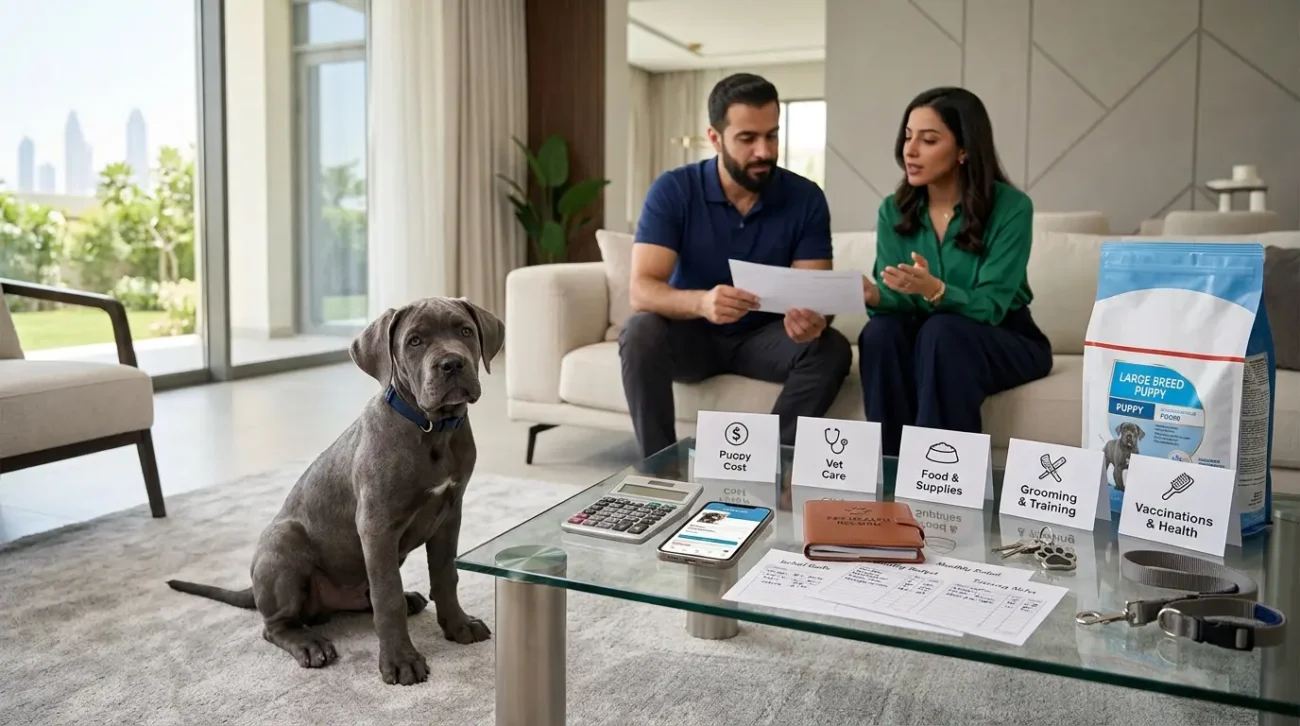
The purchase price is only one part of the cost of owning a dog. Grooming, food, veterinary care, training, and supplies should all be included in your budget.
The Maltipoo vs Toy Poodle price difference can vary according to the puppy’s age, size, parentage, health records, and seller. Prices can also change with availability. If you are researching the mini Maltipoo, ask about the puppy’s expected adult size and the parents’ health. A small label does not guarantee a particular weight.
For Toy Poodles, comparing the current poodle dog price can help you understand the initial purchase cost before planning your budget.
Your ongoing expenses may include:
- Food and treats.
- Routine veterinary appointments.
- Vaccinations and parasite prevention.
- Professional grooming.
- A suitable bed and carrier.
- Harness, leash, and identification.
- Toys and enrichment activities.
- Dental care.
- Emergency veterinary expenses.
Choose a puppy based on health and suitability, not price alone. A lower purchase price may not represent better value if important health information is missing.
maltipoo vs toy poodle | maltipoo vs poodle
Maltipoo vs Toy Poodle: Which Dog Is Better for First-Time Owners?
Both breeds can suit first-time owners who are prepared for grooming, training, and daily companionship.
- A Maltipoo may appeal to someone who wants a playful, affectionate companion and understands that coat type and temperament can vary.
- A Toy Poodle may suit an owner who enjoys training and wants a dog with more predictable breed characteristics. Its intelligence is an advantage, but it still needs guidance and regular activity.
The Maltipoo vs Toy Poodle decision should come down to your expectations. Neither dog should be treated as a low-maintenance pet simply because it is small.
Before choosing, think about how much time you can give to brushing, whether someone will be home during the day, and how you will manage veterinary and grooming appointments.
If you are comparing different dog breeds before buying, you may also find it useful to read about male puppy vs female puppy and how individual temperament and training can matter more than sex alone. Breed selection and puppy selection are both important parts of finding a suitable companion.
Maltipoo vs Toy Poodle: How to Choose the Right Puppy
A puppy’s appearance can be appealing, but responsible selection requires more than choosing the fluffiest one.
When comparing Maltipoo vs Toy Poodle, ask the seller about the puppy’s background, health, and daily care. Observe how it responds to gentle interaction and whether it appears alert and comfortable in its surroundings.
A useful checklist includes:
- Confirm the puppy’s age and available veterinary records.
- Ask about the parents’ health and size.
- Find out what food the puppy currently eats.
- Ask about early socialization.
Discuss grooming needs based on the puppy’s coat. Arrange a veterinary examination after bringing the puppy home.
You can explore different breeds and sizes through Puppies Nest. Take time to compare each puppy’s needs with your household routine before making a decision.
Frequently Asked Questions About Maltipoo vs Toy Poodle
Is a Maltipoo the same as a Toy Poodle?
No. A Maltipoo is a cross between a Maltese and a Poodle, while a Toy Poodle is a recognized size variety of the Poodle breed. Their appearance, coat, and adult size can differ.
Which is smaller, a Maltipoo or a Toy Poodle?
Both are small dogs. A Maltipoo’s adult size depends on its parents, while Toy Poodles have a more predictable size range. Very small labels do not guarantee a specific healthy adult weight.
Is a Maltipoo easier to care for than a Toy Poodle?
Neither is automatically easier. Both need regular grooming, training, exercise, and veterinary care. Maltipoo care can vary depending on the coat and temperament inherited from its parents.
Which dog sheds less, a Maltipoo or a Toy Poodle?
Toy Poodles generally shed very little. Many Maltipoos also shed little, but coat type varies. Neither breed is guaranteed to be hypoallergenic.
Is a Maltipoo or Toy Poodle better for apartment living?
Both can adapt well to apartment living when they receive daily walks, play, and companionship. Training is important to manage barking and help the dog settle when left alone.
Are Maltipoos and Toy Poodles good with children?
Both can be affectionate family companions. Because they are small, children should interact gently with them, and an adult should supervise young children around either breed.
How often do Maltipoos and Toy Poodles need grooming?
Both need regular brushing and professional grooming when their coats grow long. Curly or wavy hair can tangle easily, so the frequency of grooming depends on coat type and haircut.
Can Maltipoos and Toy Poodles live in the UAE?
Yes, both can live in the UAE with suitable care. Owners should provide indoor cooling, fresh water, and walks during cooler hours, especially during summer.
Which is easier to train, a Maltipoo or a Toy Poodle?
Toy Poodles are known for their learning ability, and many Maltipoos are also responsive to reward-based training. The individual dog’s temperament, motivation, and training routine influence the result.
How much does a Maltipoo or Toy Poodle cost in the UAE?
Prices vary with size, age, parentage, health documentation, and seller. Check current listings and include grooming, food, veterinary care, and other ongoing expenses in your budget.