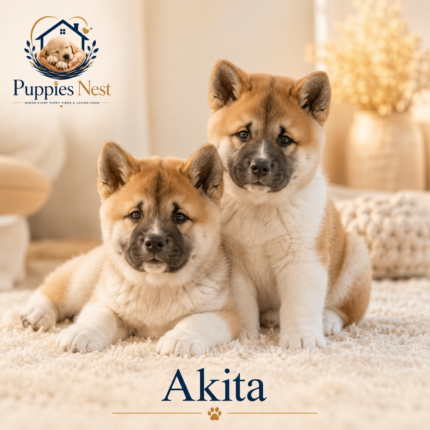
If you are interested in the akita, want to learn more about the akita dog, are wondering about the akita dog price, or have searched for an akita dog cute enough to become your next companion, understanding the akita dog breed is an important first step.
The Akita is a distinctive Japanese breed known for its powerful appearance, loyalty, independence, intelligence, and strong personality. Unlike breeds that naturally seek attention from everyone they meet, the Akita often develops a close relationship with its family while remaining reserved around unfamiliar people.
This guide covers the Akita’s history, appearance, temperament, size, training, grooming, nutrition, health, exercise, family life, and ownership requirements. Whether you are researching the breed for the first time or already considering an Akita, understanding these characteristics can help you decide whether this breed matches your lifestyle.
What Is an Akita Dog?
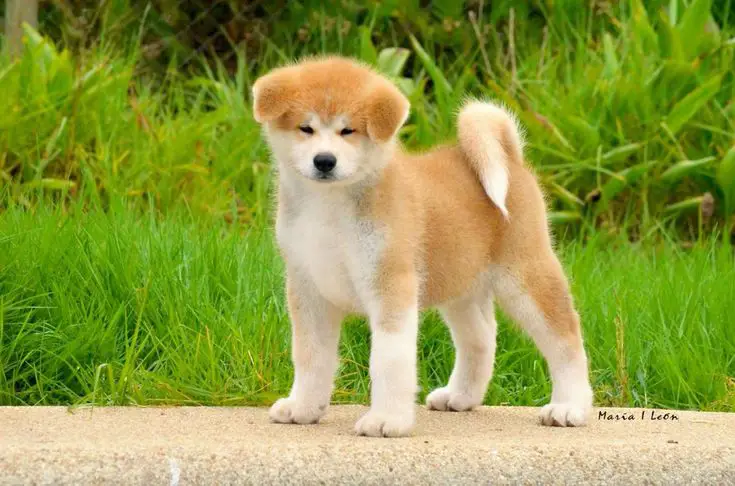
The Akita is a large dog breed originating in Japan. It is recognized for its strong body, broad head, upright ears, curled tail, dense double coat, and confident expression. The breed has developed a reputation for loyalty and independence, making it different from many dogs that naturally seek attention from everyone they encounter.
An adult Akita has an impressive physical presence. Its substantial build and thick coat can make it appear even larger than its actual measurements. At the same time, the breed’s movements are generally controlled and purposeful rather than excessively energetic.
Akitas can become strongly attached to their families. They may be affectionate with people they know while maintaining a more reserved attitude toward strangers. Individual temperament can vary according to genetics, early experiences, socialization, training, and environment.
One of the most important characteristics of an Akita is independence. Intelligence does not necessarily mean the dog will immediately obey every command. An Akita can understand what an owner wants while still being selective about whether it wants to cooperate. Patient and consistent training is therefore especially valuable.
Is an Akita Easy to Train?
Training an Akita can be rewarding, but it may require more patience than training a breed that naturally wants to follow every instruction.
Akitas are intelligent, but intelligence and obedience are not the same thing.
A successful approach should focus on consistency, clear expectations, positive reinforcement, and appropriate timing.
Short sessions can help maintain attention. Repeating expectations every day can also make household rules easier to understand.
Harsh punishment should be avoided. Training should build communication and trust rather than fear.
Owners should also understand that progress may not always be perfectly linear, especially during adolescence.
Basic Akita Training
Basic training can include:
- Name recognition
- Sit
- Stay
- Come
- Leave it
- Walking calmly on a leash
- Appropriate household behavior
- Waiting before eating
- Responding to boundaries
Training should be introduced gradually.
Rewarding desired behavior can help the puppy understand what the owner wants. Consistency between family members is equally important.
If one person allows a behavior while another prohibits it, the dog may receive mixed signals.
Professional training can also be valuable, particularly for owners who are unfamiliar with large independent breeds.
Akita Socialization
Socialization is not simply making a dog meet as many people and animals as possible.
The goal is to provide controlled and positive experiences with:
- Different environments
- Sounds
- Surfaces
- People
- Situations
A puppy should experience new things gradually.
Overwhelming a puppy with too many unfamiliar experiences can be counterproductive. Calm exposure is generally more useful than forcing interaction.
Socialization should continue after puppyhood. Adult dogs also benefit from appropriate experiences that reinforce calm behavior.
Owners should pay attention to the dog’s comfort level and adjust experiences accordingly.
Akita Exercise Requirements
Akitas need regular physical activity, but exercise should be appropriate for their age and health.
Adult Akitas can benefit from daily walks and play, while puppies need more carefully controlled activity because their bodies are still developing.
Physical and Mental Activity
Mental stimulation is also valuable.
- Training sessions
- Interactive toys
- Scent-based games
- Supervised exploration
These activities can give an Akita opportunities to use its mind.
Exercise should not be measured only by how tired the dog becomes. A balanced routine should include physical activity, training, interaction, and rest.
Hot weather requires additional care because the Akita has a dense double coat.
Can an Akita Live in an Apartment?
Living in an apartment with an Akita is not automatically impossible, but the owner’s routine and the dog’s needs must be considered carefully.
An Akita needs regular opportunities to:
- Exercise
- Explore
- Train
- Interact with its household
The dog should also have a comfortable place to rest.
Noise and proximity to strangers can be additional considerations in apartment buildings. A naturally alert dog may need careful management in busy shared spaces.
Owners should evaluate their schedule and access to appropriate outdoor areas before choosing the breed.
Akita Grooming Requirements
The Akita’s dense double coat requires regular grooming.
Brushing removes loose hair and helps maintain coat condition. It also gives owners an opportunity to inspect the skin.
During heavy shedding periods, brushing may need to become more frequent.
Bathing should be done when necessary rather than excessively. Too much bathing can affect the natural condition of the skin and coat.
Basic Grooming Care
- Nails should be monitored and trimmed when necessary.
- Dental care is also important.
- Regular oral hygiene can support better dental health.
Grooming is easier when introduced gradually during puppyhood. A dog that becomes comfortable with brushing, nail handling, and routine care can be easier to manage as an adult.
How Much Does an Akita Shed?
Akitas are known for shedding, and owners should expect noticeable amounts of loose hair.
The double coat can produce heavier shedding during seasonal coat changes.
Regular brushing can help remove loose hair before it spreads around the home.
However, no grooming routine can completely eliminate shedding from a breed with such a dense coat.
People who prefer a dog that produces very little loose hair may find the Akita less convenient.
For owners who appreciate the breed’s appearance and are comfortable with grooming, shedding simply becomes part of normal ownership.
Akita Coat Colors
Akitas can have several recognized coat colors and patterns.
The exact appearance of an individual dog depends on genetics and lineage.
The dense coat can make colors look especially rich and distinctive.
When choosing an Akita, coat color may be one personal preference, but it should not be the only factor considered.
What Should Buyers Consider?
- Temperament
- Health
- Lifestyle compatibility
- Responsible care
These factors are more important than selecting a particular shade.
A puppy’s coat can also change somewhat as it matures, so owners should avoid assuming that every detail of the adult appearance can be predicted from a young puppy.
Common Health Concerns to Discuss With a Veterinarian
Potential Akita owners may want to discuss breed-related health considerations with a veterinarian.
Topics can include:
- Joint health
- Skin and coat conditions
- Eye health
- Weight management
- Other issues that may occur in dogs
A veterinarian can also help establish:
- Vaccination
- Parasite prevention
- Nutrition
- Routine monitoring plans
Online information should not be treated as a replacement for veterinary diagnosis.
If an Akita develops unusual symptoms, professional advice should be sought instead of attempting to diagnose the condition independently.
Akita Lifespan
The lifespan of an Akita varies between individuals and can be influenced by:
| Factor | Impact |
|---|---|
| Genetics | Can influence lifespan |
| Nutrition | Supports overall health |
| Veterinary care | Helps monitor health |
| Environment | Can affect quality of life |
| Lifestyle | Influences overall wellbeing |
There is no way to guarantee an exact lifespan.
Responsible care can nevertheless support overall health and quality of life.
Maintaining a healthy weight is especially important for a large breed. Regular activity, balanced nutrition, preventive veterinary care, dental hygiene, and attention to changes in behavior all contribute to long-term wellbeing.
The goal should not simply be more years, but a comfortable and healthy life throughout those years.
Feeding an Akita
Nutrition should be appropriate for the dog’s:
- Age
- Size
- Activity level
- Health
Puppies have different nutritional requirements from adults, so food should be appropriate for the correct life stage.
Overfeeding should be avoided. Large puppies should not be encouraged to grow faster than is healthy.
Portion sizes should be adjusted according to development and veterinary guidance.
Fresh water should always be available.
Treats can be useful for training but should be provided in moderation.
If an Akita has a health condition or special nutritional requirement, a veterinarian should provide individualized dietary advice.
Akita in Hot Weather
Akitas have a dense double coat, so owners in hot climates need to take temperature seriously.
During very warm weather, exercise should generally take place during cooler periods rather than at the hottest time of day.
Fresh water should always be available.
A cool indoor environment can also be important during periods of extreme heat.
Owners should watch for signs of overheating and seek veterinary assistance when necessary.
Important Considerations in Hot Weather
- Exercise during cooler periods.
- Keep fresh water available.
- Provide a cool indoor environment.
- Watch for signs of overheating.
- Seek veterinary assistance when necessary.
Shaving the coat is not automatically the solution to heat. The double coat also provides insulation, and inappropriate shaving can interfere with its natural function.
Regular grooming and sensible heat management are more appropriate approaches.
Akita Puppy vs Adult Akita
An Akita puppy and an adult Akita can provide very different ownership experiences.
| Akita Puppy | Adult Akita |
|---|---|
| Requires more supervision | May already have established habits |
| Needs more training | May have a more predictable physical appearance |
| Requires socialization | Personality is more developed |
| Needs patience during development | Can appeal to owners who prefer a more developed dog |
| Is still developing physically and mentally | Has already reached a more mature stage |
A puppy requires more supervision, training, socialization, and patience. It is learning household rules and developing physically and mentally.
An adult Akita may already have established habits and a more predictable physical appearance.
Puppies appeal to owners who want to experience early development.
Adults can appeal to people who prefer a dog whose size and personality are already more developed.
Neither option is automatically better. The appropriate choice depends on the owner’s lifestyle, experience, expectations, and ability to provide care.
Choosing an Akita Puppy
When choosing an Akita puppy, look beyond appearance.
The puppy should be evaluated based on:
- Available information
- Health documentation
- Behavior
- Background
- The circumstances in which it has been raised
A healthy-looking puppy is important, but health cannot be reliably determined from appearance alone.
Prospective owners should ask questions and request appropriate documentation.
It can also be useful to observe the puppy’s behavior. Look for general signs of alertness, interaction, and comfort without making extreme judgments based on a single short interaction.
If you are comparing different types of dogs, you may also encounter small dogs for sale. Remember that size alone does not determine whether a dog is suitable for you. Lifestyle compatibility matters more.
Akita and the Home Environment
An Akita benefits from a stable environment with clear routines.
The dog should have a comfortable place to rest and should not constantly be disturbed.
A predictable household can make adjustment and training easier.
Owners should also think about how visitors are managed. Because Akitas can be reserved around unfamiliar people, teaching appropriate behavior around guests is preferable to assuming that the dog will automatically respond positively.
Consistent Household Rules
- Household rules should remain consistent.
- If the dog is not allowed on certain furniture, everyone should follow the same rule.
- Consistency reduces confusion and helps the dog understand expectations.
Akita Mental Stimulation
Physical exercise is only one part of caring for an intelligent dog.
Akitas can benefit from activities involving:
- Observation
- Problem-solving
- Learning
Training games, interactive toys, scent activities, and controlled exploration can provide mental stimulation.
Mental work can also make everyday training more interesting.
The activities do not need to be complicated. Simple challenges can be effective when they are appropriate for the individual dog.
The goal is to provide engagement without creating unnecessary frustration.
Understanding Akita Body Language
Learning canine body language can help owners understand their Akita.
Changes in the following can provide information about how a dog is responding to a situation:
- Posture
- Facial expression
- Ear position
- Tail position
- Movement
Owners should avoid interpreting one signal in isolation.
For example, a wagging tail does not automatically mean a dog is happy, while a still posture does not necessarily mean the dog is relaxed.
Context matters.
Professional trainers can help owners learn how to recognize behavior and respond appropriately.
Akita Behavior Around Strangers
Akitas can be reserved around unfamiliar people.
This is different from saying that every Akita is aggressive or unfriendly.
The goal should be calm and controlled behavior.
Owners should not force an Akita to physically interact with strangers if the dog appears uncomfortable.
Helping an Akita Around Strangers
- Use gradual exposure.
- Provide positive experiences.
- Allow the dog to maintain appropriate space.
- Encourage calm and controlled behavior.
- Help visitors understand how to behave around the dog.
Gradual exposure and positive experiences can help the dog learn appropriate responses.
Visitors should also understand how to behave around the dog.
Respecting the dog’s space can reduce unnecessary stress.
Akita and Other Pets
Whether an Akita can live successfully with other pets depends on several factors:
| Factor | Why It Matters |
|---|---|
| Individual dog | Each Akita has its own temperament |
| Other animal | Personality and behavior can affect compatibility |
| Socialization | Can influence how the dog responds to others |
| Management | Helps control early interactions |
| Household environment | Affects how animals adjust to one another |
Introducing a new animal should be done carefully.
Separate spaces may be necessary during the initial adjustment period.
Interactions should be supervised until the owner understands how the animals respond to one another.
Even animals that initially seem comfortable should not be left unsupervised until the relationship is well established.
Professional behavior support can be useful when there are concerns about compatibility.
Finding the Right Dog for Your Lifestyle
Choosing a dog should begin with your lifestyle rather than simply selecting the breed you find attractive.
Consider:
- Your working hours
- Home environment
- Activity level
- Experience
- Family structure
- Willingness to train
An Akita may suit someone who values independence, loyalty, confidence, and a distinctive appearance.
Another person may prefer a smaller or more socially outgoing breed.
When researching dogs for sale, it can be tempting to focus entirely on appearance. A better approach is to compare the breed’s needs with what you can realistically provide.
This can prevent mismatched expectations later.
Akita Ownership Responsibilities
Owning an Akita involves long-term responsibilities.
These include:
- Appropriate food
- Fresh water
- Veterinary care
- Vaccinations
- Parasite prevention
- Grooming
- Exercise
- Training
- Socialization
- Safe housing
- Mental stimulation
- Emergency planning
These responsibilities continue throughout the dog’s life.
Adult Akitas still require structure, health care, exercise, and attention.
Prospective owners should consider the commitment carefully before bringing one home.
Akita Compared With Smaller Dog Breeds
The Akita’s size is one of its biggest differences from smaller breeds.
Smaller dogs may be easier to physically handle, while an Akita requires an owner who is comfortable managing a large and powerful dog.
This does not mean small breeds are automatically easier in every way. Every breed has its own temperament and care requirements.
When comparing small dogs for sale, focus on the complete lifestyle requirements rather than size alone.
Consider:
- Exercise
- Training
- Grooming
- Temperament
- Space
- Long-term care
The best dog is the one whose needs fit your household.
How Much Does an Akita Cost Over Its Lifetime?
The initial akita dog price is only one part of the total cost of ownership.
Owners should also consider:
| Expense | Examples |
|---|---|
| Food | Daily meals and treats |
| Veterinary care | Checkups and medical care |
| Grooming | Grooming equipment and routine care |
| Training | Training sessions and supplies |
| Toys | Toys and enrichment items |
| Bedding | Beds and sleeping supplies |
| Equipment | Collars and leashes |
| Preventive care | Routine preventive treatments |
| Unexpected expenses | Unplanned veterinary needs |
Large dogs can require more food and larger equipment than smaller breeds.
Planning for ongoing expenses can help prospective owners make a realistic decision.
A responsible owner should have a financial plan for routine care as well as unexpected veterinary needs.
Akita Price vs Value
When comparing prices, it is useful to distinguish cost from value.
A cheaper dog is not necessarily the better financial decision if important information is missing or future costs become unexpectedly high.
Likewise, a higher price does not guarantee that an individual dog will be healthier or a better companion.
Consider:
- Health information
- Background
- Care
- Documentation
- Source
- The circumstances surrounding the purchase
Where Should You Research an Akita?
Good research should involve several types of information.
Useful sources can include:
- Breed organizations
- Veterinarians
- Experienced trainers
- Reputable educational sources
Seeing the breed in real life can provide a better understanding of its:
- Size
- Movement
- Coat
- General presence
Online photographs are useful, but they cannot completely communicate what living with a large independent dog is like.
Research should therefore combine written information with real-world observation whenever possible.
Questions to Ask Before Choosing an Akita
Before choosing an Akita, ask yourself:
- Do I have enough time for training?
- Can I provide regular exercise?
- Am I comfortable with a large dog?
- Can I manage regular shedding?
- Am I prepared for an independent temperament?
- Can I provide appropriate socialization?
- Can I afford routine and unexpected veterinary care?
- Is my household comfortable with the breed?
- Can I commit to the dog for its entire life?
These questions can help determine whether the breed matches your circumstances.
Frequently Asked Questions
What Is an Akita?
The Akita is a large Japanese dog breed known for its strong build, dense double coat, upright ears, curled tail, loyalty, confidence, and independent temperament.
Is an Akita a Good Family Dog?
An Akita can be a good family companion in an appropriate household with responsible supervision, training, socialization, and consistent rules.
How Big Does an Akita Get?
Akitas are large dogs, with males generally being larger than females. Individual size varies according to genetics and other factors.
What Is the Akita Dog Price?
The akita dog price varies depending on factors such as age, lineage, location, health documentation, source, availability, and other characteristics.
Is an Akita Easy to Train?
Akitas are intelligent but independent. They can learn effectively with consistent, patient, positive training, although they may not always behave like highly obedient breeds.
Do Akitas Shed?
Yes. Akitas have dense double coats and can shed significantly, particularly during seasonal coat changes.
Is an Akita Good With Children?
Individual dogs vary. Children should always be supervised around dogs and taught to interact respectfully with them.
Are Akitas Good With Other Dogs?
Compatibility varies between individual dogs. Careful introductions, socialization, and supervision are important when an Akita lives with other dogs.
Can Akitas Live in Hot Weather?
Akitas can live in warm climates with appropriate management, but owners need to take extra care during periods of high temperature because of the breed’s dense coat.
How Long Do Akitas Live?
Lifespan varies between individual dogs and depends on genetics, health, nutrition, veterinary care, and lifestyle.
Is an Akita Suitable for a First-Time Owner?
It can be, but the breed’s size, independence, and training requirements mean first-time owners should be prepared to learn and seek professional guidance when needed.
What Makes an Akita Different From Other Breeds?
The combination of its powerful appearance, dense coat, loyalty, confidence, independence, and reserved temperament gives the Akita a distinctive identity.
How Should an Akita Be Groomed?
Regular brushing, appropriate bathing, nail care, dental hygiene, and routine skin and coat checks are important parts of Akita grooming.
What Should an Akita Eat?
An Akita should receive nutritionally appropriate food based on its age, size, activity level, and health. A veterinarian can provide individualized nutritional recommendations.
Is an Akita a Good Apartment Dog?
An Akita can potentially live in an apartment if its exercise, training, space, and routine needs are met, but owners should carefully consider the practical requirements of keeping a large dog in a shared building.