Before going into the history and care requirements, here is a quick overview of the breed.
The Pomeranian belongs to the Spitz family of dogs. Spitz breeds generally share characteristics such as pointed ears, thick coats, and tails carried over the back. Many of these dogs originated in colder northern regions and were historically used for practical work such as herding, hunting, pulling, and guarding.
The ancestors of the Pomeranian were much larger than the modern dog.
Historical sources describe the breed’s ancestors as substantially bigger working dogs, while selective breeding gradually reduced their size.
The modern Pomeranian developed from larger Spitz-type dogs associated with this region. Royal Canin notes that the breed is descended from the German Spitz and that its development as a smaller companion dog took place over generations.
This explains why the modern Pomeranian still has many characteristics associated with Spitz dogs:
The dog may be small, but many of its physical and behavioral characteristics still reflect its Northern Spitz ancestry.
Breeders gradually selected smaller dogs while maintaining desirable characteristics such as:
Over generations, the breed became increasingly smaller.
The result was a dog that could live comfortably as a household companion rather than performing the demanding working tasks associated with its ancestors.
The Pomeranian’s ancestors were much larger, while today’s breed has become a devoted companion and one of the world’s best-known toy dogs.
Queen Charlotte, wife of King George III of Great Britain, is one of the early royal figures associated with Pomeranians. Later, Queen Victoria became one of the breed’s most influential admirers.
Queen Victoria’s interest in the breed helped increase its popularity and encouraged the development of smaller Pomeranians.
Her influence was so significant that the breed became strongly associated with the elegant, tiny companion dog that people recognize today.
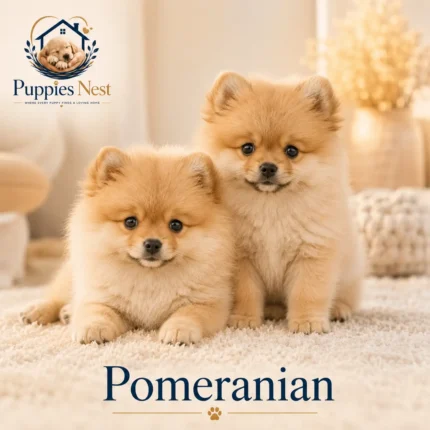
The breed standard describes the Pomeranian as compact and well-knit, with an intelligent expression and an active, lively appearance
However, intelligence also means that boredom can become a problem. A Pomeranian needs mental stimulation, not only physical exercise.
How to Train a Pomeranian
| Training Area |
What to Teach |
How to Practice |
Best Reward |
| Name Recognition |
Teach your Pomeranian to respond to its name. |
Say its name in a positive voice. When it looks at you, reward immediately. |
Small treat, praise |
| Sit |
Teach the puppy to sit on command. |
Use a small treat to guide the puppy into a sitting position, then reward. |
Treat, praise |
| Stay |
Teach the puppy to remain in place briefly. |
Ask for “sit,” wait for a moment, then reward. Gradually increase the duration. |
Treat, praise |
| Come |
Build reliable recall. |
Move a short distance away, call the puppy, and reward when it comes to you. |
Treat, enthusiastic praise |
| Wait |
Teach patience before meals, doors, or toys. |
Ask the puppy to wait briefly, then give permission to continue. |
Treat, praise |
| Leave It |
Prevent the puppy from picking up unsafe objects. |
Start with a safe object and reward the puppy for moving its attention away from it. |
Treat, praise |
| Drop It |
Teach the puppy to release an object. |
During play, offer a treat when the puppy has a toy and reward it when it releases the toy. |
Treat, toy |
| Place |
Teach the puppy to go to its bed or mat. |
Guide the puppy onto its designated place and reward calm behavior. |
Treat, praise |
| Leash Skills |
Help the puppy become comfortable walking on a leash. |
Begin indoors or in a safe area with very short sessions. Reward calm walking. |
Treat, praise |
| Calm Behavior |
Teach the puppy that relaxing is also rewarding. |
Reward the puppy when it settles quietly instead of constantly demanding attention. |
Praise, gentle affection |
Pomeranian Training Rewards
| Reward |
When to Use It |
| Small Training Treats |
For commands and behaviors that require immediate reinforcement. |
| Praise |
When your puppy responds correctly or remains calm. |
| Toys |
Useful for dogs that are highly motivated by play. |
| Play |
Can be used as a reward after successful training. |
| Gentle Affection |
Appropriate when your puppy enjoys physical affection. |
Avoid harsh punishment. The purpose of training is to teach your Pomeranian what you want it to do, not to make it afraid of making mistakes.
Pomeranian Training Sessions
| Time |
Training |
Duration |
Main Goal |
| Morning |
Name recognition + Sit |
About 5 minutes |
Attention and basic obedience |
| Afternoon |
Leash practice |
About 5 minutes |
Comfortable leash behavior |
| Evening |
Come + Leave It |
About 5 minutes |
Recall and self-control |
| Throughout the Day |
Calm behavior + household routines |
Short opportunities |
Good everyday manners |
Short, successful sessions are often more useful for a young Pomeranian than one long session that leaves the puppy distracted or frustrated.
Pomeranian House Training
| Situation |
What to Do |
| After Waking |
Take your Pomeranian to its designated bathroom area. |
| After Eating |
Give the puppy another bathroom opportunity. |
| After Drinking |
Take the puppy to the appropriate area when needed. |
| After Playing |
Offer another bathroom break. |
| After Sleeping |
Take the puppy out immediately after waking from a nap. |
| Before Bedtime |
Give the puppy a final bathroom opportunity. |
| Successful Bathroom Trip |
Reward immediately with praise or a small treat. |
| Accident You Find Later |
Clean the area without punishing the puppy. |
Pomeranian House Training Routine
| Step |
Action |
| 1. Choose One Area |
Decide where you want your puppy to go to the bathroom. |
| 2. Stay Consistent |
Take the puppy to the same area regularly. |
| 3. Watch for Opportunities |
Pay particular attention after eating, drinking, sleeping, and playing. |
| 4. Reward Immediately |
Reward correct behavior as soon as it happens. |
| 5. Handle Accidents Calmly |
Clean accidents thoroughly and continue the routine. |
| 6. Increase Freedom Gradually |
Give the puppy access to more of the home as its bathroom habits improve. |
Small dogs can sometimes take longer to become fully reliable with house training because they have smaller bladders and may need more frequent bathroom opportunities.
Never punish a Pomeranian for an accident discovered later. Delayed punishment does not teach the puppy what the earlier accident meant and can make the puppy anxious about bathroom behavior.
Pomeranian Socialization
Socialization is one of the most important parts of raising a balanced Pomeranian dog.
Gradually expose your dog to:
- Different people
- Friendly dogs
- Household sounds
- Cars
- Grooming
- Different surfaces
- New rooms
- Safe outdoor environments
The purpose is not to force your dog to interact with everything.
The purpose is to teach it that new experiences can be safe.
Pomeranian Barking
One behavior that owners should understand before choosing a Pomeranian is barking.
The breed can be highly alert.
A Pomeranian may bark when it hears:
- A door
- A person outside
- Another dog
- An unfamiliar sound
- Something moving near the home
Training can help manage this behavior.
Do not simply shout “stop” repeatedly. Instead, teach the dog an alternative behavior.
For example:
Sound → look at owner → remain calm → reward
Over time, the dog can learn that not every sound requires prolonged barking.
Pomeranian Food: What Should It Eat?
| Factor |
What Your Pomeranian Needs |
Why It Matters |
| Age |
Food appropriate for puppy, adult, or senior life stage |
Nutritional needs change as the dog grows. |
| Size |
A diet suitable for small or toy breeds |
Small dogs have different calorie and nutrient requirements. |
| Activity Level |
Adjust food intake according to daily activity |
Active dogs may need different calorie levels than less active dogs. |
| Growth Stage |
Puppy food during puppyhood |
Supports healthy growth and development. |
| Overall Health |
Diet appropriate for the individual dog’s condition |
Some dogs may need specific nutritional adjustments recommended by a veterinarian. |
| Portion Size |
Carefully measured meals |
Small dogs can gain noticeable excess weight from relatively small amounts of extra food. |
| Water |
Fresh drinking water available regularly |
Supports normal hydration and overall health. |
Feeding a Pomeranian Puppy
Young Pomeranians generally benefit from several smaller meals rather than one large meal. The exact amount should follow the food manufacturer’s feeding guidance and be adjusted according to your puppy’s weight, growth, activity, and veterinary advice.
| Life Stage |
General Meal Pattern |
Feeding Focus |
| Young Puppy |
Several small meals |
Maintain a consistent routine and monitor growth. |
| Older Puppy |
Usually 3 meals |
Gradually adjust portions as the puppy grows. |
| Adult |
Usually 2 meals |
Maintain an appropriate calorie intake and healthy body condition. |
| Senior |
Often 2 meals |
Adjust the diet according to age, activity, and veterinary recommendations. |
Pomeranian Weight Management
| Weight Management Step |
What to Do |
Benefit |
| Measure Food |
Use a measuring cup or appropriate measuring method instead of guessing. |
Helps prevent accidental overfeeding. |
| Control Treats |
Keep treats small and limited. |
Prevents unnecessary calories. |
| Monitor Body Condition |
Check your dog’s body condition regularly. |
Helps identify weight changes early. |
| Adjust Portions |
Discuss portion changes with your veterinarian when needed. |
Keeps food intake appropriate for the dog’s individual needs. |
| Maintain Activity |
Provide regular, age-appropriate exercise. |
Supports healthy weight and mobility. |
Maintaining a healthy weight can support:
| Area |
Benefit |
| Mobility |
Easier and more comfortable movement |
| Joint Health |
Less unnecessary stress on the joints |
| Activity |
Better ability to participate in daily activities |
| Overall Quality of Life |
Supports general health and comfort |
Pomeranian Treats
Because a Pomeranian is a very small dog, even a seemingly small treat can represent a meaningful number of calories.
| Treat Option |
How to Use It |
| Small Training Treats |
Use tiny portions during obedience training. |
| Tiny Pieces of Approved Dog Food |
Can be used as rewards without introducing unnecessary foods. |
| Regular Food Portions |
Some of the dog’s normal daily food can be reserved for training. |
| Dog-Safe Dental Treats |
Choose an appropriately sized product and use it according to its feeding guidance. |
Pomeranian Treat Rules
| Rule |
Recommendation |
| Size |
Keep treats very small. |
| Frequency |
Avoid giving treats constantly throughout the day. |
| Calories |
Include treats within the dog’s overall daily calorie intake. |
| Training |
Use treats strategically to reinforce desired behavior. |
| Monitoring |
Reduce other food if treats are contributing significant calories. |
Foods Pomeranians Should Not Eat
| Food |
Why It Should Be Avoided |
| Chocolate |
Can be toxic to dogs. |
| Grapes |
Can cause serious health problems in dogs. |
| Raisins |
Can be dangerous and potentially toxic. |
| Onions |
Can damage red blood cells and cause illness. |
| Garlic |
Can be harmful to dogs. |
| Xylitol |
A dangerous sweetener for dogs. |
| Alcohol |
Toxic and unsafe for dogs. |
| Coffee |
Contains caffeine, which can be dangerous. |
| Macadamia Nuts |
Can cause toxicity in dogs. |
| Cooked Bones |
Can splinter and cause serious injuries or digestive problems. |
If your Pomeranian dog accidentally eats a potentially toxic food, contact a veterinarian immediately rather than waiting for symptoms to appear.
Pomeranian Grooming
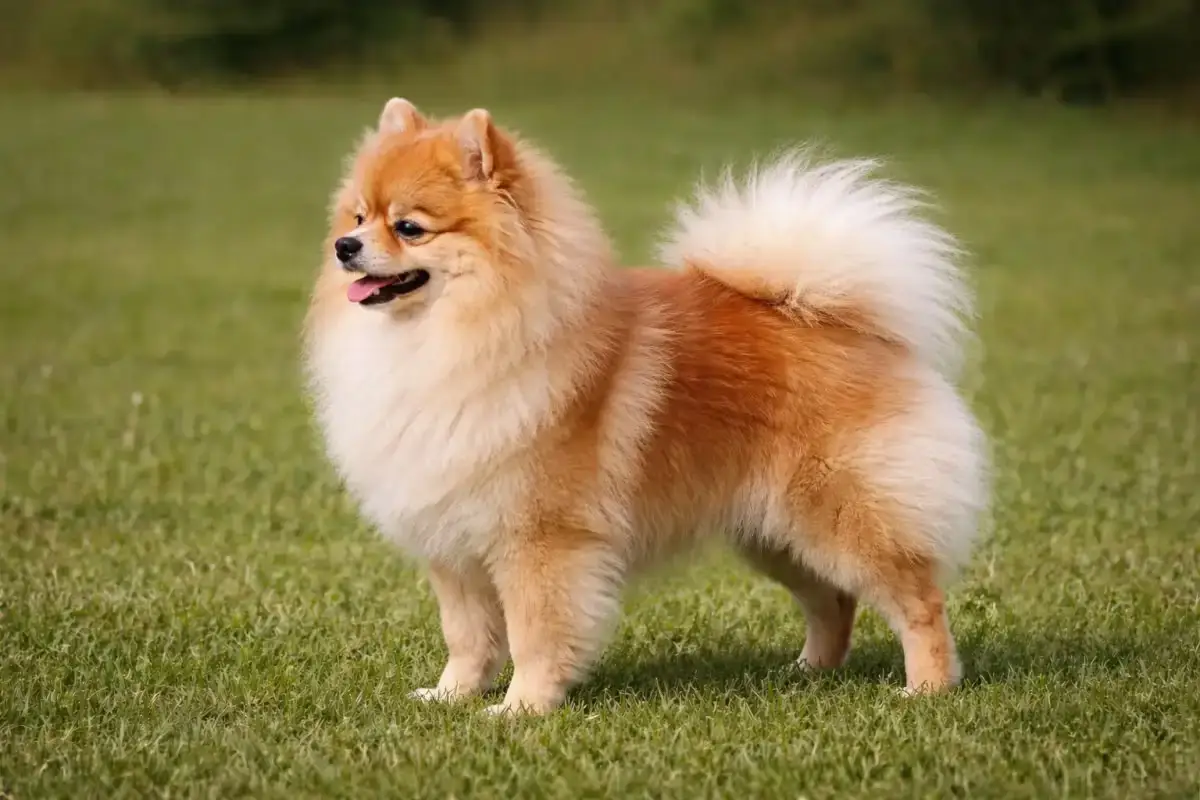
Grooming is a major part of owning a Pomeranian dog.
Its thick double coat requires regular attention.
Regular brushing helps:
- Remove loose hair
- Reduce tangling
- Prevent mats
- Keep the coat healthy
- Spread natural oils
- Allow you to inspect the skin
The professional grooming can be useful when owners are uncomfortable maintaining the coat themselves.
Pomeranian and Hot Weather
Living with a Pomeranian dog in the UAE requires special attention to temperature.
The breed has a thick double coat, and UAE summers can become extremely hot. This does not mean a Pomeranian cannot live comfortably in the UAE.
It means the daily routine needs to be adapted. During very hot periods:
- Keep your dog indoors during peak heat.
- Use air conditioning.
- Provide fresh water.
- Avoid midday walks.
- Walk early in the morning.
- Walk after sunset.
- Avoid hot pavement.
- Never leave your dog inside a parked car.
Pomeranian Dog in the UAE: Daily Routine
| Time of Day |
Routine |
Activities |
Important UAE Considerations |
| Morning |
Start the day with outdoor activity before temperatures rise. |
Short walk, bathroom break, then breakfast and rest. |
Choose an early time when temperatures and pavement are safe. |
| Late Morning |
Rest and stay indoors. |
Nap, quiet family interaction, gentle grooming if needed. |
Keep the indoor environment cool and comfortable. |
| Afternoon |
Keep your Pomeranian indoors during peak heat. |
Puzzle toys, short training sessions, indoor play, chew toys, and rest. |
Avoid unnecessary outdoor activity and hot pavement. |
| Early Evening |
Resume activity when outdoor conditions become more comfortable. |
Short walk, bathroom break, and gentle exploration. |
Check the temperature and pavement before going outside. |
| Night |
Wind down and prepare for sleep. |
Dinner, calm play, bathroom break, and family interaction. |
Provide a comfortable, quiet sleeping area. |
| Throughout the Day |
Maintain basic care. |
Fresh water, appropriate meals, rest, mental stimulation, and monitoring. |
Adjust the routine according to the season, temperature, and your dog’s behavior. |
Pomeranian Dog Price: What Determines the Cost?
When people search for the Pomeranian dog price, they may find very different prices for puppies and adult dogs.
This is normal because the cost can depend on many factors.
These can include:
- Age
- Gender
- Size
- Coat color
- Pedigree
- Breeding background
- Health
- Vaccination status
- Documentation
- Availability
- Seller or breeder
- Veterinary care
A Pomeranian with a particular pedigree or uncommon characteristics may have a different price from another dog.
Pomeranian Dog Price in UAE
The Pomeranian dog price in UAE can vary significantly depending on the individual puppy and what is included with the purchase.
Rather than focusing only on the lowest available price, compare what you are actually receiving.
Ask about:
- Puppy age
- Health status
- Vaccinations
- Vaccination certificate
- Deworming
- Veterinary examination
- Feeding history
- Parent information when available
- Current care
- Delivery options
The initial purchase price is also not the full cost of owning a Pomeranian.
You should budget for:
- Food
- Grooming
- Veterinary care
- Vaccinations
- Parasite prevention
- Dental care
- Toys
- Training
- Bedding
- Unexpected medical expenses
Is a More Expensive Pomeranian Always Better?
Not necessarily. Price alone does not determine the quality of a dog.
When comparing the Pomeranian dog price in UAE, consider the complete picture.
A responsible purchase should involve understanding:
Health + care + documentation + age + temperament + needs + ongoing responsibility
The cheapest puppy is not necessarily the best choice, just as the most expensive puppy is not automatically the healthiest.
Find dogs for sale Sharjah from Puppies Nest store
Choosing the Right Pomeranian for Your Lifestyle
Before choosing a Pomeranian, ask yourself a few questions.
Do You Have Enough Time?
Pomeranians enjoy companionship and can become strongly attached to their owners.
Can You Handle Grooming?
Their thick coat requires regular maintenance.
Can You Train Consistently?
Pomeranians are intelligent but need patient training.
Can You Manage Barking?
Their alert nature can make them vocal.
Can You Protect Them From UAE Heat?
Their outdoor routine must be adapted to the climate.
Can You Afford Long-Term Care?
Food, grooming, healthcare, and other expenses continue throughout the dog’s life.
If the answer to these questions is yes, a Pomeranian may be an excellent companion for your home.
Check cheap puppies for sale in Dubai
Pomeranian: A Small Dog With a Big Personality
The history of the Pomeranian dog explains why this tiny breed can seem much bigger in personality than its body.
Its ancestors were much larger Spitz-type dogs associated with working tasks.
Today, the Pomeranian is a companion dog, but it has retained many characteristics associated with its ancestry:
- Alertness
- Confidence
- Intelligence
- Thick coat
- Upright ears
- Strong personality
It is not simply a decorative dog.
It needs interaction, training, exercise, and mental stimulation.
Pomeranian Training and Daily Life
A successful relationship with a Pomeranian is based on routine.
A typical day can include:
- Breakfast
- bathroom
- short training
- rest
- indoor play
- meal
- rest
- grooming
- evening walk
- dinner
- family time
- sleep
This routine does not need to be complicated, Consistency is more important than perfection.
Over time, your dog learns what happens next.
Pomeranian: What Makes the Breed Different?
There are many small dog breeds, but the Pomeranian has a combination that is difficult to confuse with another breed.
It combines:
- Very small size
- Thick fluffy coat
- Fox-like face
- Upright ears
- Lively personality
- High intelligence
- Strong attachment to owners
- Alert behavior
This combination is a major reason why the breed remains popular around the world.
Pomeranian Dog: Is It Right for You?
A Pomeranian dog can be a great choice if you want a small companion that is:
- Affectionate
- Intelligent
- Playful
- Energetic
- Alert
- Interactive
- Suitable for indoor living
However, you should be prepared for its grooming, training, socialization, and exercise requirements.
The small dogs breeds may be small enough to live comfortably in an apartment, but it still needs to behave like a dog rather than being treated like a toy.
Why Choose Puppies Nest for Your Pomeranian?
Choosing a Pomeranian dog is a long-term decision, so it is important to have clear information before bringing your new companion home.
At Puppies Nest, families in the UAE can inquire about available Pomeranian puppies Dubai and receive information about their current availability, specifications, vaccination documentation, price, and delivery options.
A Convenient Way to Find Your Pomeranian
Instead of searching through multiple options without knowing what information to ask for, you can contact Puppies Nest directly about the available Pomeranian and discuss the details before making your decision.
Vaccination Information
The available puppy comes with its vaccination certificate, giving you important information to keep for your veterinarian and future vaccination appointments.
Delivery Across the UAE
Puppies Nest offers delivery services within the UAE, making it easier for families in different emirates to welcome their new Pomeranian home.
Help Before You Bring Your Puppy Home
Whether you are a first-time dog owner or already have experience with Pomeranians, you can ask about feeding, grooming, training, puppy preparation, and the purchase process.
FAQs About the Pomeranian Breed
1. Is a Pomeranian a good dog for families?
Yes, a Pomeranian can be a loving and entertaining family companion when properly socialized and trained. It is playful, intelligent, and enjoys spending time with its owners. Because of its small size, young children should always be supervised and taught to handle the dog gently.
2. Does a Pomeranian need a lot of exercise?
A Pomeranian does not need the same level of exercise as a large working breed, but it still needs daily activity. Short walks, indoor games, training sessions, and interactive toys can provide both physical and mental stimulation. In the UAE, walks are best scheduled early in the morning or after sunset.
3. How often should a Pomeranian be groomed?
The Pomeranian has a thick double coat that requires regular maintenance. Brushing several times a week can help prevent tangles and remove loose hair. Professional grooming can also be useful every few weeks, depending on the dog’s coat and grooming style. Regular nail, ear, and dental care should also be part of the routine.
4. What food is best for a Pomeranian?
A Pomeranian should receive a complete and balanced diet appropriate for its age, size, and activity level. Puppies should eat food formulated for puppies, while adults can transition to an appropriate adult diet. Because Pomeranians are small, portions should be measured carefully to prevent excessive weight gain. Fresh water should always be available.
5. Can Pomeranians live comfortably in the UAE?
Yes, but owners need to take the UAE climate seriously. Pomeranians have a thick double coat, so they should spend the hottest parts of the day in a cool, air-conditioned environment. Walks should be scheduled during cooler hours, and hot pavement should be avoided. Never leave a Pomeranian inside a parked car, even for a short period.
6. What should I consider when looking at the Pomeranian dog price in UAE?
The Pomeranian dog price in UAE can vary depending on factors such as age, gender, size, coat color, pedigree, health, vaccination status, and the care provided before purchase. Instead of comparing price alone, ask about the puppy’s health records, vaccinations, age, current diet, and care. You should also consider ongoing expenses such as food, grooming, veterinary visits, and training.