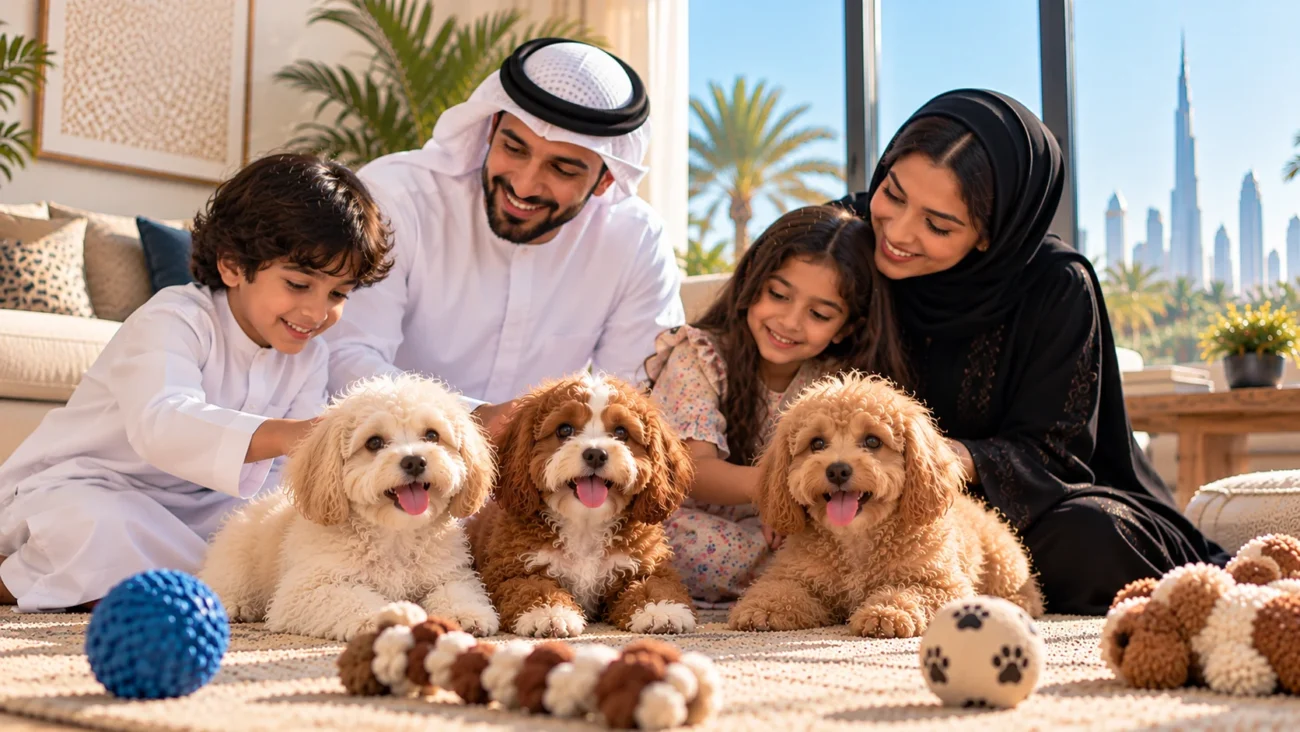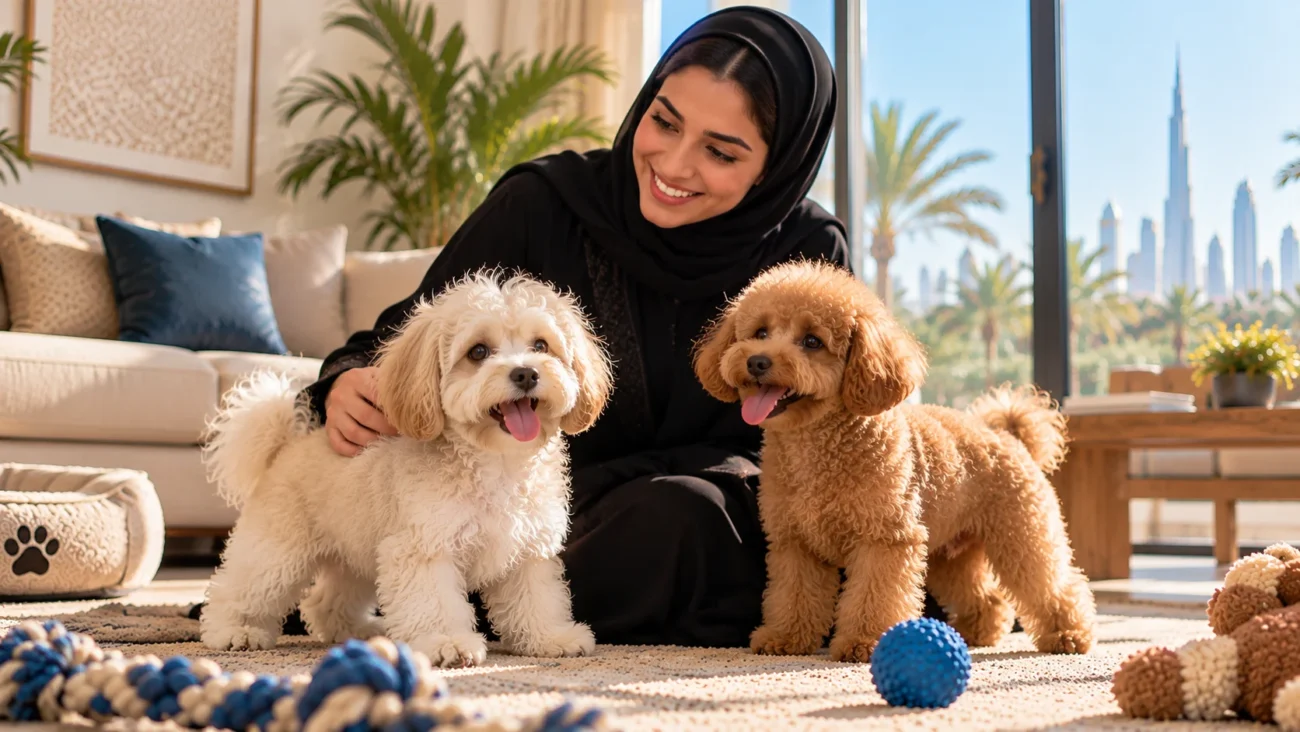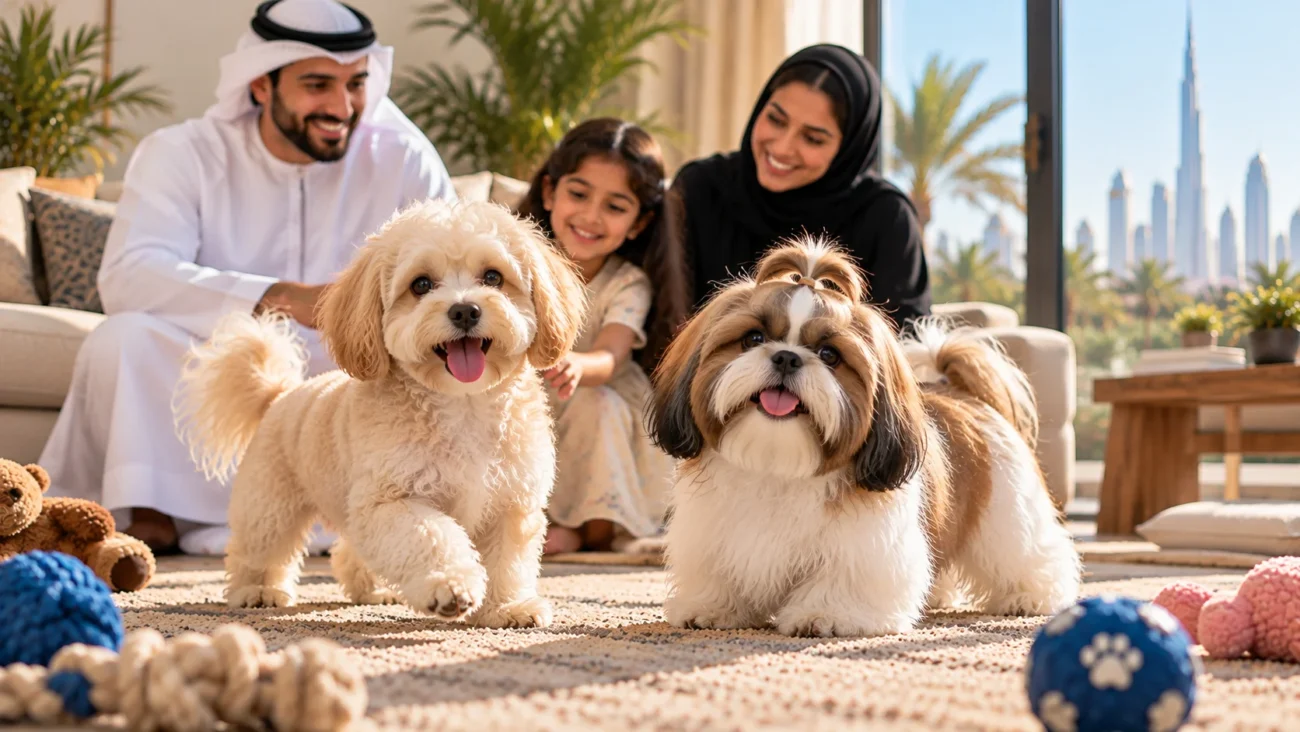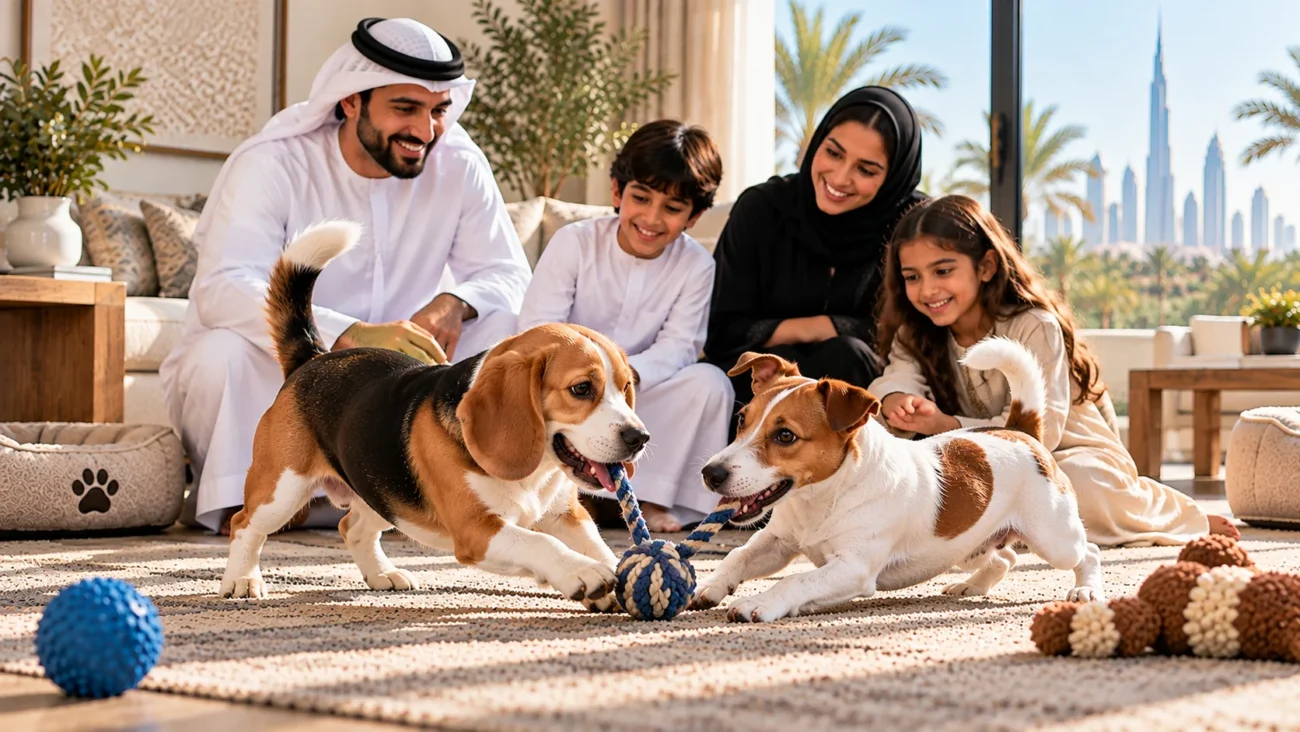





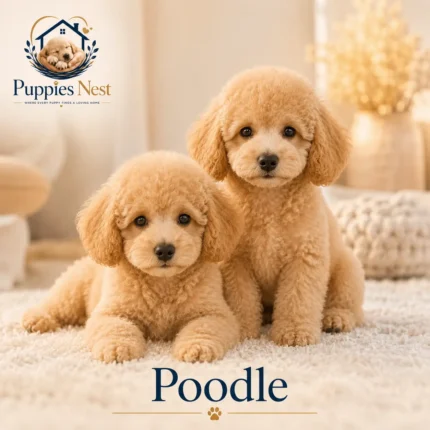
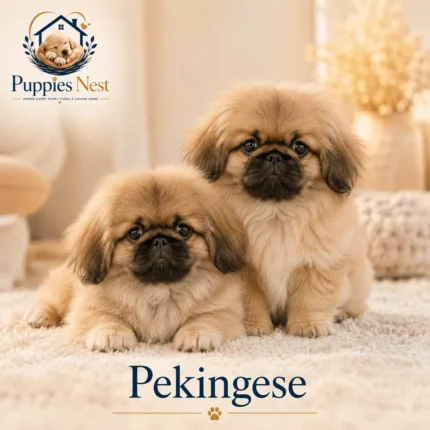



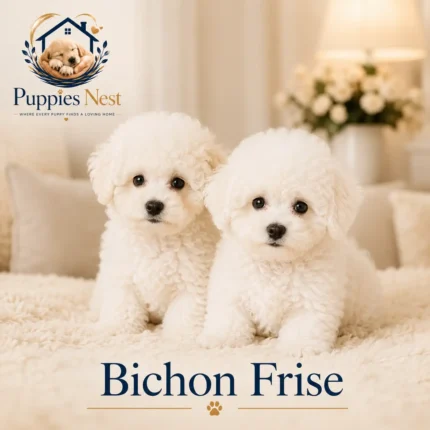
different dog breeds different dog breeds with pictures names of different dog breeds

Different Dog Breeds With Pictures: Names, Sizes, and Characteristics

Choosing a dog is not only about finding a breed that looks cute. Different dog breeds have different personalities, energy levels, grooming needs, training styles, and daily care requirements. A dog that is perfect for an active owner may not be the best choice for someone who prefers a calm companion.
This guide is designed as a complete reference to different dog breeds, including their names, sizes, appearance, temperament, grooming requirements, exercise needs, and general ownership considerations. It can also help you compare breeds before reading more detailed guides about a specific dog.
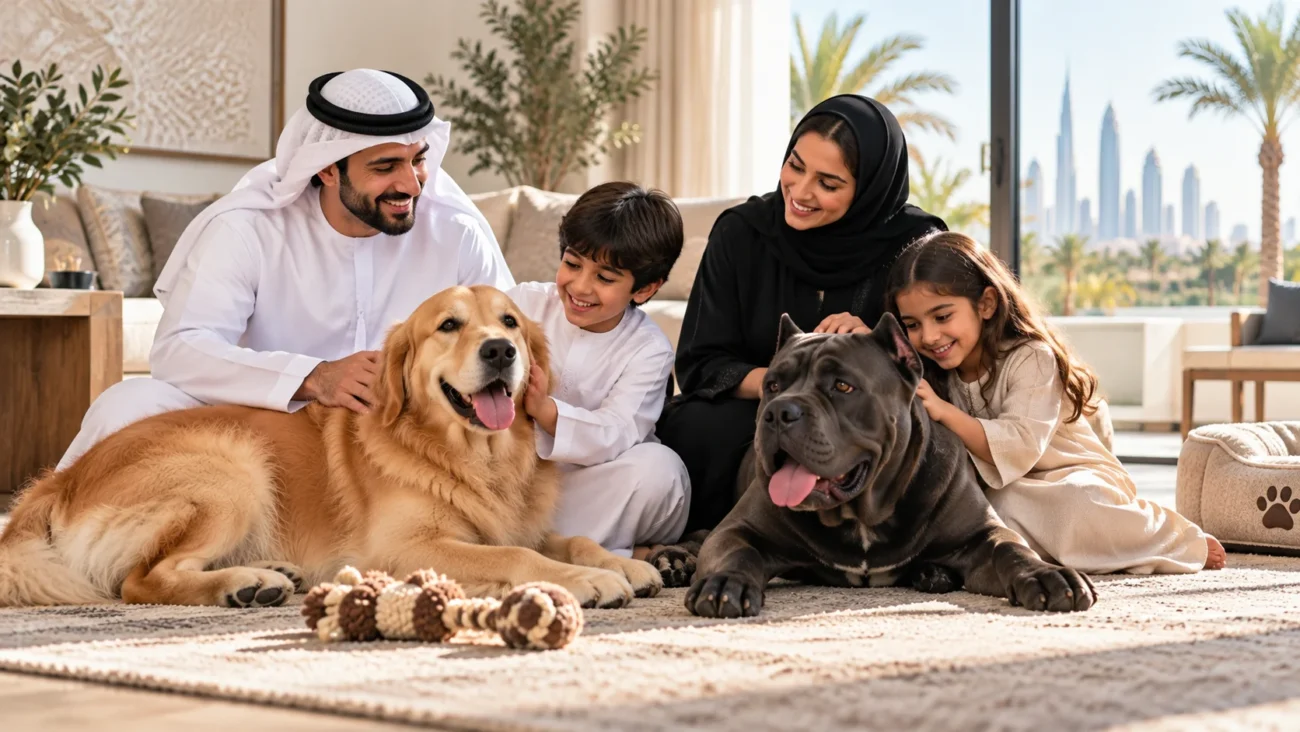
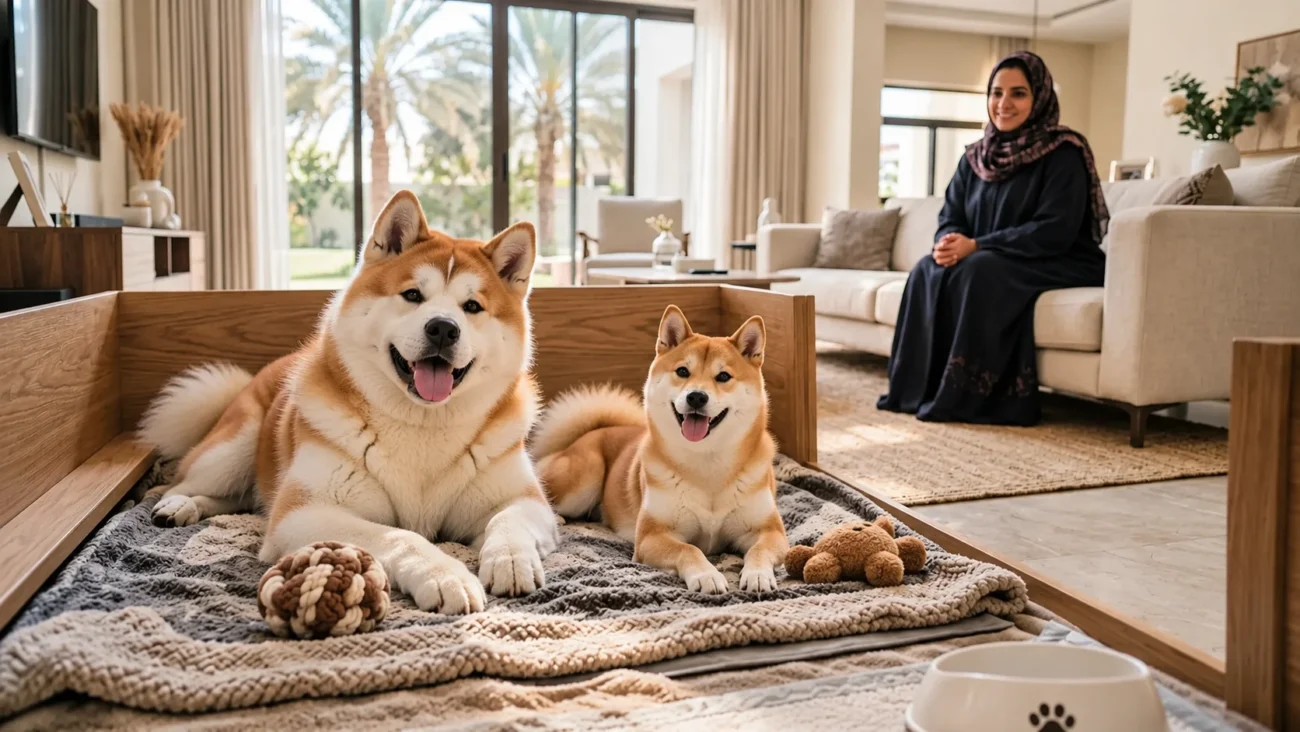
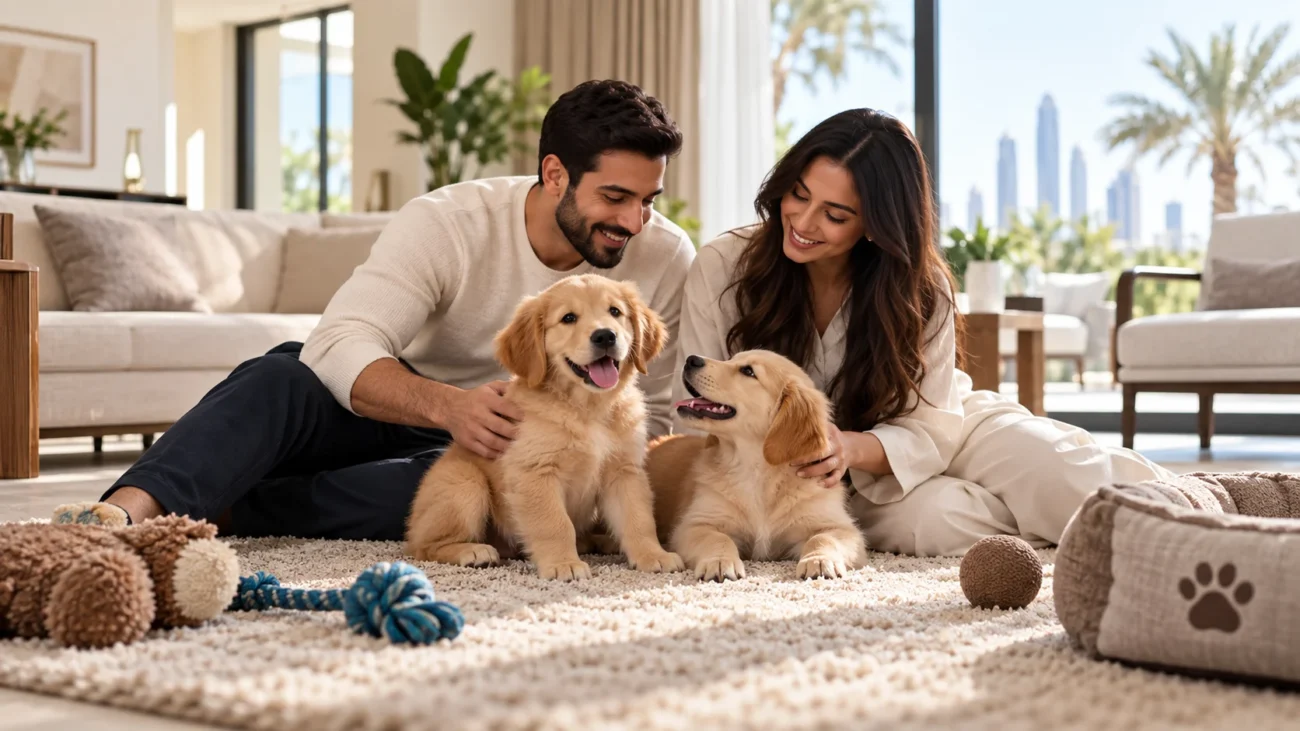
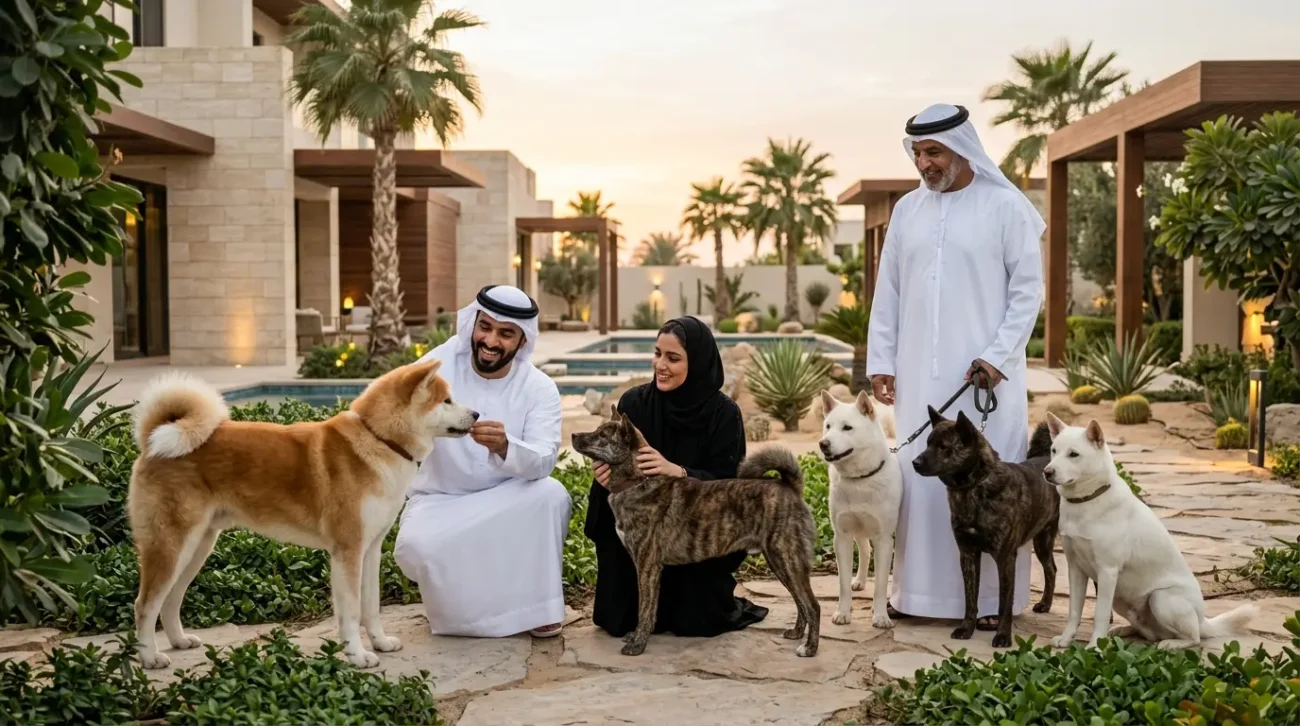
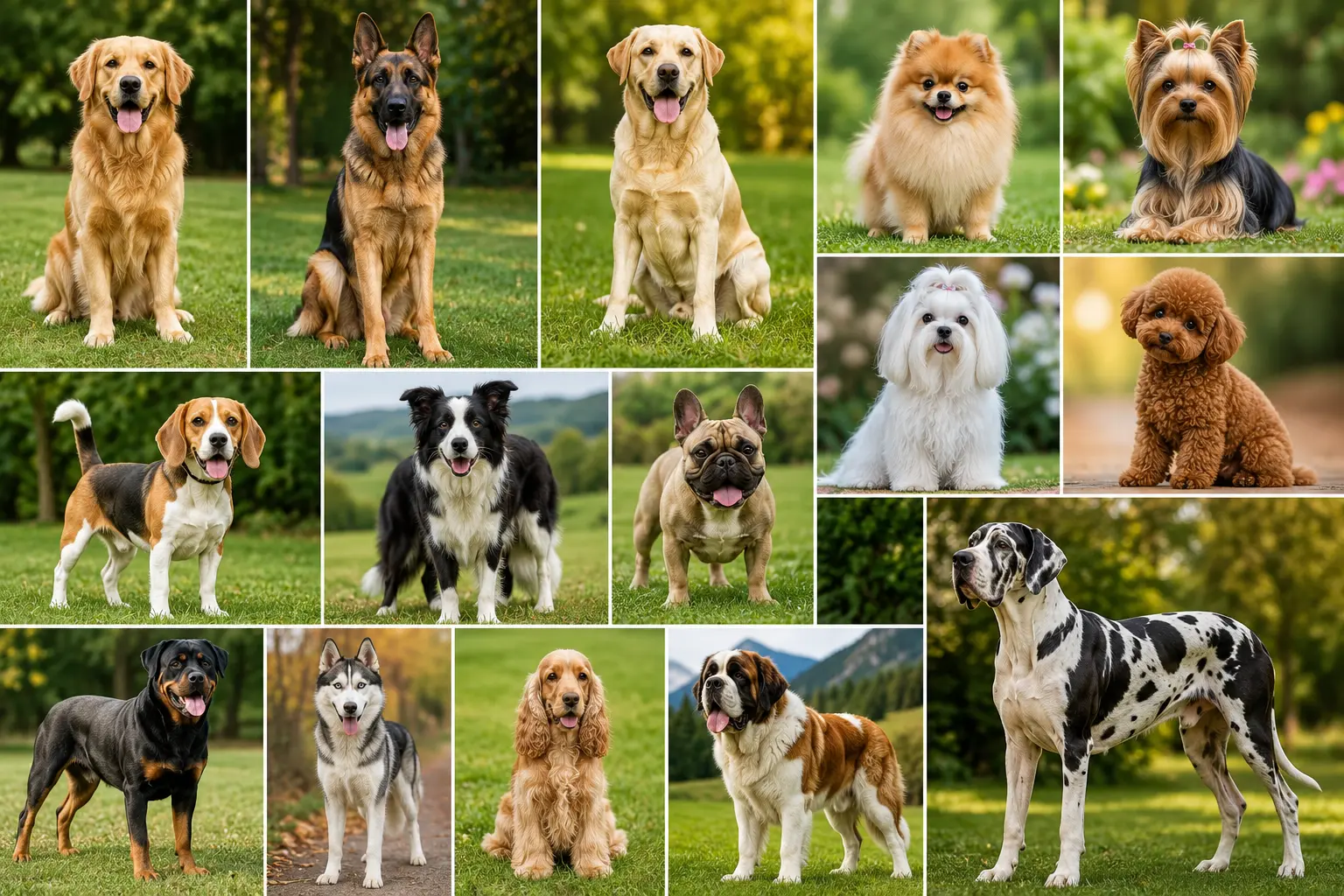
If you are searching for different dog breeds with pictures, visual comparisons can make it easier to understand how breeds differ in size, coat, body shape, and appearance. However, appearance should only be one part of the decision.

How Are Different Dog Breeds Classified?

Dog breeds can be organized in several ways. One of the easiest methods is by size, while another is by the breed’s traditional purpose or major breed group.
For everyday dog owners, size is often the simplest starting point:

  • Small dog breeds
  • Medium dog breeds
  • Large dog breeds
  • Giant dog breeds
    Within each size category, breeds can have completely different personalities and needs.
    For example, a small Chihuahua and a small Toy Poodle may both fit into a small home, but their exercise, training, grooming, and personality characteristics can be quite different.

Small Dog Breeds

Small dogs are popular among people who live in apartments or want a compact companion. Their smaller bodies can make transportation and indoor living easier, but small size does not mean that a dog requires no exercise or training.

different dog breeds
different dog breeds with pictures
names of different dog breeds
different dog breeds
different dog breeds with pictures
names of different dog breeds
different dog breeds
different dog breeds with pictures
names of different dog breeds

Chihuahua

The Chihuahua is one of the smallest recognized dog breeds. It has a compact body, large expressive ears, and a confident personality.
Size: Very small
Temperament: Alert, confident, lively, affectionate
Exercise: Low to moderate
Grooming: Low to moderate depending on coat type
Training: Benefits from early socialization and consistent positive training
Chihuahuas may be tiny, but many have strong personalities. They can become very attached to their owners and may be naturally alert to unfamiliar people.

Pomeranian

The pomeranian is a small, fluffy breed known for its thick coat and lively personality.
Size: Small
Temperament: Confident, playful, curious, alert
Exercise: Moderate
Grooming: High
Training: Generally responsive to positive reinforcement
The thick double coat requires regular brushing. Pomeranians can be active and should not be treated as decorative pets simply because they are small.

Maltese

The Maltese is a small companion breed recognized for its long, silky white coat.
Size: Small
Temperament: Affectionate, playful, social
Exercise: Low to moderate
Grooming: High
Training: Good with consistent positive reinforcement
Maltese dogs can adapt well to indoor living, but their coat requires regular maintenance.

Yorkshire Terrier

The Yorkshire Terrier is a tiny breed with a long, silky coat and a confident personality.
Size: Small
Temperament: Lively, confident, affectionate, alert
Exercise: Low to moderate
Grooming: High
Training: Good with consistency
Despite its small body, the Yorkshire Terrier can be energetic and enjoys interaction and play.

Shih Tzu

The shih tzu is a small companion breed with a long coat and friendly personality.
Size: Small
Temperament: Affectionate, friendly, playful
Exercise: Low to moderate
Grooming: High
Training: Moderate to good
Shih Tzus can be suitable for owners who want a companion that generally does not require intense physical exercise.

Toy Poodle

The Toy Poodle combines a very small body with high intelligence.
Size: Small
Temperament: Intelligent, active, alert, affectionate
Exercise: Moderate
Grooming: High
Training: Excellent
Toy Poodles often enjoy learning commands and tricks. Their intelligence means mental stimulation is just as important as physical activity.

know more about: smallest dog breeds price

Medium Dog Breeds

Medium-sized dogs can provide a balance between compact size and greater physical capability. Many are suitable for families and active owners, but their needs vary significantly.

different dog breeds
different dog breeds with pictures
names of different dog breeds
different dog breeds
different dog breeds with pictures
names of different dog breeds
different dog breeds
different dog breeds with pictures
names of different dog breeds

Beagle

The beagle is a small-to-medium hound known for its excellent sense of smell and friendly nature.
Size: Small to medium
Temperament: Friendly, curious, energetic
Exercise: Moderate to high
Grooming: Low
Training: Moderate
Beagles need opportunities to exercise and use their strong sense of smell. Secure outdoor areas are especially important because they may follow interesting scents.

Cocker Spaniel

The Cocker Spaniel is known for its attractive coat, expressive eyes, and affectionate personality.
Size: Medium
Temperament: Friendly, affectionate, active
Exercise: Moderate
Grooming: Moderate to high
Training: Generally good
Regular coat care is important, particularly around the ears and feathered areas.

Border Collie

The Border Collie is widely recognized as an intelligent and highly active working breed.
Size: Medium
Temperament: Intelligent, energetic, responsive
Exercise: High
Grooming: Moderate
Training: Excellent
This breed is usually better suited to owners who can provide substantial physical activity and mental stimulation.

French Bulldog

The French Bulldog is a compact breed with a muscular body and distinctive facial features.
Size: Small to medium
Temperament: Affectionate, playful, adaptable
Exercise: Low to moderate
Grooming: Low to moderate
French Bulldogs can be playful without requiring the same level of endurance as highly active working breeds. Because of their physical structure, owners should be careful with heat and strenuous exercise.

Large Dog Breeds

Large breeds generally need more living space, stronger equipment, and greater attention to exercise and nutrition.

different dog breeds
different dog breeds with pictures
names of different dog breeds
different dog breeds
different dog breeds with pictures
names of different dog breeds
different dog breeds
different dog breeds with pictures
names of different dog breeds

Golden Retriever

Golden Retrievers are popular family dogs known for their friendly nature and willingness to interact with people.
Size: Large
Temperament: Friendly, social, affectionate
Exercise: Moderate to high
Grooming: Moderate
Training: Excellent
Golden Retrievers generally enjoy activities that involve their owners, including walking, retrieving games, and training.

Labrador Retriever

The labrador retriever is one of the most popular companion and working breeds.
Size: Large
Temperament: Friendly, energetic, social
Exercise: High
Grooming: Moderate
Training: Excellent
Labs often have plenty of energy, particularly when young, and need regular physical activity.

German Shepherd

The German Shepherd is a versatile working breed known for its intelligence, loyalty, and athletic ability.
Size: Large
Temperament: Intelligent, loyal, alert, protective
Exercise: High
Grooming: Moderate to high
Training: Excellent
German Shepherds usually benefit from structured training and regular mental and physical activity.

Rottweiler

The dog rottweiler is a powerful and muscular breed that can be loyal and confident when responsibly bred, socialized, and trained.
Size: Large
Temperament: Confident, loyal, alert
Exercise: Moderate to high
Grooming: Low to moderate
Training: Good with experienced handling
Because of its strength and size, responsible training and socialization are particularly important.

Giant Dog Breeds

Giant breeds can be impressive companions, but their size creates additional responsibilities. Food costs, transportation, veterinary care, sleeping arrangements, and living space can all be more demanding.

different dog breeds
different dog breeds with pictures
names of different dog breeds
different dog breeds
different dog breeds with pictures
names of different dog breeds
different dog breeds
different dog breeds with pictures
names of different dog breeds

Great Dane

The Great Dane is one of the tallest dog breeds.
Size: Giant
Temperament: Generally friendly, gentle, affectionate
Exercise: Moderate
Grooming: Low
Training: Good with consistent training
Although enormous, Great Danes are often known for their gentle companion qualities.

Bernese Mountain Dog

The Bernese Mountain Dog is a large, powerful breed with a long, thick coat.
Size: Large to giant
Temperament: Gentle, affectionate, loyal
Exercise: Moderate
Grooming: High
Training: Good
Its thick coat requires regular brushing, particularly during shedding periods.

Saint Bernard

The Saint Bernard is a giant breed historically associated with rescue work in the Swiss Alps.
Size: Giant
Temperament: Gentle, patient, friendly
Exercise: Moderate
Grooming: Moderate to high
A Saint Bernard requires considerable space and owners who are prepared for the practical challenges of living with a very large dog.

know what is the cheap puppies for sale in Dubai

Different Dog Breeds by Major Breed Group

Size is useful, but it does not tell the whole story. Another way to understand different dog breeds is to consider their traditional purpose.

Sporting Dogs

Sporting breeds were traditionally developed to assist with hunting activities.
Examples include:

  • Labrador Retriever
  • Golden Retriever
  • Cocker Spaniel
  • English Springer Spaniel
    Many sporting breeds are active, social, and responsive to training.

Working Dogs

Working breeds were developed for jobs such as guarding, pulling, rescue, and other demanding tasks.
Examples include:

  • German Shepherd
  • Rottweiler
  • Siberian Husky
  • Bernese Mountain Dog
    These dogs can require substantial training and structured activity.

Herding Dogs

Herding breeds were developed to control and move livestock.
Examples include:

  • Border Collie
  • Australian Shepherd
  • Belgian Malinois
  • Shetland Sheepdog
    Many herding breeds are highly intelligent and need mental stimulation.

Hound Dogs

Hounds were developed primarily for tracking or hunting.
Examples include:

  • Beagle
  • Dachshund
  • Greyhound
  • Afghan Hound
    Their instincts can influence behavior such as chasing, tracking, or following scents.

Toy Dogs

Toy breeds were primarily developed as companion dogs and are generally small in size.
Examples include:

  • Chihuahua
  • Pomeranian
  • Maltese
  • Yorkshire Terrier
  • Shih Tzu
  • Toy Poodle
    Their small size can make them practical for indoor homes, but each breed still needs appropriate training and care.

Terrier Breeds

Terriers were historically developed to hunt and control small animals.
Examples include:

  • Yorkshire Terrier
  • Jack Russell Terrier
  • West Highland White Terrier
  • Scottish Terrier
    Terriers can be energetic, curious, and determined.

Different Dog Breeds With Pictures: A Quick Comparison

Breed Size Temperament Exercise Grooming
Chihuahua Very Small Alert, confident Low-Moderate Low-Moderate
Pomeranian Small Lively, confident Moderate High
Maltese Small Affectionate, playful Low-Moderate High
Yorkshire Terrier Small Confident, lively Low-Moderate High
Shih Tzu Small Friendly, affectionate Low-Moderate High
Toy Poodle Small Intelligent, active Moderate High
Beagle Small-Medium Friendly, curious Moderate-High Low
Cocker Spaniel Medium Affectionate, active Moderate Moderate-High
Border Collie Medium Intelligent, energetic High Moderate
French Bulldog Small-Medium Playful, affectionate Low-Moderate Low-Moderate
Golden Retriever Large Friendly, social Moderate-High Moderate
Labrador Retriever Large Friendly, energetic High Moderate
German Shepherd Large Loyal, intelligent High Moderate-High
Rottweiler Large Confident, loyal Moderate-High Low-Moderate
Great Dane Giant Gentle, affectionate Moderate Low

How to Choose Between Different Dog Breeds

There is no single dog breed that is perfect for everyone.
Before choosing a breed, consider your lifestyle.

Consider Your Home

A small apartment may be suitable for some small breeds, but apartment size alone should not determine your decision.
Consider barking, exercise requirements, and how much time the dog will spend alone.

Consider Your Daily Schedule

An active working breed may require much more time and attention than a low-energy companion breed.
Ask yourself how much time you can realistically dedicate to:

  • Walking.
  • Training.
  • Play.
  • Grooming.
  • Socialization.
  • Veterinary care.

Consider Grooming

Some breeds need regular professional grooming, while others have relatively simple coats.
If you do not have much time for grooming, avoid choosing a breed whose coat requires extensive daily maintenance simply because you like its appearance.

Consider Exercise

A dog that needs two hours of activity every day may not be a good match for someone who prefers a quiet lifestyle.
On the other hand, an active owner may enjoy a breed that loves running, hiking, retrieving, or training.

Consider Experience

Some breeds are easier for first-time owners than others.
Highly intelligent working breeds can be wonderful dogs, but their intelligence can also mean they need more structure and mental stimulation.

Different Dog Breeds for Families

Families should look beyond appearance when selecting a dog.
Potentially suitable family breeds can include:

  • Golden Retriever
  • Labrador Retriever
  • Cavalier King Charles Spaniel
  • Beagle
  • Cocker Spaniel
  • Poodle
    However, breed alone does not guarantee a particular temperament. Individual personality, socialization, training, age, and the family’s ability to supervise interactions all matter.
    Young children should always be supervised around dogs, especially very small or physically delicate breeds.

Different Dog Breeds for Apartments

People living in apartments often search for small dog breeds, but size is only one factor.
Some breeds that can adapt to apartment living include:

  • Chihuahua
  • Maltese
  • Shih Tzu
  • Yorkshire Terrier
  • French Bulldog
  • Japanese Chin
  • Cavalier King Charles Spaniel
    However, owners still need to consider barking, exercise, toilet training, and time spent alone.
    A small dog with very high energy may require more daily activity than a somewhat larger but calmer dog.

Different Dog Breeds for Active Owners

If you enjoy outdoor activities, you may prefer a breed with greater energy and endurance.
Examples include:

  • Border Collie
  • Australian Shepherd
  • Labrador Retriever
  • Golden Retriever
  • German Shepherd
  • Siberian Husky
    These breeds can be rewarding for active owners but may become frustrated when their physical and mental needs are consistently ignored.

Different Dog Breeds With Low Grooming Needs

If grooming time is an important consideration, some breeds have relatively simple coats.
Examples include:

  • Beagle
  • Chihuahua with a smooth coat
  • Labrador Retriever
  • Great Dane
  • Rottweiler
    Low grooming does not mean no grooming. Every dog still needs basic hygiene, nail care, dental care, ear checks, and regular veterinary attention.

Different Dog Breeds With High Grooming Needs

Some breeds require much more coat maintenance.
Examples include:

  • Poodle
  • Maltese
  • Yorkshire Terrier
  • Shih Tzu
  • Pomeranian
  • Afghan Hound
    Regular grooming can help prevent matting and maintain coat and skin health.

Different Dog Breeds and Exercise Needs

Exercise requirements can be very different even between breeds of similar size.

Exercise Level Example Breeds
Lower Japanese Chin, Shih Tzu, Great Dane
Moderate Maltese, Beagle, Golden Retriever
High Labrador Retriever, German Shepherd
Very High Border Collie, Australian Shepherd
These categories are general. Individual dogs can have different energy levels depending on age, health, personality, and lifestyle.

Dog Breed Names and Their Characteristics

When researching names of different dog breeds, it helps to create a comparison list rather than focusing on only one characteristic.
For example:

Dog Breed Main Characteristic
Chihuahua Tiny and confident
Pomeranian Fluffy and lively
Maltese Affectionate companion
Toy Poodle Intelligent and trainable
Beagle Curious and scent-driven
Border Collie Highly intelligent and active
Labrador Retriever Friendly and energetic
Golden Retriever Social and family-oriented
German Shepherd Intelligent and versatile
Great Dane Very large and generally gentle
This type of comparison can help readers decide which individual breed guide to explore next.

Do Different Dog Breeds Have Different Personalities?

Yes. Breed tendencies can influence behavior, but they do not completely determine an individual dog’s personality.
Two dogs from the same breed can behave differently because of:

  • Genetics.
  • Early socialization.
  • Training.
  • Environment.
  • Age.
  • Previous experiences.
  • Individual temperament.
    This is why breed research should be combined with observation of the individual dog.

Do Different Dog Breeds Need Different Training?

Yes.
A dog bred for retrieving may respond differently to activities than a dog bred for guarding or herding.
For example, highly intelligent herding breeds may enjoy complex training tasks, while companion breeds may respond particularly well to short, positive sessions.
Regardless of breed, training should focus on consistency, patience, positive reinforcement, and appropriate socialization.

How Climate Can Affect Dog Breed Selection

Climate should also be considered when choosing a dog.
In hot regions, owners need to think carefully about:

  • Coat type.
  • Exercise timing.
  • Access to air conditioning.
  • Water availability.
  • Heat tolerance.
  • Body structure.
    Dogs should not be left in hot environments for extended periods, and outdoor exercise should be planned around safer temperatures.
    Some breeds with heavy coats or certain physical structures may need additional care during hot weather.

How Much Does a Dog Breed Cost?

The purchase price of a dog can vary greatly depending on:

  • Breed.
  • Pedigree.
  • Age.
  • Health.
  • Vaccinations.
  • Lineage.
  • Coat color.
  • Seller.
  • Location.
    But the purchase price is only the beginning.
    Owners should also budget for:
  • Food.
  • Grooming.
  • Veterinary care.
  • Vaccinations.
  • Training.
  • Toys.
  • Bedding.
  • Identification.
  • Emergency care.
    A cheaper dog can still become expensive to care for if its needs are not properly planned for.

find out: dogs for sale in UAE price

Why You Should Not Choose a Dog Only by Appearance

Searching for different dog breeds with pictures is a useful way to discover breeds, but a photograph cannot tell you everything about a dog.
A beautiful breed may have:

  • High exercise needs.
  • Extensive grooming requirements.
  • Strong working instincts.
  • A need for experienced training.
  • Special health considerations.
    Instead of asking only, “Which dog looks best?”, ask:
    “Which dog’s needs fit my lifestyle?”
    That question can lead to a much better long-term decision.

Building a Dog Breed Reference Library

A good dog-breed resource should allow readers to move from a general comparison to detailed breed information.
For example, after reading about different dog breeds, a reader may want to explore individual guides covering:

  • Chihuahua care.
  • Pomeranian grooming.
  • Golden Retriever training.
  • Labrador exercise.
  • Toy Poodle care.
  • German Shepherd behavior.
  • Border Collie exercise.
  • Beagle training.
    This creates a useful pillar-and-cluster structure for a dog website and makes it easier for readers to find detailed information.

Final Thoughts

There are many different dog breeds, and each one has its own combination of appearance, personality, size, grooming requirements, exercise needs, and ownership considerations.
Small breeds such as Chihuahuas and Maltese can be practical companions for some homes, while active breeds such as Border Collies and Labrador Retrievers may be better suited to owners who can provide more exercise and stimulation. Large and giant breeds such as German Shepherds and Great Danes bring their own space, training, and care requirements.
If you are researching different dog breeds with pictures, use images as a starting point, but do not make your final decision based only on appearance.
The best dog breed is not necessarily the smallest, cutest, biggest, or most popular breed. It is the breed whose needs, temperament, activity level, grooming requirements, and general care fit your lifestyle.

FAQ About Different Dog Breeds

How many different dog breeds are there?

The exact number depends on the kennel club or classification system being used. Different organizations recognize different breeds, and some developing breeds may not yet be officially recognized everywhere.

What are the most popular dog breeds?

Popular breeds can vary by country and year. Labrador Retrievers, Golden Retrievers, German Shepherds, Poodles, French Bulldogs, and other companion breeds are widely known and popular in many regions.

What are the smallest dog breeds?

Examples include Chihuahua, Pomeranian, Maltese, Yorkshire Terrier, Toy Poodle, Papillon, and Japanese Chin.

What are the largest dog breeds?

Examples include Great Dane, Saint Bernard, Newfoundland, Irish Wolfhound, and Mastiff-type breeds.

Which dog breeds are best for families?

Potential family-friendly breeds include Golden Retrievers, Labrador Retrievers, Beagles, Cocker Spaniels, and some Poodles. However, individual temperament, training, supervision, and the family’s lifestyle are important.

Which dog breeds are best for apartments?

Some small companion breeds can adapt well to apartments, including Chihuahua, Maltese, Shih Tzu, and Japanese Chin. Apartment suitability depends on more than size.

Which dog breeds require the most grooming?

Poodles, Maltese, Yorkshire Terriers, Shih Tzus, Pomeranians, and other long or curly-coated breeds can require significant grooming.

Which dog breeds need the most exercise?

Border Collies, Australian Shepherds, Siberian Huskies, German Shepherds, and Labrador Retrievers can have relatively high exercise needs.

Are small dogs easier to care for?

Not always. Small dogs may require less space, but they can still need substantial grooming, training, exercise, dental care, and careful handling.

How should I choose between different dog breeds?

Compare your lifestyle, home, available time, exercise routine, grooming preferences, experience, and budget with the breed’s needs before making a decision.

Find the Right Dog Breed for Your Lifestyle

Exploring different dog breeds is the first step toward finding the right companion. Compare their sizes, personalities, grooming requirements, exercise needs, and ownership responsibilities before choosing a breed.
Looking for a puppy in the UAE? Explore Puppies Nest is the best online puppy store to  find a puppy that fits your home, lifestyle, and experience.