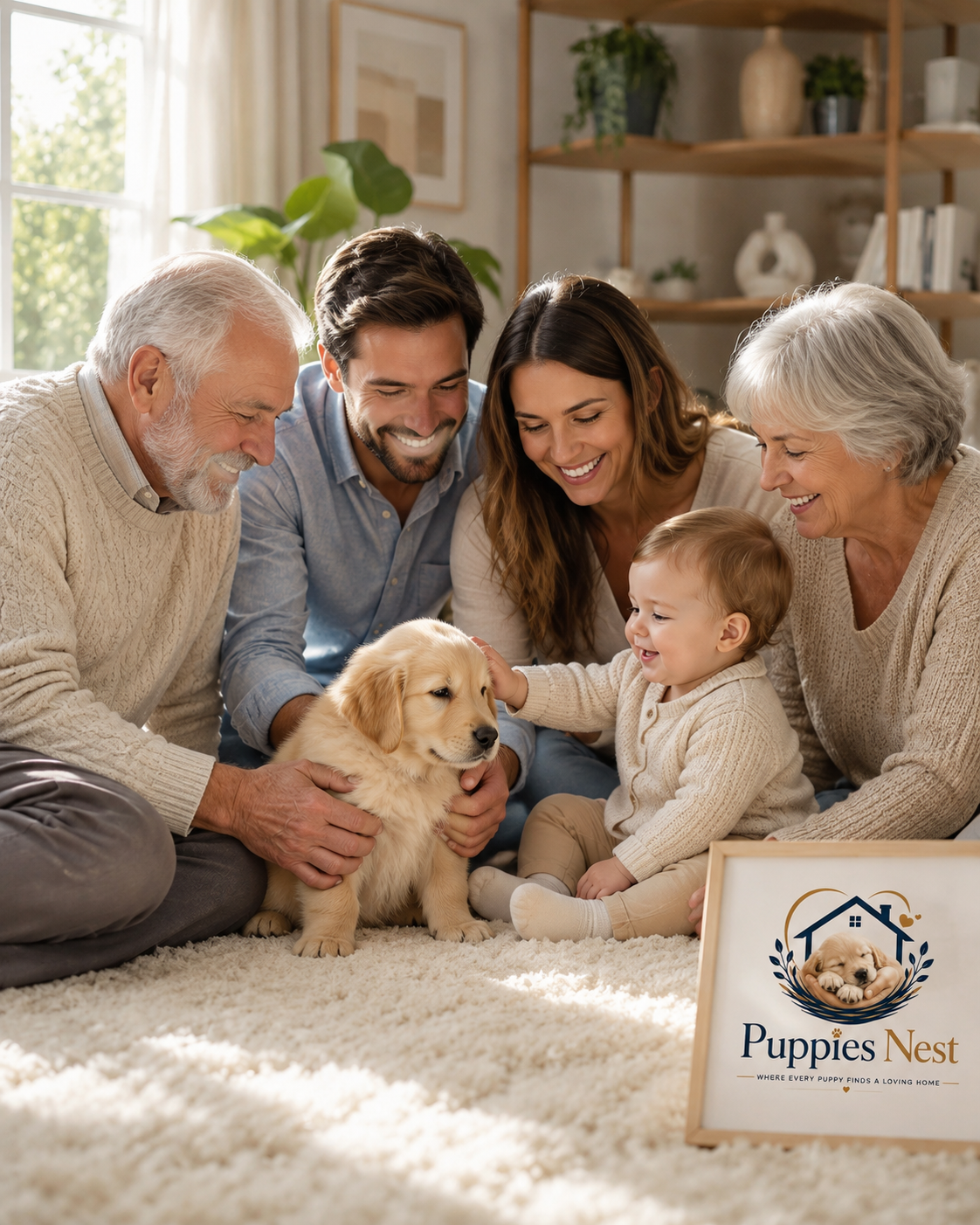









































Choosing a dog is an exciting decision, but it is also one that deserves careful thought. People searching for dogs for sale in UAE may initially focus on breed, appearance, age, or availability. However, finding the right dog involves much more than choosing the one that looks appealing. Every dog has its own personality, energy level, grooming requirements, exercise needs, and behavioral characteristics.
A dog can become a long-term companion and an important part of a household. That means prospective owners should understand what they are committing to before bringing one home. The right choice depends on whether the dog’s needs match the owner’s lifestyle, living environment, experience, schedule, and ability to provide consistent care.
This guide explains the most important things to know about choosing and caring for a dog. From understanding different sizes and temperaments to preparing your home, managing nutrition, training, grooming, exercise, and veterinary care, each step can help create a healthier and more enjoyable relationship between a dog and its owner.
What Makes Dogs Different From One Another?
Dogs may share many basic characteristics, but they can differ significantly in their physical and behavioral needs. Two dogs of similar size can have completely different energy levels, while two dogs of the same breed can develop different personalities depending on genetics, upbringing, socialization, and environment.
Some dogs are naturally energetic and may enjoy long walks, games, and activities throughout the day. Others are more relaxed and may be comfortable with shorter periods of exercise combined with plenty of rest. Some dogs are highly social and enjoy being around people, while others may need more time to become comfortable in unfamiliar situations.
When choosing a dog, consider several characteristics rather than focusing on appearance alone:
- Size: A dog’s adult size affects space, food requirements, handling, and exercise.
- Energy level: High-energy dogs generally require more physical and mental activity.
- Temperament: Individual dogs can be confident, sensitive, playful, independent, or highly social.
- Grooming needs: Coat type can determine how frequently brushing and professional grooming are required.
- Training requirements: Some dogs may need more patience and consistency during training.
- Social needs: Some dogs prefer frequent interaction, while others are more independent.
- Age: Puppies, adults, and senior dogs have different physical and behavioral requirements.
There is no single type of dog that is perfect for every household. The better approach is to understand what a particular dog needs and determine whether you can realistically provide it.
Small vs. Large Dogs: Which May Suit Your Lifestyle?
Size is one of the first things many people consider when choosing a dog. However, size alone does not determine how easy a dog is to care for. Small dogs can be energetic and demanding, while some large dogs can have calm and relaxed personalities.
| Feature | Small Dogs | Large Dogs |
|---|---|---|
| Living space | May adapt well to smaller homes | Usually benefit from adequate space |
| Food requirements | Generally lower | Generally higher |
| Physical handling | Easier to carry or physically manage | Requires greater physical control |
| Exercise | Varies significantly by breed and individual | Often requires appropriate daily activity |
| Accessories | Usually smaller and easier to store | Larger beds, crates, and equipment may be needed |
| Grooming | Depends on coat rather than size alone | Depends on coat rather than size alone |
| Training | Still requires consistent training | Consistent training is particularly important for handling |
People looking at small dogs for sale should still research the individual dog’s temperament and requirements instead of assuming that a smaller dog automatically requires less care.
Small dogs can be convenient for some households because they are physically easier to manage, but many have plenty of energy and can benefit from regular walks, play, training, and social interaction. Likewise, larger dogs may require more physical space and food, but some can have relatively calm personalities.
The important question is not simply whether a dog is small or large. It is whether its overall needs fit your household.
High-Energy vs. Low-Energy Dogs
Energy level can have a major impact on everyday life with a dog. Owners who enjoy outdoor activities may be comfortable with an energetic dog that needs frequent exercise. Someone with a quieter lifestyle may prefer a dog with lower activity requirements.
| Characteristic | Higher-Energy Dogs | Lower-Energy Dogs |
|---|---|---|
| Exercise | Usually needs more daily activity | Usually needs less intense activity |
| Mental stimulation | Often benefits from frequent challenges | Still needs enrichment |
| Play | May seek frequent games | May prefer shorter play sessions |
| Training | Can benefit from structured activities | Can also benefit from regular training |
| Owner lifestyle | Often suits active households | May suit calmer routines |
| Rest | Still needs adequate recovery time | May naturally spend more time resting |
A low-energy dog should not be interpreted as a dog that requires no exercise. Every dog needs an appropriate amount of movement and mental stimulation.
Similarly, a high-energy dog is not necessarily difficult or badly behaved. Problems can occur when a dog’s activity needs are consistently ignored. Boredom and insufficient stimulation can contribute to unwanted behaviors such as excessive chewing, barking, or restlessness.
Understanding energy level before choosing a dog can therefore make everyday ownership considerably easier.
How Do You Choose the Right Dog for Your Lifestyle?
Choosing a dog should begin with your lifestyle rather than the dog’s appearance.
Start by considering how much time you can realistically dedicate to the dog every day. A dog may need feeding, exercise, training, grooming, companionship, and supervision. These responsibilities continue even when the owner has a busy work schedule or other commitments.
Your living environment is another important factor. An apartment can be suitable for some dogs if their exercise and mental stimulation needs are properly met. A larger home does not automatically guarantee that a dog will receive enough activity.
Consider the following questions before making a decision:
- How many hours will the dog spend alone each day?
- How much time can you dedicate to exercise?
- Are you prepared for regular training?
- Does anyone in the household have allergies or other concerns?
- Are there children or other pets at home?
- Can you afford ongoing veterinary and care expenses?
- Are you comfortable with regular grooming?
- What will happen to the dog when you travel?
- Are you prepared to care for the dog as it becomes older?
Your previous experience with dogs should also influence your decision. Someone getting a first dog may benefit from choosing a companion whose needs match their experience level, while an experienced owner may be comfortable managing more demanding training or exercise requirements.
The goal is not to find the “best” dog in general. The goal is to find a dog whose needs and personality can realistically fit into your life.
Puppies vs. Adult Dogs
The decision between a puppy and an adult dog is another important consideration.
| Factor | Puppies | Adult Dogs |
|---|---|---|
| Training | Usually requires extensive foundational training | May already know some commands |
| Supervision | Usually requires more | Often requires less constant supervision |
| House training | Needs to be established | May already be trained |
| Temperament | Still developing | Often easier to evaluate |
| Routine | Must be created | May already have established habits |
| Socialization | Important during development | Still important throughout life |
| Adjustment | Requires patience during early development | Still needs time to adapt to a new home |
Puppies can be rewarding because owners have the opportunity to establish routines and training from an early age. However, they also require significant patience. House training, chewing, socialization, basic commands, and appropriate boundaries all take time.
Adult dogs can offer different advantages. Their personality may be easier to understand, and some may already have experience with basic household routines. However, adult dogs can also arrive with established habits that require adjustment.
Neither option is automatically better. The appropriate choice depends on your expectations, experience, schedule, and willingness to provide the required care.
What Should You Know Before Getting a Dog?
Dog ownership involves responsibilities that extend well beyond the initial decision to bring a dog home.
Food is only one recurring expense. Owners may also need to budget for veterinary examinations, vaccinations, preventive care, grooming, training, toys, bedding, accessories, and unexpected expenses.
Time is another important consideration. Dogs need consistent routines and interaction. Even when a dog does not require intensive exercise, it still needs attention, companionship, and opportunities to engage with its environment.
Travel should also be considered. If you regularly leave home for several days, you need a reliable plan for your dog’s care. This might involve a trusted family member, professional pet sitter, or suitable boarding arrangement.
The dog’s needs may also change throughout its life. A young puppy may require frequent supervision, while a senior dog may eventually need additional veterinary monitoring or changes to its daily routine.
Responsible ownership means being prepared for those changes rather than focusing only on the first few months.

Dogs for Sale in UAE: What Should You Consider Before Buying?
When looking at dogs for sale in UAE, prospective owners should evaluate the dog itself and the source carefully rather than making an immediate decision based on appearance or availability.
A responsible seller or breeder should be willing to provide useful information about the dog’s background and general condition. Buyers should have an opportunity to ask questions and understand what they are taking responsibility for.
Important points to consider include:
- The dog’s general physical condition
- Available health information
- Vaccination records
- Identification or documentation where applicable
- The dog’s age
- Temperament and behavior
- Living conditions
- Information about the dog’s background
- Feeding and care requirements
- Any known health concerns
Pay attention to how the dog behaves in its environment. While one short interaction cannot reveal everything about a dog’s personality, observing the dog’s behavior can provide useful information.
It is also important to avoid feeling pressured into making a quick decision. A dog is a long-term commitment, so prospective owners should have enough information to decide whether the dog is genuinely suitable for their household.
Dogs for Sale in UAE Price: What Can Affect the Cost?
The dogs for sale in UAE price can vary considerably depending on several factors. There is no single price that applies to every dog because the overall cost can be influenced by breed, age, health, pedigree, training, availability, and the source from which the dog is obtained.
Other factors can also affect the initial cost, including documentation, previous veterinary care, and the characteristics of a particular dog.
However, the initial amount paid for a dog should never be viewed as the total cost of ownership.
Before making a decision, prospective owners should think about recurring expenses such as:
- Quality food
- Routine veterinary care
- Vaccinations
- Preventive treatments
- Grooming
- Training
- Toys and enrichment
- Bedding and accessories
- Boarding or pet care during travel
- Unexpected veterinary expenses
A lower initial purchase cost does not necessarily mean that a dog will be less expensive to own over time. Similarly, paying more initially does not guarantee that a particular dog will be a better fit.
The most useful approach is to evaluate the dog’s suitability and health first, then consider whether the overall financial commitment is realistic.
What Is Included in the Long-Term Cost of Dog Ownership?
The financial responsibility of owning a dog continues after the initial purchase or adoption.
Food is one of the most predictable recurring expenses, but its cost depends on factors such as the dog’s size, age, activity level, and dietary requirements.
Veterinary care is another essential part of the budget. Routine checkups can help monitor a dog’s general health, while vaccinations and preventive care may be recommended according to the dog’s individual needs and veterinary guidance.
Grooming costs can also vary significantly. A dog with a coat that requires frequent professional grooming may require a different budget from a dog with relatively simple grooming needs.
Owners should also leave room for unexpected expenses. Illnesses, injuries, damaged equipment, or changes in a dog’s needs can create additional costs.
Planning financially before getting a dog can help prevent difficult decisions later.
How Should You Prepare Your Home for a Dog?
Preparing the home before a dog arrives can make the transition easier for everyone.
Start by creating a dedicated area where the dog can rest without being constantly disturbed. This does not need to be a large space, but it should be comfortable and safe.
Basic supplies may include:
- Food and water bowls
- Appropriate food
- Comfortable bedding
- Collar and identification
- Leash
- Suitable toys
- Grooming supplies
- Cleaning products
- Appropriate storage for food
- Safe resting area
If you are bringing home a puppy, inspect the home from the puppy’s perspective. Remove or secure objects that could be chewed, swallowed, knocked over, or damaged.
Electrical cables, small objects, cleaning products, medications, and certain household plants may need to be kept out of reach.
A safe environment reduces unnecessary risks while allowing the dog to gradually learn household boundaries.
What Should Dogs Eat?
A dog’s nutritional requirements can change according to age, size, activity level, and health.
Puppies are developing rapidly and have different nutritional needs from adult dogs. Senior dogs may also require different nutritional considerations as their activity level and physical needs change.
A sensible feeding routine should include:
- Appropriate food for the dog’s life stage
- Consistent meal times
- Suitable portion sizes
- Fresh drinking water
- Controlled treats
- Monitoring of body condition
Owners should avoid assuming that human food is automatically safe for dogs. Some foods commonly found in households can be harmful to them.
Portion control also matters. Overfeeding can contribute to unhealthy weight gain, which may affect mobility and general health.
If a dog has a medical condition or unusual nutritional requirement, dietary decisions should be discussed with a qualified veterinarian rather than based solely on general online advice.
Grooming and Hygiene
Grooming is not simply about keeping a dog looking clean. Regular grooming can also support hygiene and give owners an opportunity to notice changes in the dog’s skin, coat, ears, paws, or nails.
The exact routine depends on the dog’s coat and individual needs.
Basic grooming may include:
- Regular brushing
- Bathing when appropriate
- Nail trimming
- Ear care
- Dental hygiene
- Coat maintenance
Some dogs may require frequent brushing because of their coat type, while others may need less. Professional grooming may also be useful for certain coats.
Dental care deserves particular attention. Owners should establish an appropriate dental hygiene routine and discuss professional dental care with their veterinarian when necessary.
Exercise and Daily Activity
Exercise should be viewed as an essential part of a dog’s routine rather than an optional activity.
Walking can provide both physical movement and opportunities to experience different sights, sounds, and smells. Play can also provide exercise while strengthening the relationship between a dog and its owner.
Other activities can include:
- Fetch
- Appropriate running
- Interactive games
- Training exercises
- Outdoor exploration
- Scent-based games
The right amount of exercise varies. A young, energetic dog may need considerably more activity than an older dog, while health conditions can also affect what type and amount of exercise is appropriate.
Owners should avoid comparing their dog directly with another dog. Instead, observe the individual dog’s behavior, fitness, age, and health.
Basic Dog Training
Training helps dogs understand household expectations and can make everyday life safer and easier.
Start with simple skills such as:
- Responding to their name
- Sit
- Stay
- Come
- Leave it
- Walking on a leash
- House training
- Calm behavior
Positive reinforcement can make learning clearer by rewarding behaviors the owner wants the dog to repeat. Rewards can include treats, praise, toys, or other forms of positive interaction.
Consistency is equally important. If one person allows a behavior while another consistently prohibits it, the dog may struggle to understand the household rules.
Training does not need to consist of long sessions. Short, frequent sessions can be incorporated into everyday activities.
For example, a dog can practice sitting before receiving food or waiting calmly before going through a door.
Socialization
Socialization helps dogs become familiar with different people, environments, sounds, and experiences.
A well-socialized dog is not necessarily a dog that wants to interact with everyone. Instead, the goal is to help the dog respond appropriately and confidently to everyday situations.
Gradual exposure can include:
- Different people
- Household sounds
- New environments
- Safe surfaces
- Appropriate dogs
- Car journeys
- Everyday activities
Experiences should be introduced at a suitable pace. Forcing a nervous dog into an overwhelming situation can make the experience more stressful.
Positive and controlled exposure can help dogs develop confidence while teaching them that unfamiliar situations do not necessarily represent a threat.
Mental Stimulation
Physical exercise is only one part of keeping a dog engaged.
Dogs also benefit from activities that require them to think, investigate, and learn. Mental stimulation can be especially useful on days when outdoor activity needs to be reduced.
Options include:
- Puzzle toys
- Scent games
- Interactive toys
- Learning new commands
- Searching for hidden treats
- Safe exploration
Training itself is a form of mental stimulation. Teaching a dog a new command requires concentration and communication between the dog and owner.
Activities should be adjusted to the dog’s ability. A challenge that is too difficult may cause frustration, while an activity that is too easy may quickly become boring.
Dogs and Family Life
Dogs can become closely connected to family life, but everyone in the household should understand how to interact with them appropriately.
Children should be taught not to pull a dog’s ears or tail, disturb it while eating or sleeping, or climb onto it. Young children should also be supervised when interacting with dogs.
Adults should establish consistent household rules so that the dog receives the same expectations from different family members.
If other pets already live in the home, introductions should be gradual and controlled. Compatibility should never be assumed simply because two animals are both considered friendly.
Giving each animal enough space and allowing them to adjust at their own pace can help reduce unnecessary stress.
Dogs Price in UAE: What Else Should Owners Budget For?
When considering dogs price in UAE, it is important to separate the initial cost of getting a dog from the ongoing cost of caring for one.
A responsible budget should consider everyday and occasional expenses rather than focusing exclusively on the amount paid to obtain the dog.
| Expense | Why It Matters |
|---|---|
| Food | Provides regular nutrition |
| Veterinary care | Supports ongoing health monitoring |
| Vaccinations | Helps maintain preventive care |
| Grooming | Maintains hygiene and coat condition |
| Training | Helps establish safe and desirable behavior |
| Toys | Provides enrichment and activity |
| Accessories | Includes essentials such as leashes and bedding |
| Boarding or pet care | Useful when owners travel |
| Emergency expenses | Provides a buffer for unexpected situations |
The amount an owner spends can differ depending on the dog’s size, age, health, coat, lifestyle, and individual needs.
This is why prospective owners should think about affordability over the dog’s entire lifetime rather than asking only about the initial purchase price.
How Can You Keep Dogs Safe in Hot Weather?
Hot weather deserves particular attention for owners living in the UAE.
Dogs can be affected by high temperatures, and outdoor routines may need to change depending on weather conditions. Instead of assuming that a normal walking schedule is always appropriate, owners should consider the conditions each day.
Useful precautions include:
- Scheduling walks during cooler periods
- Providing constant access to fresh water
- Keeping dogs in a cool indoor environment
- Providing shade when outdoors
- Avoiding very hot surfaces
- Adjusting exercise when conditions are uncomfortable
- Watching for unusual signs of heat-related distress
Pavement and other outdoor surfaces can become extremely hot and may be uncomfortable or harmful to a dog’s paws.
Owners should also remember that individual dogs can respond differently to heat. Age, size, coat type, health, and activity level can all influence how a dog handles warm conditions.
If a dog appears seriously distressed, veterinary assistance should be sought promptly.
How Should You Evaluate a Responsible Seller?
When considering dogs for sale, responsible decision-making should be more important than making the fastest purchase.
A prospective owner should feel comfortable asking questions about the dog’s background, health, vaccinations, care routine, and temperament.
Look for:
- Clear health information
- Vaccination records
- Appropriate living conditions
- Good general condition
- Transparent information
- Opportunity to ask questions
- Reasonable information about the dog’s background
- Willingness to discuss the dog’s needs
Be cautious if you are discouraged from asking questions or pressured to make an immediate decision.
The goal is not simply to find a dog that is available. It is to determine whether the dog is healthy, appropriately cared for, and suitable for your household.
Finding Dogs in Dubai: What Should Buyers Look For?
People searching for Dubai dogs for sale may have many options to consider, but location should not be the only factor influencing their decision.
A nearby dog may be convenient to meet, but convenience does not replace responsible evaluation.
Before committing, consider:
- The dog’s health
- Temperament
- Age
- Expected adult size
- Exercise needs
- Grooming requirements
- Background
- Available records
- Whether the dog fits your lifestyle
It is also useful to prepare questions before contacting a seller or source. Having a clear list can help you compare information and avoid making an emotional decision based purely on photographs.
What Should You Know Before Choosing Dogs for Sale in Dubai?
Anyone searching for dogs for sale in Dubai should first determine what type of companion actually fits their lifestyle.
Think about the dog’s expected adult size rather than its current appearance. A puppy can grow considerably, and its future exercise, food, training, and space requirements should be considered from the beginning.
Also think about the dog’s personality. A highly active dog may not be the right match for someone who prefers a quiet lifestyle, while a very social dog may struggle if it regularly spends long periods alone.
Before making a decision, ask yourself whether you can provide the dog with appropriate care not only today, but throughout its life.
Common Mistakes New Dog Owners Make
New owners can sometimes focus heavily on the excitement of getting a dog and overlook practical responsibilities.
1. Choosing Based Only on Appearance
A dog may look appealing without being a good match for your lifestyle. Consider temperament, size, energy, grooming, and long-term needs.
2. Underestimating Exercise
Dogs need appropriate physical activity, even if they live in a home with plenty of indoor space.
3. Skipping Training
Basic training can improve communication, safety, and everyday behavior.
4. Ignoring Socialization
Dogs benefit from gradual exposure to appropriate people, environments, and experiences.
5. Overfeeding
Extra food and treats can contribute to unhealthy weight gain.
6. Neglecting Dental Care
Dental hygiene is an important part of overall dog care and should not be ignored.
7. Failing to Prepare the Home
Removing hazards before the dog arrives can prevent avoidable accidents.
8. Ignoring Veterinary Costs
Routine care and unexpected medical expenses should be included in the ownership budget.
9. Expecting Immediate Obedience
Dogs need time, repetition, and consistent communication to learn new behaviors.
10. Forgetting That Dogs Age
A dog’s needs can change significantly throughout its life. Owners should be prepared to adapt their care routine.
How Can You Build a Healthy Daily Routine?
A predictable routine can help a dog understand what to expect each day.
A basic routine might include morning exercise, feeding, rest, short training sessions, and opportunities for play or mental stimulation.
For example:
- Morning: Bathroom break and appropriate exercise.
- Breakfast: Feed the dog according to its established routine.
- Training: Practice a few basic commands.
- Rest: Allow sufficient quiet time.
- Afternoon: Provide mental stimulation or appropriate activity.
- Evening: Walk or play according to the dog’s needs.
- Night: Provide a calm sleeping environment.
The exact schedule should be adjusted according to the dog’s age, health, energy level, and household routine.
Consistency is more important than following a rigid timetable.
Frequently Asked Questions
What should I consider before buying a dog?
Consider the dog’s size, temperament, energy level, grooming requirements, exercise needs, health, and whether its overall lifestyle fits your household.
Are small dogs easier to care for?
Not necessarily. Small dogs may require less physical space, but they can still have significant exercise, training, grooming, and social needs.
How much exercise does a dog need?
It depends on the dog’s age, health, breed characteristics, and individual energy level. The exercise routine should be appropriate for the specific dog rather than based on a universal number.
How much does it cost to own a dog in the UAE?
The cost varies according to factors such as food, veterinary care, grooming, training, accessories, and the dog’s individual needs. The initial purchase price is only one part of the overall expense.
Is it better to get a puppy or an adult dog?
Neither is automatically better. Puppies generally require more supervision and training, while adult dogs may have more predictable temperaments and established habits.
How can I keep my dog safe in UAE’s hot weather?
Provide fresh water, choose cooler times for outdoor activities, avoid very hot surfaces, maintain a cool indoor environment, and monitor your dog for signs of heat-related distress.
What should I check before buying a dog?
Look at the dog’s general condition, health and vaccination information, temperament, background, and living conditions. Ask questions and avoid making an impulsive decision.
Why should I choose Puppies Nest?
Choosing Puppies Nest means having a more guided experience when selecting a new puppy. We focus on helping customers make informed decisions by providing information about puppies, their care requirements, health information, and suitability for different lifestyles.
Our goal is to make choosing a new companion easier and more transparent while helping customers understand the responsibility that comes with dog ownership. From exploring available puppies to getting useful guidance before bringing one home, Puppies Nest aims to support customers throughout an important decision and help them find a companion that can become a genuine part of their family.