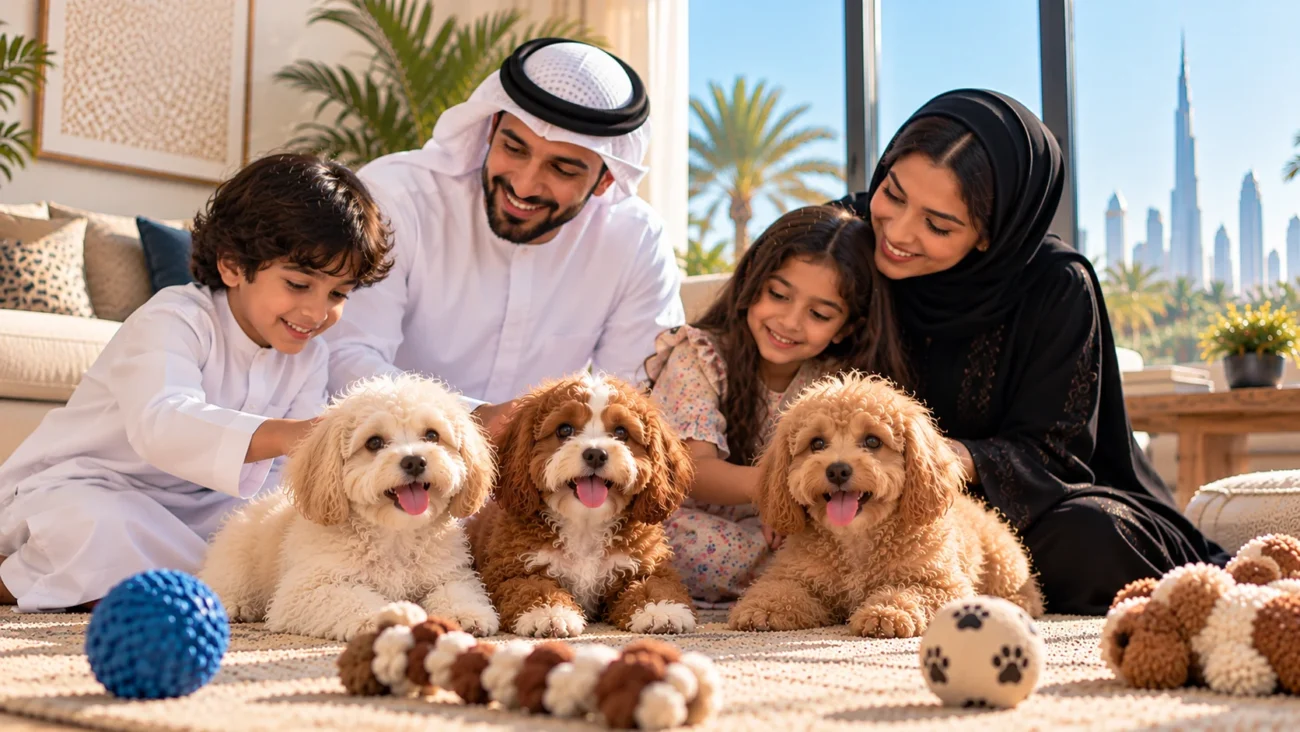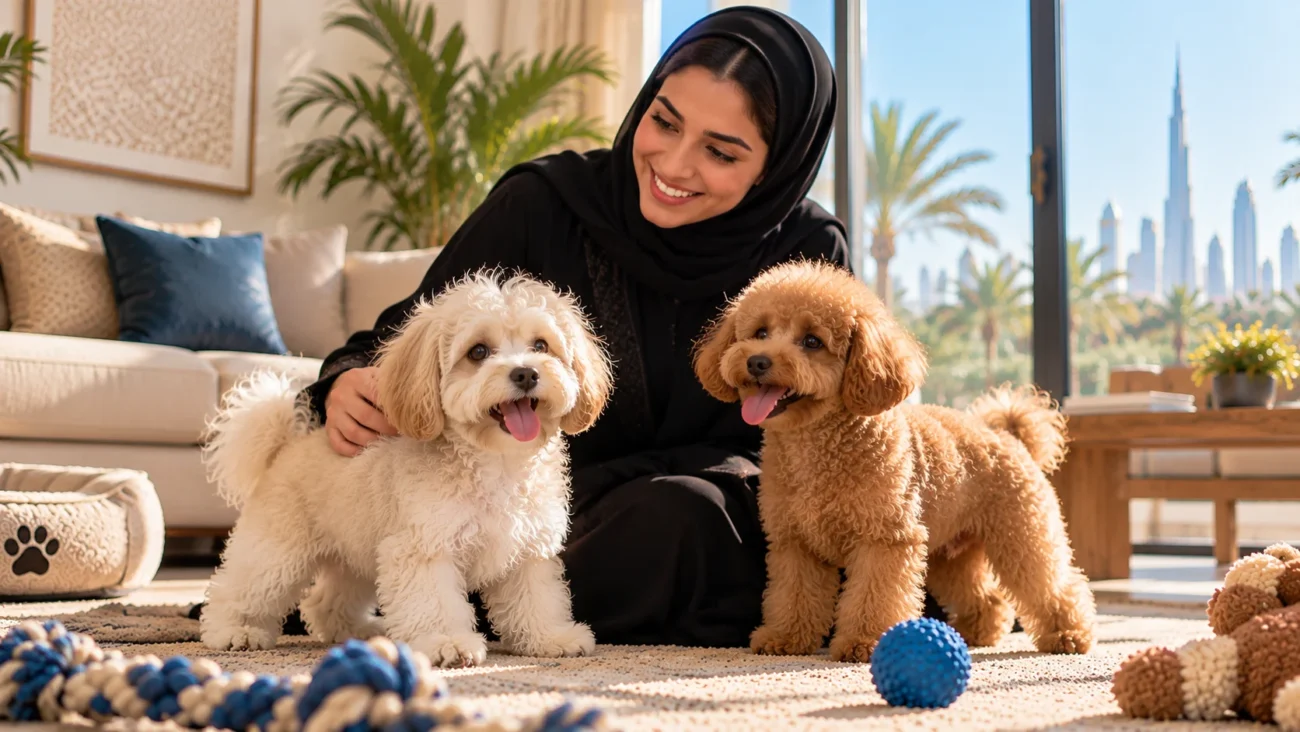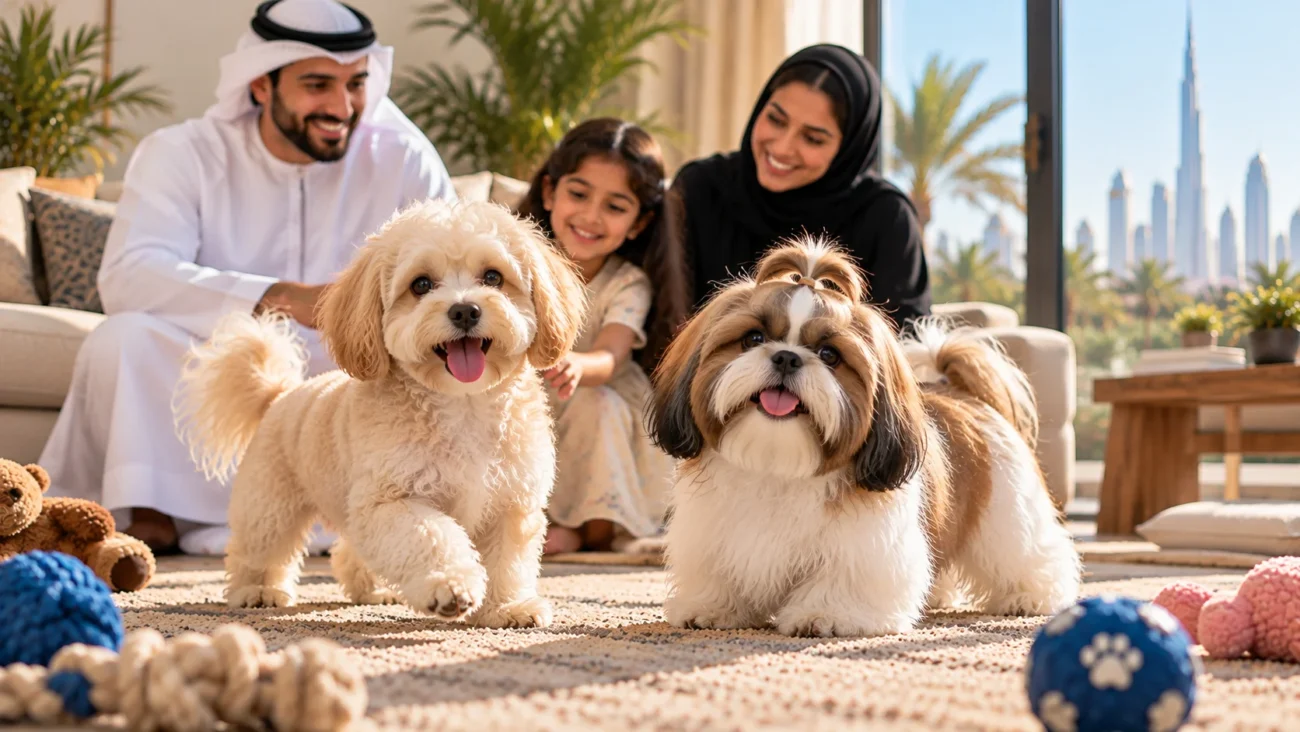




best dog breeds for families non shedding

best dog breeds for families non shedding: Top Family-Friendly Choices

Finding the best dog breeds for families non shedding can be difficult because no dog is truly 100% non-shedding. Every dog loses some hair as part of its natural coat cycle. However, some breeds shed very little and may be easier for families who want less loose hair around the home.
The best low-shedding family dog is not chosen by coat type alone. Families should also consider temperament, size, exercise needs, grooming, trainability, and how well the breed fits the children’s ages and the family’s daily routine.
In this guide, we will look at some of the best low-shedding and minimally shedding breeds for families and explain what each breed needs before you decide to bring one home.

What Does “Non-Shedding” Really Mean?

The term non-shedding dog is commonly used when talking about breeds that leave very little loose hair around the home. However, it does not mean that the dog produces no shed hair at all.
Some low-shedding breeds have hair that continues to grow and may remain trapped within the coat instead of falling freely onto floors and furniture. This can make shedding less noticeable, but it also means that regular brushing and grooming are often very important.
So, when searching for best dog breeds for families non shedding, it is better to think in terms of low-shedding breeds rather than completely non-shedding dogs.

Are Non-Shedding Dogs Better for Families?

A low-shedding dog can be a good choice for a family that wants less loose hair in the house, but shedding should not be the only factor.
For example, a breed may shed very little but require frequent professional grooming. Another breed may have a calm personality but need more training than a first-time owner expects.
Families should look at the complete picture:

  • Temperament
  • Size
  • Energy level
  • Exercise requirements
  • Grooming needs
  • Trainability
  • Socialization
  • Compatibility with children
  • Living space
  • Time available for the dog
  • Long-term care costs
    A low-shedding coat can make one part of dog ownership easier, but it does not automatically make the breed easier to care for.

Best Non-Shedding Dog Breeds for Families

Several breeds are well known for low-shedding coats and can be considered by families. Each breed has different needs, so the best option depends on your home and lifestyle.

1. Poodle

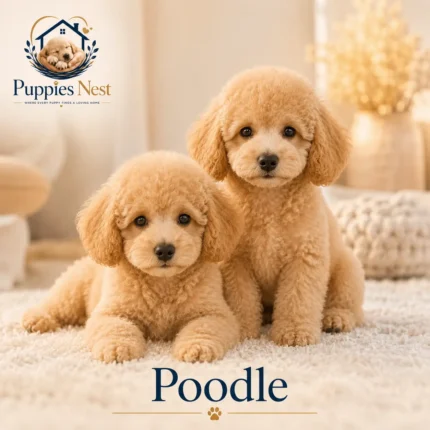
The Poodle is one of the most popular choices for families looking for a low-shedding dog.
Poodles are available in Toy, Miniature, and Standard sizes, giving families several options depending on their preferred dog size and living environment.
They are also highly intelligent and can learn commands and routines quickly when trained consistently.
Size: Toy, Miniature, or Standard
Shedding: Very low
Energy: Moderate to high
Exercise: Moderate to high
Trainability: Excellent
Grooming: High
Family compatibility: Excellent for families prepared for grooming and training
Poodles are active and intelligent dogs. They need more than occasional walks around the block. Training games, interactive toys, and mental stimulation can help keep them engaged.
Their coat also needs regular brushing and professional grooming.

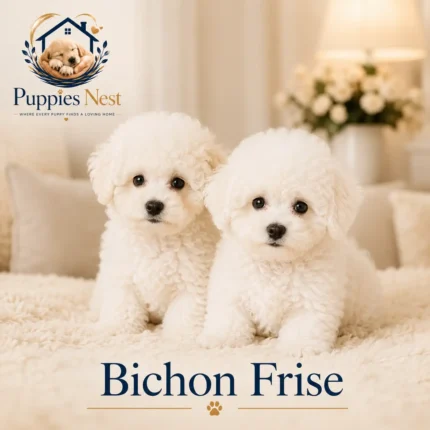
2. Bichon Frise

The Bichon Frise is a small companion breed with a soft, curly coat that is often considered low-shedding.
Its small size can make it attractive to families living in apartments or smaller homes.
Size: Small
Shedding: Very low
Energy: Moderate
Exercise: Moderate
Trainability: Good
Grooming: High
Family compatibility: Very good
Bichon Frise dogs can be playful and affectionate. They often enjoy spending time with their families and participating in games.
Their coat requires regular maintenance, so families should be prepared for brushing and professional grooming.

3. Maltese

The Maltese is a small companion dog known for its long, silky coat and low-shedding characteristics.
Its small size can make it suitable for families looking for a compact companion.
Size: Small
Shedding: Low
Energy: Moderate
Exercise: Low to moderate
Trainability: Moderate to good
Grooming: High
Family compatibility: Good with appropriate supervision
Because the Maltese is small, young children should be taught how to handle the dog gently.
The long coat also needs regular brushing and grooming to prevent tangles and mats.

4. Shih Tzu

The Shih Tzu is another small breed that is often considered a low-shedding choice.
Shih Tzus were developed primarily as companion dogs and can enjoy spending time indoors with their families.
Size: Small
Shedding: Low
Energy: Low to moderate
Exercise: Low to moderate
Trainability: Moderate
Grooming: High
Family compatibility: Good
Their relatively modest exercise requirements can make them suitable for families that do not want a highly active dog.
However, their coat requires consistent care, especially when kept long.

what is the shih tzu price in UAE

5. Miniature Schnauzer

The Miniature Schnauzer is an energetic and intelligent small dog with a wiry coat that generally sheds very little.
Unlike some small companion breeds, the Miniature Schnauzer can be quite active and enjoys training and interactive activities.
Size: Small
Shedding: Low
Energy: Moderate to high
Exercise: Moderate
Trainability: Very good
Grooming: Moderate to high
Family compatibility: Very good
This breed can be a good choice for families that want a small dog with an active personality.
Training and socialization are important because the breed can be alert and vocal.

6. Portuguese Water Dog

The Portuguese Water Dog is a medium-sized breed known for its curly or wavy coat and low-shedding characteristics.
It can be an excellent option for an active family.
Size: Medium
Shedding: Low
Energy: High
Exercise: High
Trainability: Excellent
Grooming: Moderate to high
Family compatibility: Excellent for active families
These dogs need regular physical activity and mental stimulation.
A family that enjoys outdoor activities, walks, games, and training may find this breed a good match.
However, it may not be the right choice for a household looking for a very relaxed companion.

7. Havanese

The Havanese is a small companion breed with a soft coat that generally sheds very little.
It can be affectionate, social, and adaptable when properly socialized.
Size: Small
Shedding: Low
Energy: Moderate
Exercise: Moderate
Trainability: Good
Grooming: Moderate to high
Family compatibility: Very good
Havanese dogs often enjoy being around people, making them attractive to families that want a companion that participates in household life.
Their coat still requires regular maintenance even though loose shedding is relatively low.

8. Soft Coated Wheaten Terrier

The Soft Coated Wheaten Terrier is a medium-sized dog with a soft, silky coat that is generally low-shedding.
It can be energetic, playful, and affectionate.
Size: Medium
Shedding: Low
Energy: Moderate to high
Exercise: Moderate to high
Trainability: Good
Grooming: High
Family compatibility: Very good for active families
Families considering this breed should be prepared for regular coat care and training.
Its playful nature can make it a fun family companion, but it needs appropriate exercise and mental stimulation.

9. Lagotto Romagnolo

The Lagotto Romagnolo is a medium-sized Italian breed with a curly coat and relatively low shedding.
It is intelligent, active, and known for its strong working abilities.
Size: Medium
Shedding: Low
Energy: High
Exercise: High
Trainability: Excellent
Grooming: Moderate
Family compatibility: Very good for active families
This breed can be especially interesting for families who enjoy training and outdoor activities.
It is not the ideal choice for people looking for a dog that requires very little daily activity.

10. Yorkshire Terrier

The Yorkshire Terrier is a very small companion breed with a fine, human-hair-like coat that generally sheds very little.
Size: Very small
Shedding: Low
Energy: Moderate
Exercise: Low to moderate
Trainability: Good
Grooming: High
Family compatibility: Better with older children and gentle handling
yorkshire dog can be affectionate and lively, but their small size means they can be injured accidentally by rough handling.
For this reason, families with very young children should consider whether a tiny dog is appropriate for their household.

Comparison of the Best Low-Shedding Family Dogs

Breed Size Shedding Energy Exercise Grooming Family Suitability
Poodle Toy–Large Very Low Moderate-High Moderate-High High Excellent
Bichon Frise Small Very Low Moderate Moderate High Very Good
Maltese Small Low Moderate Low-Moderate High Good
Shih Tzu Small Low Low-Moderate Low-Moderate High Good
Miniature Schnauzer Small Low Moderate-High Moderate Moderate-High Very Good
Portuguese Water Dog Medium Low High High Moderate-High Excellent for active families
Havanese Small Low Moderate Moderate Moderate-High Very Good
Soft Coated Wheaten Terrier Medium Low Moderate-High Moderate-High High Very Good
Lagotto Romagnolo Medium Low High High Moderate Very Good for active families
Yorkshire Terrier Very Small Low Moderate Low-Moderate High Better with older children

Best Low-Shedding Dogs for Families With Children

When choosing a low-shedding dog for a family with children, temperament and size are especially important.
Poodles, Bichon Frise, Havanese, Miniature Schnauzers, and Portuguese Water Dogs can all be considered depending on the family’s lifestyle.
However, there is no breed that should automatically be considered safe with every child in every situation.
Children need to learn how to interact appropriately with dogs.
They should not:

  • Pull the dog’s ears or tail.
  • Ride on the dog.
  • Take food away from the dog.
  • Disturb the dog while sleeping.
  • Chase the dog.
  • Hit or tease the dog.
  • Force the dog to interact.
    Adults should supervise interactions, especially with young children.

Best Small Non-Shedding Dogs for Families

If your family wants a small dog, several low-shedding breeds can be considered.

Bichon Frise

A playful small dog that can adapt well to family life when properly trained and socialized.

Maltese

A compact companion with a low-shedding coat, but it needs regular grooming and gentle handling.

Shih Tzu

A small indoor companion with relatively low exercise needs and significant grooming requirements.

Havanese

A social small breed that can enjoy spending time with family members.

Miniature Schnauzer

A more active small breed that can suit families looking for a dog that enjoys training and games.

Yorkshire Terrier

A tiny companion that may be better suited to families with older children because of its small size.

Find out: top 10 best dog breeds for families

Best Low-Shedding Dogs for Active Families

Not every low-shedding dog is a calm indoor companion.
Some breeds are very active and need considerable exercise.
The Portuguese Water Dog, Lagotto Romagnolo, Poodle, and Soft Coated Wheaten Terrier can be good options for families that enjoy:

  • Long walks.
  • Outdoor games.
  • Training.
  • Hiking.
  • Interactive activities.
  • Mental stimulation.
    An active dog should not be chosen by coat type alone. If the family cannot provide enough daily activity, a lower-energy breed may be more suitable.

Best Low-Shedding Dogs for Apartments

Living in an apartment does not automatically mean that you need a very small dog.
However, breeds such as the Bichon Frise, Maltese, Shih Tzu, and Havanese can be considered by families looking for smaller companions.
The important point is that apartment suitability depends on energy level and behavior, not just size.
A large but calm dog may adapt better than a small but extremely active dog.
Families living in apartments should consider:

  • Daily exercise.
  • Barking tendencies.
  • Mental stimulation.
  • Toilet routines.
  • Access to safe outdoor areas.
  • Building rules.

Low-Shedding Does Not Mean Low-Maintenance

This is one of the most important things to understand before choosing a dog.
A low-shedding coat can actually require more grooming, not less.
Hair that does not fall easily from the coat can become tangled or matted if it is not brushed regularly.
For example, Poodles and Bichon Frise dogs can require frequent brushing and professional grooming.
So if your main reason for choosing a low-shedding breed is to reduce work, remember:
Less shedding does not necessarily mean less grooming.

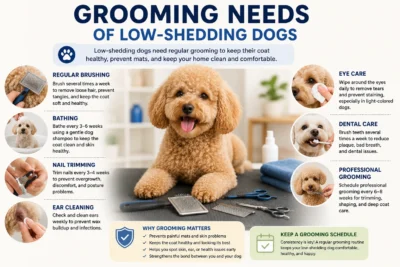
Grooming Needs of Low-Shedding Dogs| best dog breeds for families non shedding

Grooming Needs of Low-Shedding Dogs

Grooming requirements vary by breed and coat length.
A family may need to provide:

  • Regular brushing.
  • Bathing.
  • Hair trimming.
  • Nail trimming.
  • Ear cleaning.
  • Dental care.
  • Professional grooming.
    The exact routine depends on the breed and individual coat.
    Before choosing a low-shedding dog, ask yourself whether your family has the time and budget for regular grooming.

Does Low-Shedding Mean Hypoallergenic?

No.
A low-shedding dog should not automatically be described as completely hypoallergenic.
Dog allergies can be triggered by proteins found in dander, saliva, and other materials, not simply by loose hair.
Some people with allergies may react less strongly to certain breeds, but there is no guarantee that a particular breed will not trigger symptoms.
If someone in the household has allergies, it is sensible to spend time around the breed before making a long-term commitment and to discuss the issue with a qualified medical professional.

How to Choose the Best Low-Shedding Family Dog

Instead of asking only which breed sheds the least, create a complete family profile.

Step 1: Consider Your Children’s Ages

A very small dog may not be appropriate for toddlers who are still learning how to interact gently with animals.
Families with older children may have more options.

Step 2: Consider Your Home

Think about your available space, outdoor access, and building rules.

Step 3: Consider Your Daily Schedule

How many hours will the dog spend alone?
Who will feed it?
Who will exercise it?
Who will train it?

Step 4: Consider Exercise

Do you want a dog for long walks and outdoor adventures, or a companion for shorter daily walks?

Step 5: Consider Grooming

Are you prepared to brush the coat and pay for professional grooming when needed?

Step 6: Consider Training

Every dog needs training, even a small companion breed.

Step 7: Consider the Individual Dog

Breed information is useful, but every dog has an individual personality.

Why Individual Temperament Matters

Two dogs of the same breed can have different personalities.
One may be outgoing and playful, while another may be more cautious.
A responsible puppy seller or breeder should be able to provide information about the puppy’s background, behavior, health records, and early socialization.
When possible, observe how the puppy responds to people and normal surroundings.
Look for a puppy that appears appropriately curious and comfortable rather than focusing only on appearance.

Socialization for Low-Shedding Family Dogs

Low-shedding dogs still need proper socialization.
A puppy can gradually experience different people, household sounds, safe environments, grooming, handling, and age-appropriate interactions.
Early positive experiences can help puppies learn how to respond to normal situations.
Families should avoid overwhelming a puppy with too many new experiences at once.
Socialization should be gradual, positive, and appropriate for the puppy’s age and vaccination status.

Find out: dogs for sale in UAE price

Training a Low-Shedding Family Dog

Training should start early and continue throughout the dog’s life.
Useful skills include:

  • Name recognition.
  • Sit.
  • Stay.
  • Come.
  • Leash walking.
  • Leave it.
  • Drop it.
  • Calm greetings.
  • Appropriate toilet habits.
    Positive reinforcement can make training easier and help create a stronger relationship between the dog and family.

Find out: where to find puppies for sale near me

Common Mistakes When Choosing a Low-Shedding Dog

Choosing Only by Coat

A low-shedding coat does not guarantee that the breed fits your lifestyle.

Assuming the Dog Needs Little Grooming

Many low-shedding breeds need frequent grooming.

Ignoring Energy Level

Some low-shedding breeds are highly active.

Assuming Every Low-Shedding Dog Is Hypoallergenic

Low shedding and allergies are not the same thing.

Choosing a Very Small Dog for Very Young Children

Small dogs can be more physically fragile.

Forgetting Training

A friendly breed still needs boundaries and training.

Choosing a Breed Without Researching Adult Size

A puppy’s size can change considerably as it grows.

Focusing Only on Puppy Appearance

A puppy’s adult needs matter much more than how cute it looks at eight weeks.

Are Low-Shedding Dogs Good for Busy Families?

Some low-shedding breeds can adapt to busy households, but every dog needs attention and care.
A family that spends most of the day away from home should consider how much time the dog will spend alone.
Some breeds may be more independent than others, but dogs are social animals and need interaction, exercise, training, and mental stimulation.
If your schedule is very busy, consider whether you can arrange:

  • A dog walker.
  • Family support.
  • Daycare when appropriate.
  • Regular exercise before and after work.
  • Mental enrichment at home.

Low-Shedding Dogs in the UAE

Families in the UAE should consider the local climate when choosing a dog.
Hot weather can affect exercise routines, especially for active breeds.
Outdoor activities should be planned during cooler periods, and dogs should always have access to fresh water and a comfortable environment.
For low-shedding breeds with coats that require regular grooming, families should also maintain a consistent grooming routine.
A well-maintained coat is important for the dog’s comfort and general care, particularly in a warm climate.

What Should You Check Before Buying a Low-Shedding Puppy?

Before purchasing a puppy, ask the seller for clear information about:

  • Breed.
  • Date of birth.
  • Vaccination records.
  • Veterinary records.
  • Microchip information where applicable.
  • Parents’ information when available.
  • Current food.
  • Socialization.
  • Grooming routine.
  • Any known health concerns.
    You should also ask what the puppy’s expected adult size and coat type will be.
    This is particularly important because a puppy may look very different from the adult dog it will become.

Low-Shedding Dogs and Family Costs

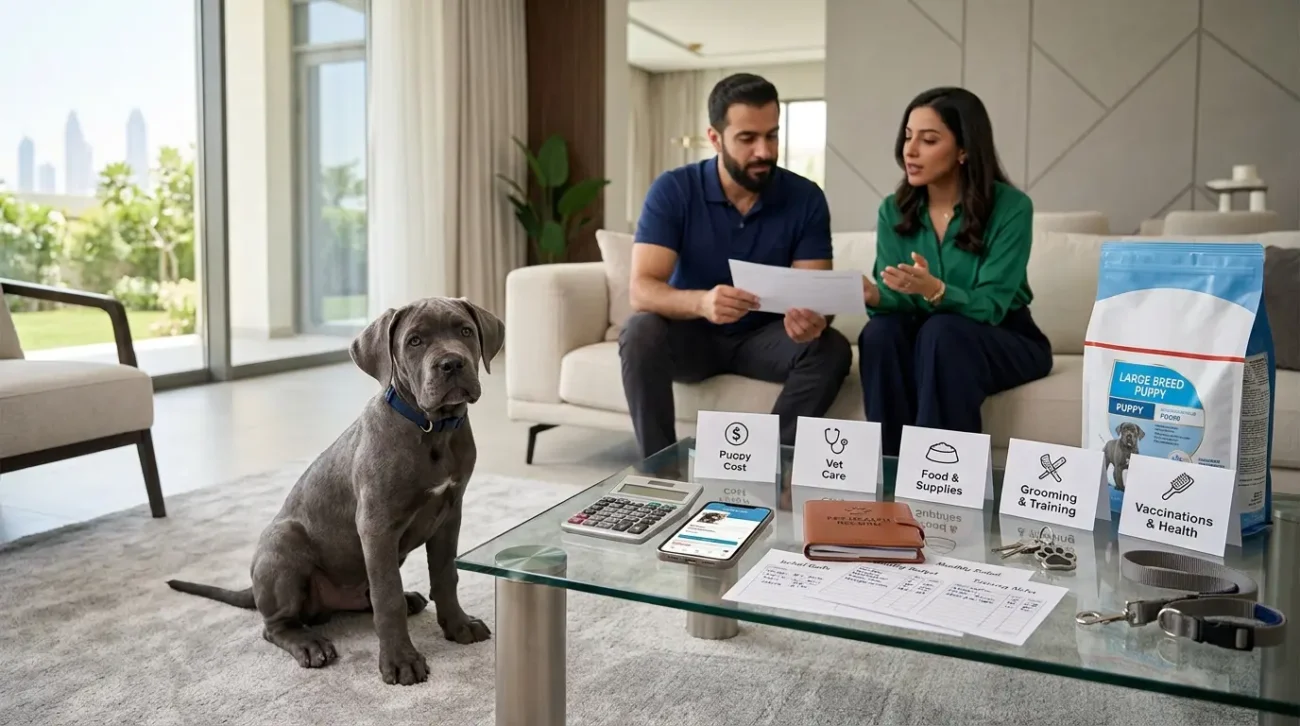
Families should budget for more than food.
Potential costs include:

  • Puppy purchase price.
  • Veterinary examinations.
  • Vaccinations.
  • Preventive healthcare.
  • Food.
  • Grooming.
  • Training.
  • Toys.
  • Bedding.
  • Travel or boarding.
  • Unexpected veterinary expenses.
    Some low-shedding breeds may cost more to maintain because they require regular professional grooming.

Which Low-Shedding Breed Is Best for Your Family?

Here is a simple guide:
Choose a Poodle if you want an intelligent, trainable dog and can provide exercise and regular grooming.
Choose a Bichon Frise if you want a small, playful companion and are prepared for coat maintenance.
Choose a Maltese if you prefer a tiny companion and can provide gentle handling and regular grooming.
Choose a Shih Tzu if you want a small indoor companion and can maintain its coat.
Choose a Miniature Schnauzer if you want a small, active, intelligent dog.
Choose a Portuguese Water Dog if your family is active and wants a medium-sized dog that enjoys exercise and training.
Choose a Havanese if you want a social, small companion.
Choose a Soft Coated Wheaten Terrier if you want a playful medium-sized dog and can provide grooming and exercise.
Choose a Lagotto Romagnolo if you want an intelligent, active dog and enjoy training and outdoor activities.
Choose a Yorkshire Terrier if you want a tiny low-shedding companion and have older children or can provide careful supervision.

The best dog breeds for families non shedding are better described as low-shedding breeds because no dog is completely free from shedding.
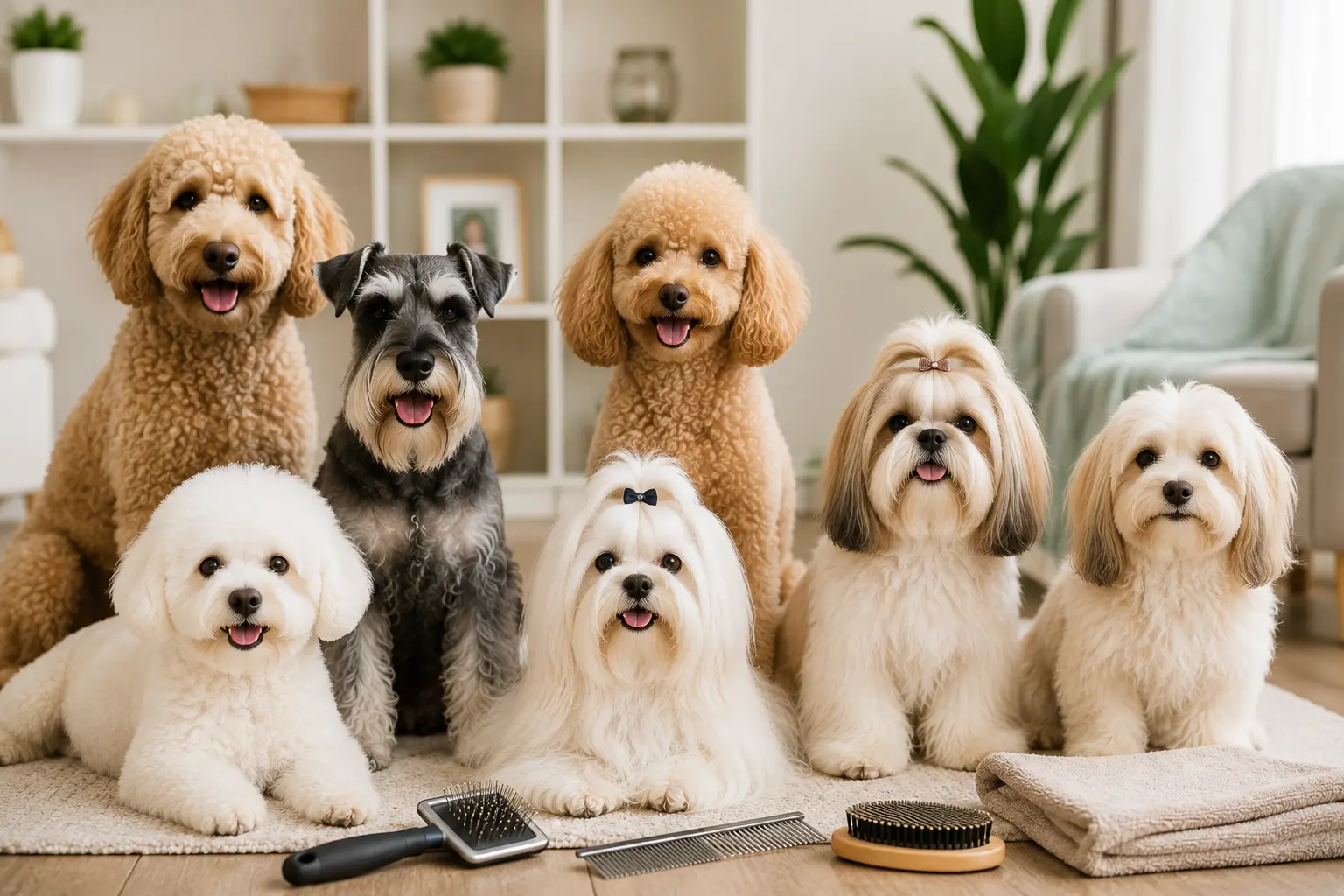
Poodles, Bichon Frise, Maltese, Shih Tzu, Miniature Schnauzers, Portuguese Water Dogs, Havanese, Soft Coated Wheaten Terriers, Lagotto Romagnolos, and Yorkshire Terriers are among the breeds families can consider when they want less loose hair around the home.
But coat type should only be one part of your decision.
The right family dog should also fit your children’s ages, home, daily schedule, exercise routine, grooming budget, training experience, and ability to provide lifelong care.
A low-shedding dog can be a wonderful family companion, but responsible ownership starts with choosing a breed whose needs your family can realistically meet.

FAQ About Best Dog Breeds for Families Non Shedding

What are the best dog breeds for families non shedding?

Some popular low-shedding choices include Poodles, Bichon Frise, Maltese, Shih Tzu, Miniature Schnauzers, Havanese, and Portuguese Water Dogs. The best choice depends on the family’s lifestyle and the individual dog’s temperament.

Are there dogs that do not shed at all?

No dog can be guaranteed to shed absolutely no hair. Some breeds shed very little, which is why they are often described as non-shedding or low-shedding dogs.

What is the best non-shedding family dog?

There is no single best breed for every family. Poodles can be excellent for families wanting an intelligent and trainable dog, while Bichon Frise and Havanese may suit families looking for smaller companions.

What is the best low-shedding dog for children?

Poodles, Bichon Frise, Havanese, and some other low-shedding breeds can be considered for families with children. However, supervision, training, socialization, and the individual dog’s temperament are essential.

Are Poodles good family dogs?

Yes, Poodles can be excellent family dogs. They are intelligent and trainable but need regular grooming, exercise, and mental stimulation.

Are Bichon Frise dogs good for families?

Bichon Frise dogs can be good family companions because of their small size and playful nature. They require regular grooming and should be handled gently by children.

Do non-shedding dogs require grooming?

Yes. Many low-shedding breeds actually require significant grooming because loose hair can remain within the coat and contribute to tangles or mats.

Are non-shedding dogs hypoallergenic?

Not necessarily. Low shedding does not mean that a dog cannot trigger allergies. People with allergies should consider their individual reactions before choosing a breed.

What is the best small low-shedding dog for a family?

Bichon Frise, Havanese, Maltese, Shih Tzu, and Miniature Schnauzer are examples of small low-shedding breeds families can consider.

Are low-shedding dogs suitable for apartments?

Some are. Smaller breeds such as Bichon Frise, Havanese, Maltese, and Shih Tzu may adapt well to apartment living, provided they receive appropriate exercise and mental stimulation.

Are low-shedding dogs easier to maintain?

Not always. They may leave less hair around the home but often need more brushing and professional grooming.

What should I consider besides shedding?

Consider temperament, size, energy, exercise, grooming, trainability, children’s ages, living space, and the amount of time your family can provide.

Find a Low-Shedding Puppy for Your Family

Choosing the right family puppy takes more than looking for a breed that sheds less. You need to find a puppy whose temperament, expected size, exercise requirements, grooming needs, and personality fit your family’s lifestyle.
If you are looking for puppies in the UAE, Puppies Nest can help you explore different breeds and learn more about the puppies available.
Ready to find a family-friendly puppy? Explore Puppies Nest and choose a companion that fits your family’s lifestyle, home, and daily routine.