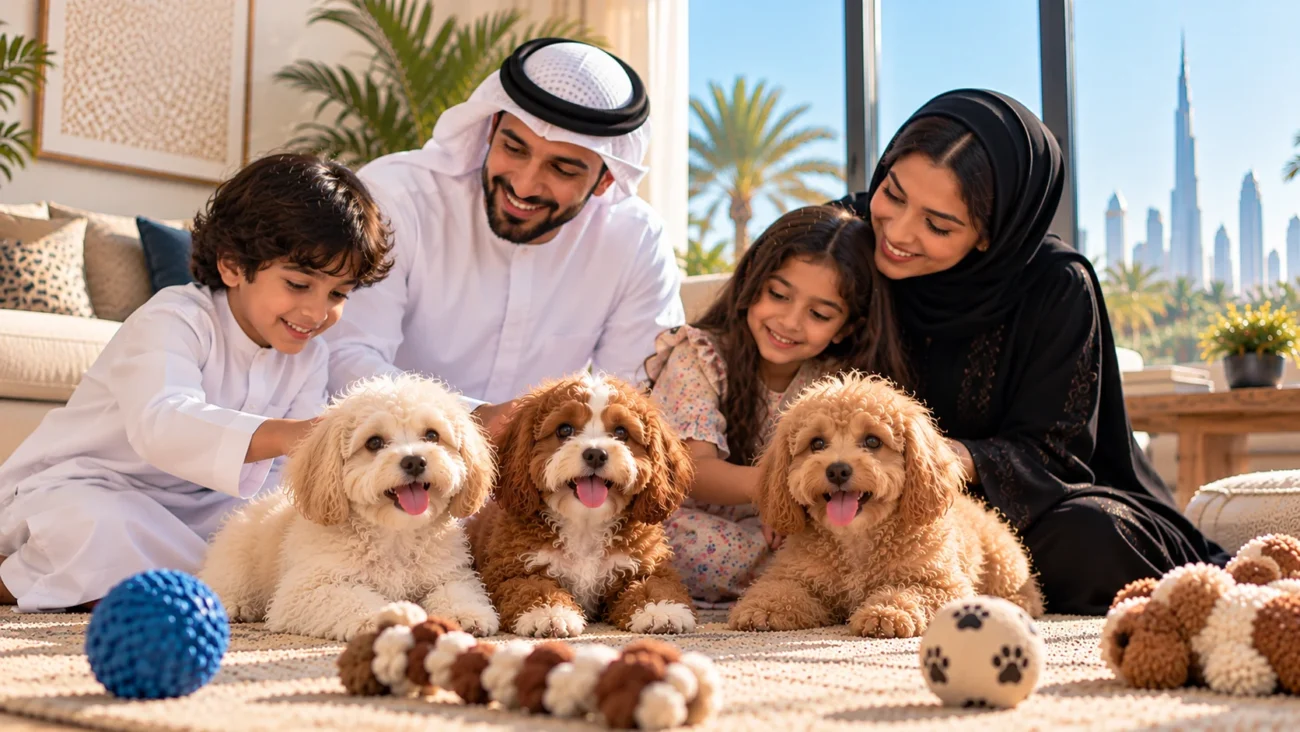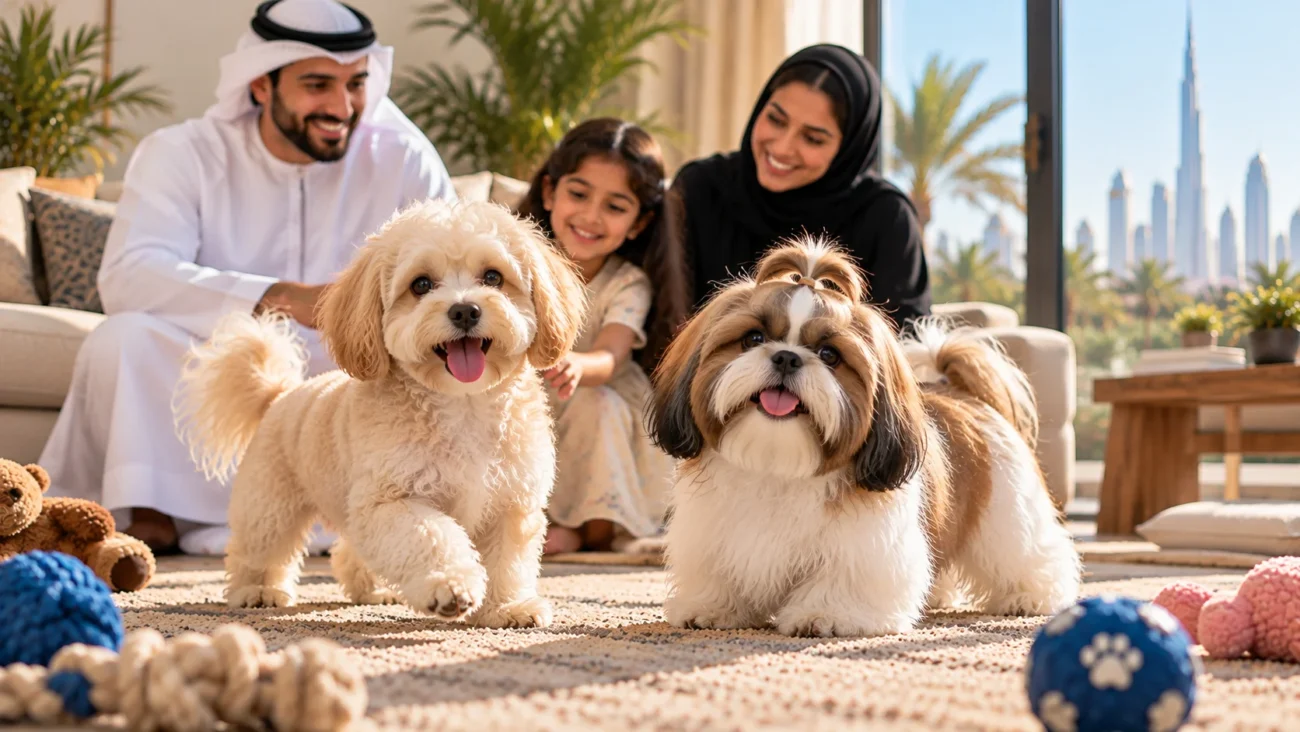
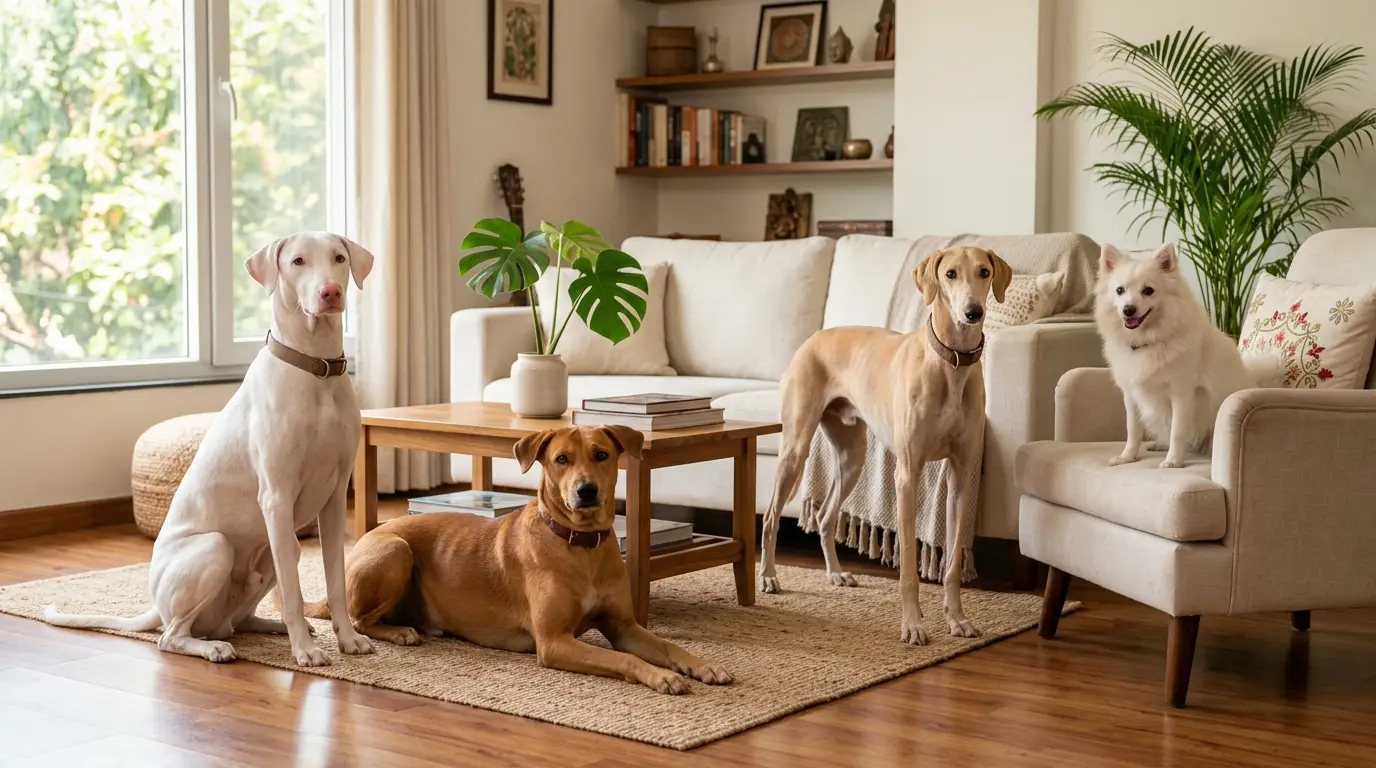

Best Indian dog breeds for home are not simply about finding the most popular breed. The right choice depends on your family, available space, daily routine, training experience, climate, grooming expectations, and the amount of exercise you can provide. When comparing these breeds, it is especially useful to look beyond appearance and consider how each dog fits into real household conditions.
Choosing a dog for home living is not simply about finding the most popular breed. The right choice depends on your family, available space, daily routine, training experience, climate, grooming expectations, and the amount of exercise you can provide.
What Makes an Indian Dog Breed Suitable for Home Living?
A home-friendly dog should be able to adapt to the household without requiring an unrealistic lifestyle. Size matters, but it is not the only factor. A large dog can live comfortably in a home when its exercise and mental stimulation needs are met, while a small dog may struggle if it receives little activity or training.
For families, the most useful factors to compare include:
- Temperament and sociability
- Adult size and space requirements
- Daily exercise needs
- Trainability and responsiveness
- Adaptability to local climate
- Coat type and grooming needs
- Compatibility with children and other pets
- Ability to handle the household’s daily routine
Indian native dogs can be particularly interesting for families because many have developed under local environmental conditions. However, every individual dog is different, so breed traits should guide your decision rather than replace observation of the puppy or adult dog itself.
Indian Dog Breeds to Consider for a Family Home
See Different dog breeds with pictures.
| Breed | Typical Size | Exercise | Training | Climate Adaptability | Grooming | Family Fit |
|---|---|---|---|---|---|---|
| Indian Pariah Dog | Medium | Moderate-High | Good | Excellent | Low | Excellent with proper socialization |
| Rajapalayam | Large | Moderate-High | Moderate | Very Good | Low | Good for experienced families |
| Mudhol Hound | Medium-Large | High | Moderate | Very Good | Low | Better for active households |
| Kombai | Medium | High | Moderate | Excellent | Low | Good for experienced owners |
| Chippiparai | Medium | High | Moderate | Very Good | Low | Better for active homes |
| Rampur Greyhound | Large | High | Moderate | Good | Low | Better for spacious, active homes |
| Caravan Hound | Medium-Large | High | Moderate | Very Good | Low | Best for active families |
| Kanni | Medium | High | Moderate | Very Good | Low | Suitable for active owners |
1. Indian Pariah Dog
The Indian Pariah Dog is one of the most practical native choices for many households. It is generally medium-sized, alert, intelligent, and adaptable. Its short coat can make routine grooming relatively simple, while its natural resilience can suit warm environments.
For a family home, the strongest advantage is versatility. A well-socialized Indian Pariah Dog can become an affectionate companion while retaining an alert nature. Early exposure to visitors, children, household sounds, other dogs, and different environments is important.
Exercise requirements are usually moderate to high, so owners should plan for daily walks, play, and mental stimulation. Training can be rewarding because these dogs are intelligent, but consistency matters. Positive reinforcement, clear boundaries, and predictable routines are usually more useful than harsh correction.
This breed may be particularly suitable for families wanting a native dog with manageable grooming and strong environmental adaptability.
2. Rajapalayam
The Rajapalayam is a large Indian sighthound known for its distinctive appearance and athletic build. Its short coat means grooming is generally straightforward, but its size and energy level require thoughtful household planning.
A Rajapalayam can work in a family home when the owners understand that a large athletic dog needs sufficient movement and structured activity. It is not simply a decorative pet. Daily exercise, controlled socialization, and obedience training should be part of ownership.
Families with older children may find the breed easier to manage than households with very young children, particularly because of its size and independent character. Owners should also consider whether they can provide enough space for comfortable movement.
The Rajapalayam is therefore a better match for experienced families who appreciate large dogs and can provide consistent training and exercise.
3. Mudhol Hound
The Mudhol Hound is an athletic Indian breed associated with speed, endurance, and an active lifestyle. Its short coat is relatively easy to maintain, but its physical needs are more demanding than those of a low-energy companion dog.
For home living, the key question is whether the family can provide enough daily activity. A Mudhol Hound may suit owners who enjoy walking, running, outdoor activities, or structured play. Without adequate exercise, an energetic dog can become frustrated or difficult to manage.
Training should focus on recall, leash manners, impulse control, and reliable household behavior. Because sighthounds can be independent, owners should keep training patient and consistent.
This breed can be a strong choice for an active family, but it is less appropriate for someone seeking a very low-maintenance, sedentary companion.
4. Kombai
The Kombai is a muscular, energetic Indian breed with a confident and alert personality. It can be highly devoted to its household, but its temperament means that early socialization and responsible training are especially important.
Families considering a Kombai should evaluate their experience with dogs before choosing one. The breed may be more suitable for confident owners who can establish clear routines and provide daily physical and mental health.
Its short coat generally does not demand complicated grooming. Climate adaptability can also be an advantage in warm regions. Nevertheless, climate tolerance does not eliminate the need for shade, fresh water, appropriate exercise timing, and protection from excessive heat.
For the right experienced household, the Kombai can be a loyal and active companion.
5. Chippiparai
The Chippiparai is an Indian sighthound recognized for its lean build and athletic nature. It is generally better suited to owners who can provide regular exercise and opportunities to use both body and mind.
The short coat helps keep grooming simple. However, the breed’s activity level should be considered before purchase. A family that spends much of the day away from home may need to arrange additional activity and interaction.
Training should begin early and remain positive and consistent. Socialization is particularly important when introducing a young dog to children, guests, urban environments, and other animals.
For active households, the Chippiparai can offer an engaging companion. For families wanting a very relaxed indoor dog with minimal exercise needs, another option may be more suitable.
6. Rampur Greyhound
The Rampur Greyhound is a large, athletic sighthound with a history of performance and speed. Its physical presence makes household planning important, especially in smaller homes.
Owners should consider daily exercise, safe outdoor opportunities, and secure areas before choosing this breed. A large energetic dog needs more than occasional short walks.
Its coat is relatively easy to maintain, but grooming simplicity should not be confused with overall ease of ownership. Training, socialization, safe handling, and adequate activity remain essential.
A spacious home with active, experienced owners may be a better fit than a small apartment with a highly sedentary routine.
7. Caravan Hound
The Caravan Hound is another athletic Indian sighthound that can suit owners looking for an active companion. Its lean body and endurance reflect a need for regular movement.
For home living, the most important consideration is exercise planning. Long walks, controlled running, play, and mental stimulation can help support a balanced routine.
Its short coat is relatively low maintenance, making grooming easier than with many long-coated breeds. However, its independent nature means owners should invest in early training and socialization.
The Caravan Hound may be a good choice for an active family that understands the difference between a low-grooming dog and a low-energy dog.
8. Kanni
The Kanni is an Indian sighthound associated with athletic ability, alertness, and loyalty. It can be a rewarding companion for owners who enjoy active dogs and are prepared to build a consistent training routine.
Its short coat usually requires limited grooming compared with heavily coated breeds. Exercise remains a major consideration, and families should provide safe opportunities for movement rather than relying only on indoor activity.
Children and dogs should be introduced carefully, with supervision and positive socialization. The Kanni can fit a family environment when its physical and behavioral needs are respected.
Small Indian Dogs and Home Living
Families often assume that a small dog automatically makes the best household companion. Size can certainly make some aspects of home management easier, especially in apartments, but it does not guarantee low exercise needs or easy behavior.
If your priority is a compact companion, researching Small dogs breeds can help you compare size with temperament, exercise, grooming, and training requirements. The goal should be to choose a dog whose overall needs match your lifestyle, not simply the smallest available option.
A small dog still needs daily movement, social interaction, training, enrichment, veterinary care, and a predictable routine. Families with young children should also remember that smaller dogs can be physically fragile, so respectful handling and adult supervision are important.
Exercise Requirements for Indian Dogs
Exercise is one of the most important factors in successful home ownership. Native Indian breeds vary considerably in activity level, so families should avoid assuming that all local breeds have the same needs.
A practical routine can include:
- Morning or evening walks
- Interactive games
- Obedience practice
- Scent-based enrichment
- Safe outdoor exploration
- Age-appropriate play
Hot weather requires additional planning. In warm climates, exercise may be safer during cooler parts of the day. Owners should provide water, shade, and opportunities to rest, while watching for signs of overheating.
Puppies also need age-appropriate activity. Excessive forced exercise is not a substitute for healthy development.
Training and Socialization at Home
Good family behavior is built rather than assumed. Even an intelligent dog needs guidance to understand household expectations.
Start with basic skills such as:
- Responding to its name
- Coming when called
- Walking calmly on a leash
- Sitting and waiting
- Settling in a designated area
- Accepting gentle handling
- Greeting people appropriately
Positive reinforcement can make training clearer and more enjoyable. Rewarding desirable behavior helps the dog understand what earns attention, food, play, or praise.
Socialization should expose the puppy gradually to different people, sounds, surfaces, environments, and appropriately vaccinated dogs. The objective is not to overwhelm the puppy but to build confident responses.
How Size Affects the Best Choice for Your Home
Home size can influence your decision, but it should not be treated as a strict rule. A large dog may adapt to a home when the owners consistently meet its activity needs, while a small dog may need substantial stimulation.
When comparing dogs, ask:
- Can the dog move comfortably around the home?
- Can I provide its required daily exercise?
- Is there a safe place for outdoor activity?
- Can every family member handle the dog responsibly?
- Will the dog’s energy level fit our normal schedule?
People researching 10 smallest dog breeds should also compare exercise and temperament rather than choosing solely by adult weight or height.
Climate Adaptability and Indian Homes
Climate is a major advantage to consider when evaluating native breeds. Many Indian dogs have developed in environments where warm weather is normal, but no dog is automatically immune to heat.
Owners should still:
- Provide constant access to clean water.
- Offer shade and a cool resting area.
- Avoid strenuous activity during extreme heat.
- Monitor dogs for heat-related distress.
- Keep outdoor areas secure and comfortable.
Climate adaptability is therefore helpful, but responsible care remains essential. Breed selection should work together with good household management.
Grooming and Maintenance
Grooming requirements can affect the amount of time and money a family spends on a dog. Short-coated Indian breeds often have relatively simple coat-care routines, while dogs with heavier coats may need more brushing and specialized care.
A basic home grooming routine may include:
- Regular brushing appropriate to the coat
- Nail trimming
- Ear checks
- Dental care
- Bathing when needed
- Routine skin and coat observation
Families should also consider shedding. A dog with minimal grooming needs may still shed hair around the home.
Which Indian Dog Is Best for Families With Children?
There is no breed that should automatically be considered safe with every child. Family compatibility depends on temperament, socialization, training, supervision, and the behavior of both the dog and children.
For a family with children, prioritize a dog that can fit the household’s energy level and establish clear rules for interaction. Children should learn not to pull ears, disturb a sleeping dog, take food, or climb on the animal.
Adults should supervise interactions, particularly with puppies and younger children. Choosing a dog is therefore a family decision rather than a simple breed-ranking exercise.
Comparing Indian Dogs by Lifestyle
| Household Type | Priorities | Potential Match |
|---|---|---|
| Active family | Exercise, outdoor activity, training | Mudhol Hound, Chippiparai, Kanni |
| Experienced dog owner | Structure, socialization, confident handling | Kombai, Rajapalayam |
| Family wanting easier coat care | Short coat, simple grooming | Indian Pariah Dog, Rajapalayam |
| Spacious active home | Room, exercise, secure outdoor access | Rampur Greyhound, Caravan Hound |
| Flexible family companion | Adaptability, trainability, moderate routine | Indian Pariah Dog |
These are starting points rather than absolute recommendations. Individual dogs can differ significantly within the same breed.
What Should You Ask Before Choosing a Puppy?
Before committing to a puppy, ask practical questions about its background, health records, socialization, feeding routine, vaccination status, and current behavior.
A useful checklist includes:
- What is the puppy’s current diet?
- What vaccinations and preventive care have been provided?
- Has the puppy been exposed to normal household sounds?
- How does the puppy respond to people?
- What is the puppy’s current daily routine?
- What documentation is available?
- What care will the puppy need immediately after coming home?
If you are considering Dogs for sale, avoid making a decision based only on photographs or urgency. A responsible purchase process should give you enough information to evaluate whether the dog is genuinely suitable for your household.
Preparing Your Home for an Indian Dog
Preparation can make the transition easier for both the family and the dog. Before bringing a puppy home, establish a safe area where it can rest without constant disturbance.
You may need:
- Food and water bowls
- Appropriate puppy food
- A comfortable sleeping area
- Collar or harness and leash
- Identification information
- Safe toys and enrichment items
- Cleaning supplies
- Basic grooming equipment
Remove or secure items that a curious puppy could chew, swallow, or knock over. Electrical cables, toxic household products, small objects, and unsafe gaps should receive particular attention.
How to Choose the Best Indian Dog Breed for Your Family
A simple decision process can make breed selection easier.
Step 1: Evaluate Your Lifestyle
Write down how much time your household can realistically dedicate to walks, training, play, grooming, and companionship.
Step 2: Evaluate Your Space
Consider the dog’s adult size, movement needs, sleeping arrangements, and access to safe outdoor activity.
Step 3: Match Energy Levels
Choose a dog whose activity requirements are compatible with your normal schedule.
Step 4: Consider Experience
Some confident or independent breeds may be better suited to owners with previous dog-handling experience.
Step 5: Compare Maintenance
Consider coat care, shedding, training, exercise, feeding, and routine health responsibilities.
Step 6: Observe the Individual Dog
Breed tendencies are useful, but the individual puppy’s behavior, confidence, responsiveness, and socialization also matter.
Why the “Best” Breed Is Different for Every Home
The phrase “best Indian dog breeds for home” sounds like it should produce one simple winner, but responsible dog selection is more personal than that.
A highly active family may prefer an athletic sighthound. An owner seeking versatility and relatively straightforward coat care may prefer an Indian Pariah Dog. An experienced household may be comfortable with a more independent or protective breed.
The best match is the dog whose needs your family can consistently meet.
Visit Indian dog breeds if you are interested in Indian dogs.
Frequently Asked Questions
Which Indian dog breed is best for a family home?
The Indian Pariah Dog can be a practical option for many families because of its adaptability, intelligence, and relatively simple coat care. However, the best choice depends on exercise needs, household experience, children, space, and daily routine.
Are Indian dog breeds good for children?
Some can be excellent family companions when properly socialized and trained. Children must also learn respectful handling, and adults should supervise interactions.
Which Indian dog breeds need the most exercise?
Athletic breeds such as the Mudhol Hound, Chippiparai, Kanni, Caravan Hound, and Rampur Greyhound generally require more activity than lower-energy companion dogs.
Are Indian dogs easy to train?
Trainability varies by breed and individual. Many Indian dogs are intelligent and responsive, but independent breeds may require patience, consistency, and positive reinforcement.
Are Indian dog breeds suitable for hot climates?
Many native breeds can adapt well to warm conditions, but all dogs still need water, shade, rest, and sensible exercise timing during hot weather.
What is the easiest Indian dog to groom?
Short-coated breeds such as the Indian Pariah Dog, Rajapalayam, and several Indian sighthounds generally have simpler grooming needs than heavily coated dogs.
Is a small dog always better for an apartment?
No. Small size can help with space management, but energy level, barking, training, and exercise requirements are equally important.
Should I choose a puppy based on appearance?
Appearance should be only one part of the decision. Temperament, health information, socialization, activity level, and compatibility with your household are more important for long-term success.
Final Thoughts
Choosing among Indian dog breeds for home living should begin with your household rather than a generic ranking. Compare size, temperament, exercise, training, climate adaptability, grooming, and family compatibility before making a decision.
Native Indian breeds can offer a wide range of personalities and lifestyles, from versatile companions to highly athletic dogs. The right choice is not necessarily the smallest, most attractive, or most popular breed. It is the dog whose physical and behavioral needs fit what your family can responsibly provide.
For families considering a puppy, take time to ask questions, evaluate the individual dog, prepare the home, and understand the responsibilities of ownership. With realistic expectations and consistent care, choosing the right Indian dog can become the foundation for a rewarding long-term relationship.