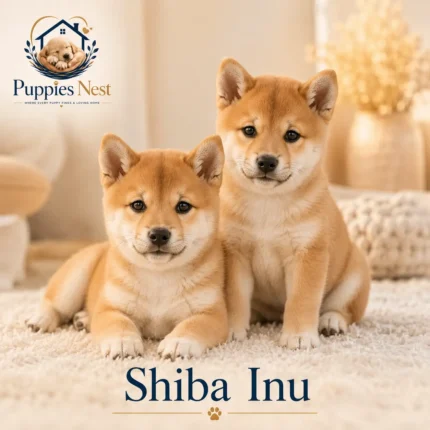
Shiba Inu Puppy for Sale in UAE
A Shiba inu is a distinctive Japanese breed known for its alert expression, compact athletic build, and independent personality, while a Shiba inu puppy can be an especially engaging companion during its early development. For anyone researching a Shiba inu puppy dubai, understanding the breed’s history, temperament, care requirements, and lifestyle needs is essential before deciding whether this Japanese dog is the right fit.
Choosing a Shiba Inu puppy is a decision that deserves more consideration than simply being attracted to the breed’s distinctive appearance. Shiba Inus have a long history, a particular temperament, and daily care requirements that can make them very different from other companion dogs.
Understanding these characteristics before bringing a puppy home can help prospective owners develop realistic expectations from the beginning. A young Shiba Inu needs more than food, toys, and a comfortable place to sleep. It also needs appropriate socialization, consistent training, mental stimulation, grooming, veterinary care, and a safe environment in which to develop.
The puppy stage can be especially important because early experiences can influence how a dog responds to people, household routines, unfamiliar environments, and other animals as it matures. Prospective owners should also consider whether their schedule, living environment, budget, and experience are compatible with the breed’s needs.
This is particularly relevant for people living in apartments or warmer climates, where exercise routines and indoor enrichment may require additional planning. By learning about the breed before making a commitment, future owners can approach puppy ownership with clearer expectations and make a more informed decision about whether a Shiba Inu is the right companion for their household.
What Is a Shiba Inu?
The Shiba Inu is one of Japan’s native dog breeds and is the smallest of the six Japanese breeds recognized by the Japan Kennel Club. Although relatively compact, it is not a delicate toy dog. The breed has an athletic structure, strong movement, a dense double coat, and a history connected to outdoor work.
Today, Shiba Inus are primarily companion dogs, but many characteristics seen in modern individuals reflect their working background. They tend to be observant, energetic, curious, and capable of making independent decisions. These qualities can make living with one rewarding, but they can also require an owner who understands canine behavior rather than expecting automatic obedience.
Shiba Inu Quick Facts
| Feature | Details |
|---|---|
| Breed | Shiba Inu |
| Origin | Japan |
| Type | Native Japanese breed / companion dog today |
| Historical role | Hunting and working |
| Size | Small to medium |
| Coat | Dense double coat |
| Personality | Alert, independent, intelligent |
Shiba Inu History and Origin
The Shiba Inu developed in Japan, where small native dogs existed for generations before modern kennel standards were established. Early Shiba-type dogs were associated with rural environments and were valued for their usefulness rather than simply their appearance.
Early Japanese Hunting Dogs
Before modern transportation and urbanization changed everyday life in Japan, hunting dogs had practical roles. Small native dogs could accompany hunters through dense vegetation and uneven landscapes. Their compact bodies allowed them to navigate spaces where larger dogs could be less convenient.
Shiba-type dogs were associated with hunting small game and birds. Their work required alertness, speed, coordination, and the ability to react quickly to movement. A useful hunting companion also needed enough independence to work in changing terrain rather than waiting for constant direction.
Regional Varieties
Historically, different regions of Japan had different types of native dogs. Regional populations developed characteristics influenced by geography, local breeding practices, and the work expected from them.
Names such as the Shinshu, Mino, and San’in types are associated with regional Shiba populations that contributed to the development of the modern breed. These populations were not identical, and their preservation became increasingly important as traditional rural lifestyles changed.
Modern Shiba Inu standards eventually brought these regional influences into a more consistent breed type. The process was not simply the creation of a new dog; it involved preserving native Japanese dogs while establishing characteristics that could be recognized consistently.
The Impact of Modernization
From Working Dog to Companion
The Shiba Inu gradually became increasingly popular as a companion rather than a hunting partner. Its manageable size, distinctive appearance, intelligence, and strong personality made it attractive to people living in different environments.
International recognition eventually introduced the breed to dog owners outside Japan. Its popularity grew substantially, particularly as photographs and videos made its expressive face and unusual personality widely recognizable.
Why Is the Shiba Inu Important in Japan?
The Shiba Inu is significant because it represents one of Japan’s native dog traditions. Its history is connected with Japanese landscapes, rural life, hunting, and the preservation of native canine populations.
What Was the Shiba Inu Originally Bred For?
The Shiba Inu was historically developed as a hunting dog, particularly for work involving small game and birds. Its compact size, agility, alertness, and ability to move through difficult terrain made it useful in environments where a larger dog might be less practical.
Its historical role helps explain several modern tendencies:
- Strong environmental awareness
- Quick reactions to movement
- Physical agility
- Curiosity
- Confidence
- Independent decision-making
Shiba Inu Appearance
The Shiba Inu has a compact but athletic body designed for efficient movement. Its head has a distinctive expression, with upright triangular ears, dark eyes, and a moderately pointed muzzle.
The ears contribute strongly to the breed’s alert appearance. They are relatively small, firm, and naturally upright. The eyes are typically dark and somewhat triangular, giving the face an attentive expression.
Coat and Colors
The Shiba Inu has a dense double coat. The outer coat is relatively straight and firm, while the undercoat provides additional insulation.
Common recognized colors include:
- Red
- Black and tan
- Sesame
- Cream
How Puppies Change as They Mature
A Shiba Inu puppy can look noticeably different from the adult it will eventually become. Puppies generally have softer proportions and a youthful expression. As they mature, their head, body, coat, and overall proportions develop into the more defined adult structure.
Shiba Inu Puppy Development
Puppyhood is a period of rapid physical and behavioral development. A young Shiba Inu is learning how to interact with people, investigate its environment, respond to boundaries, and manage excitement.
Puppy behavior is not a perfect prediction of adult personality. A quiet puppy may become more confident later, while a highly energetic puppy may become calmer with maturity. Genetics matter, but experiences and environment also shape development.
Shiba Inu Puppy Temperament
The Shiba Inu is often described as independent, alert, intelligent, curious, and confident. These characteristics can make the breed fascinating to live with because the dog often appears to have a strong individual personality.
Sensitivity can also be important. A confident-looking dog may still respond poorly to harsh handling. Training based on intimidation can damage trust and create unnecessary conflict.
Is a Shiba Inu a Good First Dog?
Shiba Inu Lifestyle Compatibility
Apartment Living
Apartment living can work, but a small home does not eliminate the need for exercise and enrichment. A Shiba Inu may live comfortably indoors while still requiring structured opportunities to walk, explore, train, and play.
Families
Shiba Inus can be a good fit for families when everyone understands their independent personality and agrees to follow consistent training and handling routines.
Singles and Couples
For singles and couples, a Shiba Inu can be a rewarding companion, especially for people who enjoy an active lifestyle and are comfortable with a dog that values independence.
Working Owners
People who work long hours need to plan realistically. A puppy requires more supervision and routine than an adult dog. Time away from home should therefore be considered before bringing a puppy into the household.
Practical Lifestyle Checklist
- How much time you have each day
- Your ability to provide regular exercise
- Your willingness to train consistently
- Your tolerance for shedding
- Your household noise level
- Your travel schedule
- Your experience with independent dogs
- Your ability to budget for veterinary and routine care
- Whether other pets are already present
- Whether everyone in the household agrees with the decision
Researching a Shiba Inu Puppy Before Getting One
Choosing a puppy should begin with breed research rather than browsing advertisements. A prospective owner should first determine whether the Shiba Inu’s temperament and care requirements fit their lifestyle.
It is also sensible to compare breeds before deciding. Someone initially attracted to a Shiba Inu might discover that another small breed better matches their activity level, social preferences, or grooming expectations. Researching options such as a Yorkshire terrier puppy for sale can be useful as part of that broader comparison, provided the decision is based on suitability rather than appearance alone.
How to Choose a Shiba Inu Puppy
When evaluating a puppy, focus on the overall picture rather than trying to identify a supposedly perfect personality.
Observe how the puppy interacts with its surroundings. Look for normal curiosity, responsiveness, and an ability to engage with people without relying on a single brief interaction to predict its entire future temperament.
Ask to see relevant veterinary documentation and information about the puppy’s routine. Where parent information is available, it can provide additional context, although it does not guarantee the exact temperament or future health of an individual puppy.
A professional veterinary evaluation may also be appropriate when making a serious purchasing or adoption decision.
Questions to Ask Before Getting a Shiba Inu Puppy
- How old is the puppy?
- What food is the puppy currently eating?
- What is the current feeding schedule?
- What types of socialization has the puppy experienced?
- Has the puppy received veterinary care?
- Are vaccination records available?
- What parasite-prevention information is available?
- What information is available about the puppy’s parents?
- What has the puppy’s daily routine been like?
- How has grooming been introduced?
- How does the puppy normally behave around people?
- What environment has the puppy been raised in?
- What documentation will accompany the puppy?
Clear answers to these questions can help a buyer distinguish between responsible communication and an unclear transaction.
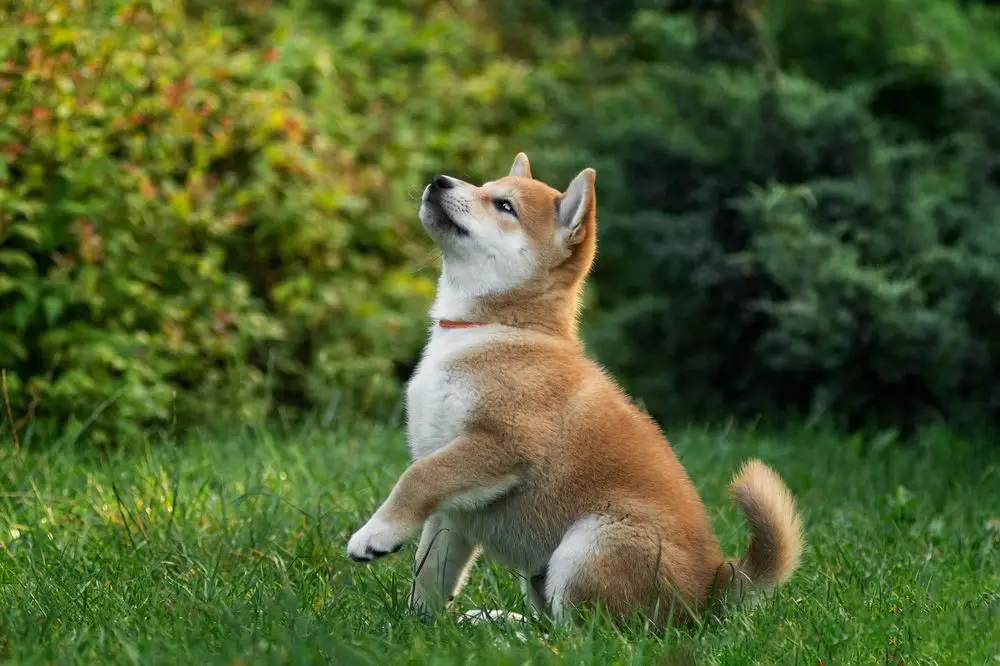
Shiba Inu Puppy Cost and Ownership Expenses
There is no single universal price for a Shiba Inu puppy. Cost can vary according to location, seller, availability, age, pedigree or registration where applicable, and the circumstances surrounding the puppy.
Comparing the Shih tzu dog price with the overall cost of owning another small companion breed illustrates why the initial purchase figure should never be the only financial consideration. Different breeds and individual dogs can have different ongoing needs, so responsible budgeting should cover the entire ownership period.
Preparing Your Home for a Shiba Inu Puppy
Preparation should happen before the puppy arrives. The goal is to create a safe environment where the puppy can rest, eat, explore, and begin learning household routines.
- Food and appropriately sized bowls
- A comfortable bed
- Safe puppy toys
- A collar or suitable harness
- A leash
- Grooming supplies
- Puppy-safe areas
- Cleaning supplies
- Identification
- A planned veterinary appointment
- A designated training area
- A quiet resting space
Shiba Inu Puppy Training
Training should be practical, consistent, and based on reinforcement rather than intimidation. A Shiba Inu may understand an instruction without automatically deciding that following it is worthwhile, making motivation and repetition important.
- Start with name recognition and attention.
- Establish a predictable house-training routine.
- Introduce simple cues such as sit, wait, and leave it.
- Practice recall in controlled, secure environments.
- Introduce leash walking gradually.
- Teach impulse control around food, doors, toys, and distractions.
- Reinforce calm behavior rather than rewarding constant excitement.
- Keep sessions short enough to maintain engagement.
- Provide mental activities that require problem-solving.
- Address unwanted behavior early and consistently.
Shiba Inu Socialization
Socialization means helping a puppy develop positive, manageable experiences with the world. It does not mean forcing the puppy to interact with every person or animal.
- Different people
- Household sounds
- Safe surfaces
- Car rides
- Grooming procedures
- Veterinary handling
- Calmly observed environments
- Appropriately managed interactions with other dogs
- Household routines
- New objects and experiences
Shiba Inu Grooming
The Shiba Inu’s dense double coat requires regular maintenance. Brushing helps manage loose hair and allows owners to become familiar with the dog’s normal coat and skin condition.
| Care Task | Suggested Frequency |
| Brushing | Regularly |
| Bathing | As needed |
| Nail care | Regularly |
| Dental care | Frequently |
| Ear care | As needed |
| Professional grooming | Based on individual needs |
The schedule should be adjusted according to the individual dog, coat condition, lifestyle, and professional or veterinary guidance.
Shiba Inu Exercise Requirements
Exercise should combine physical activity with mental engagement. Walking provides movement and environmental exploration, while training games and enrichment encourage the dog to think.
- Walks appropriate for age
- Short training games
- Supervised play
- Sniffing and exploration
- Food-based enrichment
- Calm problem-solving activities
A physically tired dog is not necessarily mentally satisfied. A Shiba Inu may benefit from activities that allow it to investigate, learn, and make controlled choices.
Shiba Inu vs Active Breeds
The Shiba Inu and the beagle both have histories connected with hunting, but their working backgrounds and typical behavioral tendencies differ.
Neither breed is automatically easier. The important question is whether the household understands the type of activity, communication, training, and social interaction that its chosen breed requires.
Shiba Inu Puppy Nutrition
Owners should avoid improvising specialized diets or making major nutritional changes without appropriate professional guidance. A veterinarian can help determine whether the puppy’s diet, growth, weight, and overall condition are progressing appropriately.
Shiba Inu Health and Preventive Care
Routine veterinary care is an essential part of responsible ownership. Puppies require appropriate veterinary planning, including vaccination and parasite-prevention discussions based on professional recommendations.
- Regular veterinary examinations
- Appropriate vaccination
- Parasite prevention
- Dental care
- Weight monitoring
- Coat and skin observation
- Attention to behavioral changes
- General wellness monitoring
Shiba Inu and Children
A Shiba Inu can live successfully with children when interactions are carefully managed, but compatibility should never be assumed from breed alone.
Shiba Inu and Other Pets
When introducing a Shiba Inu puppy to another dog or cat, owners should avoid rushing the process.
- Begin with controlled exposure.
- Allow animals to observe each other without forced contact.
- Use appropriate physical management.
- Reward calm behavior.
- Provide separate resting and feeding areas.
- Increase interaction gradually.
- Supervise until the relationship is well established.
No breed should be guaranteed to accept every other animal. Responsible integration depends on the individuals involved.
Comparing Shiba Inu With Other Dog Breeds
Prospective owners should compare breeds according to lifestyle rather than popularity. Important factors include temperament, size, exercise, grooming, trainability, independence, social needs, and energy.
For example, Shih tzu puppies may appeal to someone looking for a different type of small companion experience, while a Shiba Inu may suit someone who appreciates a more independent and athletic dog. The better choice depends on the owner’s expectations and ability to meet the breed’s needs.
Responsible Sourcing
Potential sources can include reputable breeders, established puppy businesses, dog stores, and adoption or rescue organizations where available.
- Puppy age
- Living environment
- Feeding routine
- Socialization
- Veterinary information
- Documentation
- Communication
- General care
Shiba Inu Puppy for Sale: What Should Buyers Look For?
When someone encounters a Shiba Inu puppy for sale, the advertisement should be treated as the beginning of research rather than the final basis for a decision.
A buyer should evaluate the puppy’s age, environment, feeding routine, socialization, veterinary information, documentation, and the transparency of the person or business providing the puppy.
The same principle applies when researching other breeds. Someone comparing options after seeing a puppy advertisement should examine temperament, exercise, grooming, and long-term suitability rather than choosing whichever puppy has the most appealing photograph.
Responsible Shiba Inu Puppy Ownership
Owning a Shiba Inu is a long-term responsibility that extends well beyond bringing the puppy home.
- Consistent training
- Appropriate socialization
- Regular grooming
- Veterinary care
- Suitable exercise
- Mental stimulation
- Appropriate nutrition
- Safe housing
- Financial preparation
- Daily time and attention
Small Dog Breed Comparisons
Small size can be misleading when evaluating a dog’s requirements. A compact dog may still need significant exercise, training, grooming, enrichment, and supervision.
Terms such as Pomeranian teacup should also be approached carefully because informal size labels do not automatically indicate better health, easier care, or superior suitability. Prospective owners should focus on responsible breeding practices, realistic expectations, temperament, and the welfare of the individual dog rather than attractive size terminology.
Common Shiba Inu Owner Mistakes
Choosing Only by Appearance
A Shiba Inu’s distinctive appearance can be appealing, but personality, energy level, training needs, and lifestyle compatibility should also be considered before choosing the breed.
Assuming Small Means Easy
Although Shiba Inus are relatively compact, they are not necessarily easy to care for. They still need exercise, training, socialization, and consistent daily attention.
Underestimating Independence
Their independent nature can make training more challenging. Owners should be prepared to use patience and positive, consistent methods rather than expecting automatic obedience.
Using Inconsistent Rules
Clear and consistent household rules help a Shiba Inu understand what is expected. Everyone in the home should follow the same training approach to avoid confusion.
Neglecting Mental Stimulation
Physical exercise alone may not be enough. Training sessions, interactive games, exploration, and other forms of mental enrichment can help keep a Shiba Inu engaged and prevent boredom.
Ignoring Grooming
The dense coat requires routine care. Waiting until shedding becomes overwhelming can make grooming more difficult.
Choosing Only by Price
The cheapest puppy is not automatically the most economical choice over the dog’s lifetime. Health care, food, training, supplies, and routine veterinary expenses continue after purchase.
Buying Impulsively
A cute puppy can create an emotional reaction, but responsible ownership requires planning. Research should come before commitment.
Shiba Inu Myths and Misconceptions
Myth: Shiba Inu Puppies Are Easy Because They Are Small
Small size does not determine trainability or energy. A Shiba Inu puppy can require significant structure, patience, and supervision.
Myth: Every Shiba Inu Is Aloof
Individual personalities vary. Some dogs are reserved, while others may be highly engaged with familiar people.
Myth: Shiba Inus Do Not Need Training
Training remains essential. The goal is not simply obedience but communication, household manners, safety, and appropriate behavior.
Myth: Shiba Inus Are Naturally Perfect Apartment Dogs
A Shiba Inu can potentially adapt to apartment living, but the quality of its routine matters more than square footage alone.
Daily Shiba Inu Puppy Routine
A puppy benefits from predictable rhythms, but schedules should remain flexible enough to accommodate age, sleep needs, feeding requirements, training progress, and individual behavior.
| Time/Period | Example Activity |
| Morning | Toilet break, breakfast, short training |
| Midday | Play, enrichment, rest |
| Afternoon | Socialization and calm activity |
| Evening | Meal, play, training, rest |
| Night | Final toilet opportunity and sleep |
A puppy may sleep for substantial periods during the day. Rest is part of development rather than wasted time.
Shiba Inu Puppy Pros and Challenges
| Potential Advantages | Potential Challenges |
| Distinctive appearance | Can be independent |
| Intelligent | Training may require patience |
| Alert | May be vocal |
| Adaptable to many homes | Needs appropriate exercise |
| Structured routines can suit some owners | Regular coat maintenance |
| Engaging personality | Socialization requires attention |
These characteristics should be viewed as possibilities rather than guarantees. The experience of ownership depends on the individual dog and the household.
Shiba Inu Puppy in Dubai
Dubai creates several practical considerations for anyone considering a Shiba Inu puppy. The breed can live indoors, but the local climate means owners need to think carefully about when and where outdoor activities take place.
During hotter periods, exercise planning becomes particularly important. Outdoor activity should be arranged around more suitable conditions, while indoor enrichment can provide additional stimulation when outdoor time is less practical.
Apartment living can be compatible with the breed when the puppy receives an appropriate routine. Owners should also consider access to veterinary care, grooming, safe transportation, socialization opportunities, and suitable indoor space.
A person researching a Shiba Inu puppy Dubai should therefore think beyond availability. The more important question is whether the household can provide a comfortable daily environment throughout the year.
A Realistic Dubai Owner Example
Imagine someone living in a Dubai apartment who is considering bringing home a Shiba Inu puppy.
The first consideration should be exercise. The owner needs a realistic plan for daily movement without relying on the hottest part of the day.
Second, climate management matters. Indoor comfort, appropriate cooling, water availability, and sensible outdoor scheduling become part of ordinary ownership.
Third, the apartment should provide a safe environment where the puppy can rest and explore without unnecessary hazards.
Training should begin early, using short sessions that fit naturally into the daily routine. Socialization can involve safe exposure to people, household sounds, grooming, car travel, and new environments.
The owner should also budget for food, supplies, veterinary care, grooming, and training. Most importantly, the decision should account for the long-term commitment rather than the excitement of bringing home a puppy.
Frequently Asked Questions About Shiba Inu Puppies
What is a Shiba Inu?
A Shiba Inu is a native Japanese dog breed originally associated with hunting and now widely kept as a companion. It is compact, athletic, alert, and often independent.
Where did the Shiba Inu originate?
The Shiba Inu originated in Japan. Its development is connected with native Japanese dog populations and rural regions where small dogs were historically used for hunting.
What was the Shiba Inu originally bred for?
The breed was historically developed for hunting small game and birds. Agility, alertness, and the ability to move through challenging terrain were useful characteristics.
Are Shiba Inu puppies good for first-time owners?
They can be, but they are not automatically easy for beginners. A first-time owner should be prepared for independent behavior, consistent training, grooming, exercise, and socialization.
Are Shiba Inu puppies easy to train?
They can learn quickly, but intelligence does not always mean automatic cooperation. Short, consistent, motivating training sessions can be more effective than harsh or repetitive methods.
How much exercise does a Shiba Inu need?
Exercise requirements depend on age and the individual dog. Puppies need age-appropriate activity, while adults generally benefit from regular walks, play, exploration, and mental enrichment.
How much grooming does a Shiba Inu need?
A Shiba Inu needs regular coat maintenance, particularly brushing during periods of heavier shedding. Nail, dental, and ear care should also be incorporated into the routine.
What should a Shiba Inu puppy eat?
A puppy should receive nutritionally appropriate food for its growth stage, with portions and feeding routines adjusted to its individual needs. Veterinary guidance can help when questions arise about diet or growth.
Are Shiba Inu puppies good with children?
They can live successfully with children when interactions are supervised and children are taught respectful handling. Individual temperament and the ages of the children are important factors.
Can Shiba Inu puppies live with other pets?
They can sometimes live successfully with other dogs or cats, but compatibility varies. Gradual introductions, supervision, separate resources, and appropriate socialization can help manage the process.
Are Shiba Inu puppies suitable for apartments?
They can adapt to apartment living when their exercise, enrichment, training, and social needs are met. The size of the home alone does not determine whether the arrangement will work.
What should I prepare before bringing home a Shiba Inu puppy?
Prepare food, bowls, bedding, safe toys, a leash, suitable identification, grooming supplies, cleaning materials, a safe resting area, and a plan for veterinary care and training.
What should I ask before getting a Shiba Inu puppy?
Ask about age, food, feeding schedule, socialization, veterinary care, vaccinations, parasite prevention, parent information where available, previous environment, grooming, behavior, and documentation.
What affects the cost of a Shiba Inu puppy?
Location, availability, seller, age, pedigree or registration where applicable, and the puppy’s circumstances can influence the purchase price. Ongoing ownership expenses should also be included in the budget.
Where can I find a Shiba Inu puppy in Dubai?
Readers in Dubai can explore available puppies through Puppies Nest, an online store that sells dogs and puppies in Dubai. Buyers should still evaluate the puppy’s information, care history, documentation, and suitability before making a decision.
If you have decided that the Shiba Inu fits your lifestyle, Puppies Nest can be a practical place to explore available dogs and puppies in Dubai. The most responsible next step is to review the available information carefully and make sure the puppy’s needs, your household, and your long-term plans are a realistic match.