
Yorkshire Terrier Puppy for Sale at best price in UAE
5,000 د.إ
| Gender | Female, Male |
|---|---|
| Size | Large, Medium, Small, Tea Cup |
| Age | 12 Weeks |
A yorkshire terrier puppy for sale can be an exciting opportunity for anyone looking for a small, affectionate companion, but people who want to buy a yorkshire terrier puppy should look beyond appearance, availability, and price before making a decision. A responsible yorkshire terrier puppy sale involves understanding the breed, evaluating your lifestyle, asking sensible questions, preparing your home, and choosing a puppy whose needs you can support throughout its life. This guide explains what prospective owners should know about Yorkshire Terrier puppies, from temperament and grooming to training, health, costs, responsible sourcing, and everyday care.
A Yorkshire Terrier can be a wonderful companion for the right household. The breed is small enough to fit comfortably into many homes, yet it has a lively personality that should not be underestimated. Behind the elegant coat is an alert, intelligent dog that can be curious, vocal, energetic, affectionate, and occasionally determined. A puppy also has changing needs as it grows, so choosing one should be viewed as a long-term commitment rather than a simple purchase.
Yorkshire Terrier Puppy Quick Facts
| Feature | Details |
|---|---|
| Breed | Yorkshire Terrier |
| Origin | Yorkshire, England |
| Type | Companion dog |
| Size | Small |
| Coat | Fine and silky |
| Personality | Alert, affectionate, confident |
| Exercise | Regular age-appropriate activity |
| Grooming | Consistent coat and hygiene care |
| Training | Best approached with patience and consistency |
What Is a Yorkshire Terrier?
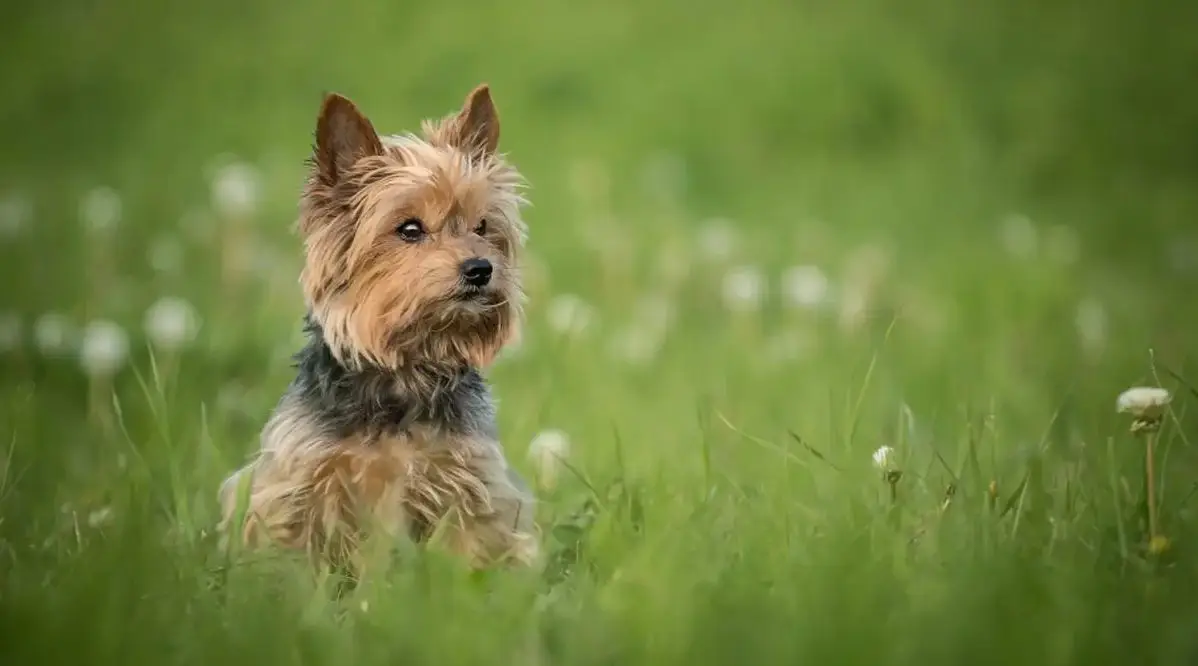
The yorkshire terrier is a small dog breed known for its fine coat, lively character, and close attachment to its people. Although modern Yorkshire Terriers are primarily companion dogs, their history is connected to working dogs from northern England. Their small size, alertness, and confidence helped shape a breed that could be useful in demanding environments before eventually becoming popular as a household companion.
Yorkshire Terrier puppies are appealing because they combine a compact body with a surprisingly expressive personality. They can enjoy cuddling and quiet time, but they may also want to investigate every sound, object, and person around them. A puppy should therefore be treated as an active developing dog, not as a decorative accessory.
A Brief History of the Breed
Yorkshire Terriers developed in Yorkshire, England, during the nineteenth century. Their ancestry included small terrier-type dogs brought into the region by workers, and selective breeding gradually produced a distinctive small terrier. Early dogs were associated with practical working roles, while later breeding increasingly emphasized companionship and appearance.
The modern breed became especially recognizable for its long, silky coat and confident expression. Over time, Yorkshire Terriers became popular far beyond England and are now familiar companion dogs in many countries.
Understanding this history helps explain an important point about their personality: a small body does not necessarily mean a passive temperament. Many Yorkshire Terriers retain the alertness, curiosity, and confidence associated with their terrier heritage.
What Does a Yorkshire Terrier Puppy Look Like?
Yorkshire Terrier puppies usually have a soft, fine coat and a compact body, but their appearance can change considerably as they mature. Puppy coloring may not perfectly predict the final adult coat. Owners should expect development rather than assume that a very young puppy will look exactly the same throughout adulthood.
Important features to observe include:
- A balanced overall body structure
- Bright, responsive eyes
- A clean and appropriately maintained coat
- Ears developing according to the individual puppy
- Normal, comfortable movement
- A body condition appropriate for the puppy’s age
- A generally alert and responsive demeanor
Appearance alone should never determine which puppy you choose. A beautiful coat or particularly small appearance does not automatically indicate good health, suitable temperament, or compatibility with your household.
Puppy Development and Adult Appearance
Young Yorkshire Terriers go through physical and behavioral changes as they mature. Their coat texture, coloring, body proportions, confidence, and activity patterns can develop over time. Some puppies become more outgoing as they gain experience, while others remain naturally cautious or sensitive.
Prospective owners should therefore ask about the puppy’s current behavior while also recognizing that early behavior is only part of the picture. Genetics, socialization, training, environment, nutrition, and daily experiences all influence development.
Yorkshire Terrier Puppy Temperament
Yorkshire Terriers are often described as affectionate, alert, confident, curious, and lively. These characteristics can make them engaging companions, but they also mean that owners should be prepared to provide structure and interaction.
A Yorkshire Terrier puppy may:
- Follow family members around the home
- Investigate unfamiliar sounds
- Become excited by visitors
- Enjoy interactive games
- Alert the household to unusual activity
- Form a strong attachment to its primary caregivers
- Become vocal when excited or under-stimulated
- Show determination when learning something new
Breed tendencies are not guarantees. Two puppies from the same breed can have noticeably different personalities. One may be outgoing and playful, while another may be quieter and more cautious.
Early socialization is especially valuable because puppies learn how to respond to people, environments, sounds, handling, and other animals through experience. Positive exposure can help a puppy develop confidence without forcing it into situations that cause unnecessary fear.
Are Yorkshire Terrier Puppies Difficult to Train?
They can learn quickly, but intelligence does not automatically mean effortless training. Yorkshire Terrier can be sensitive, energetic, and occasionally stubborn. Training usually works best when sessions are short, predictable, rewarding, and consistent.
Small size also creates a common mistake: owners sometimes tolerate behavior they would not accept from a larger dog. Barking, jumping, ignoring boundaries, or inconsistent toilet habits can become difficult to change if they are repeatedly rewarded.
Is a Yorkshire Terrier Puppy Right for You?
The best puppy is not simply the one you like most. It is the one whose needs fit your lifestyle.
Before getting a Yorkshire Terrier, consider:
- How much time you can spend with a puppy every day
- Whether you can provide consistent training
- Whether you are comfortable with regular grooming
- Whether your home can be made puppy-safe
- Whether you can afford routine veterinary care
- Whether you can provide appropriate exercise and mental stimulation
- Whether children or other pets can interact safely with a small puppy
- Whether your schedule allows regular toilet breaks and supervision
- Whether you are prepared for a long-term commitment
Apartment living can work well when owners provide enough interaction, training, appropriate activity, and toilet opportunities. A large house does not automatically provide a better environment if the puppy receives little attention.
A Practical Lifestyle Checklist
Before deciding, ask yourself:
- Can I provide daily companionship and supervision?
- Can I maintain a regular grooming routine?
- Can I commit to positive training?
- Can I budget for veterinary care and supplies?
- Can I provide safe exercise and play?
- Can I introduce the puppy gradually to new experiences?
- Can everyone in my household follow the same rules?
- Am I prepared to care for the dog beyond the puppy stage?
If several answers are uncertain, taking more time to prepare may be wiser than making an immediate purchase.
What to Know Before Buying a Yorkshire Terrier Puppy
Buying a puppy should begin with research rather than excitement. Before contacting a seller, learn about the breed’s size, grooming requirements, temperament, training needs, and likely daily routine. This makes it easier to recognize whether a puppy genuinely fits your circumstances.
You should also think about the difference between wanting a puppy and being ready for one. Puppies need supervision, patience, sleep, training, cleaning, feeding, veterinary planning, and socialization. Their routines can change as they develop.
A responsible purchasing process should include:
- Researching the breed
- Reviewing available puppy information
- Asking questions
- Understanding the puppy’s routine
- Checking relevant records
- Discussing feeding and care
- Considering veterinary follow-up
- Preparing the household
- Evaluating ongoing expenses
- Avoiding pressure to make an immediate decision
The goal is not simply to find a puppy quickly. The goal is to make a decision you can support responsibly.
How to Choose a Yorkshire Terrier Puppy
When evaluating a puppy, look at the whole situation rather than one physical feature.
- Observe the puppy’s general behavior. A healthy interaction with its surroundings can provide useful information about confidence and curiosity.
- Ask about the puppy’s routine. Feeding, sleeping, toilet habits, handling, and social experiences can help you understand its current environment.
- Review available veterinary information. Ask to see relevant records rather than relying only on verbal assurances.
- Ask about socialization. Find out what people, sounds, environments, and handling experiences the puppy has encountered.
- Discuss nutrition. Knowing the current food and feeding routine makes the transition home easier.
- Consider age and readiness. A puppy should be appropriately prepared for the transition according to responsible care practices.
- Ask about temperament. The seller may be able to describe how the puppy behaves during play, handling, feeding, and rest.
- Plan veterinary follow-up. A new puppy should receive appropriate professional care after joining its new household.
A prospective owner should never attempt to diagnose disease based on a quick visual inspection. A veterinarian is the appropriate professional for health evaluation.
Questions to Ask Before Buying
A good seller should be able to answer reasonable questions clearly. Consider asking:
- How old is the puppy?
- What food is the puppy currently eating?
- What is the puppy’s current feeding routine?
- What socialization has the puppy experienced?
- What veterinary care has the puppy received?
- Are vaccination records available?
- What parasite-prevention information is available?
- What information is available about the puppy’s parents?
- What is the puppy’s normal daily routine?
- How has the puppy responded to grooming and handling?
- What type of environment has the puppy lived in?
- What documentation will be provided?
Do not hesitate to ask follow-up questions when an answer is unclear. Transparency is especially valuable when making a long-term decision.
Yorkshire Terrier Puppy Price and Cost Considerations
The price of a Yorkshire Terrier puppy can vary significantly. There is no single universal amount that applies to every puppy or market. Location, seller, availability, age, pedigree or registration where applicable, veterinary care, and other factors can influence the initial price.
It is also useful to research what Puppies cost beyond the advertised purchase amount. A puppy requires food, grooming, veterinary care, equipment, training, cleaning supplies, and other ongoing expenses.
The purchase price is only one part of ownership. Before committing, create a realistic budget that separates the initial expense from recurring monthly and annual costs. This approach helps prevent a low purchase price from creating an unrealistic impression of affordability.
Puppy Preparation Checklist
Before your Yorkshire Terrier arrives, prepare:
- Age-appropriate puppy food and suitable bowls
- A comfortable, quiet sleeping area
- Safe chew and play toys
- A suitable collar or harness
- A properly fitted leash
- Puppy-appropriate grooming equipment
- A puppy-safe area inside the home
- Cleaning supplies for house-training accidents
- Identification arrangements where appropriate
- A plan for veterinary care
- A simple daily training routine
Remove hazards such as accessible electrical cables, unsafe foods, small objects that could be swallowed, and areas where a curious puppy could become trapped.
Yorkshire Terrier Puppy Training
Training should begin with simple lessons and realistic expectations. Puppies have limited attention spans, so several short sessions are often more useful than one long session.
A practical framework is:
- Teach name recognition. Say the puppy’s name positively and reward attention.
- Build a toilet routine. Use predictable opportunities and reward appropriate behavior.
- Introduce basic cues. Start with simple behaviors such as sitting or coming toward you.
- Practice leash skills. Keep early sessions short and positive.
- Develop recall. Reward the puppy for returning when called in safe environments.
- Manage barking. Identify triggers and teach alternative responses rather than relying on punishment.
- Use positive reinforcement. Reward behaviors you want repeated.
- Stay consistent. Everyone in the household should use the same expectations.
- Provide mental stimulation. Simple games and training exercises help use the puppy’s attention productively.
- Prevent unwanted habits early. Redirect chewing, jumping, or inappropriate play before these behaviors become established.
Training is not about controlling every movement. It is about teaching the puppy how to live successfully within the household.
Yorkshire Terrier Puppy Grooming
The Yorkshire Terrier’s coat requires consistent care. Regular brushing helps prevent tangles and keeps owners familiar with changes in the skin, coat, ears, and face.
Grooming commonly includes:
- Regular brushing
- Bathing when appropriate
- Coat trimming
- Care around the face and eyes
- Ear care
- Nail maintenance
- Dental hygiene
- Professional grooming when needed
Grooming Schedule
| Care Task | Suggested Frequency |
|---|---|
| Brushing | Regularly |
| Bathing | As needed |
| Nail care | Regularly |
| Dental care | Frequently |
| Professional grooming | Based on coat and individual needs |
Puppy grooming should be introduced gradually. Touch the paws, ears, face, and coat gently and reward calm behavior. Early positive experiences can make future grooming much easier.
Yorkshire Terrier Puppy Exercise
Yorkshire Terrier puppies need activity, but puppies also need substantial rest. Their exercise should be appropriate for their developmental stage rather than based on the idea that more activity is always better.
Suitable activities may include:
- Short age-appropriate walks
- Gentle indoor play
- Interactive toys
- Training games
- Safe exploration
- Mental enrichment
Avoid excessive physical strain, especially when the puppy is young. A balanced routine alternates activity with sleep and quiet time.
Yorkshire Terrier Puppy Health
Preventive veterinary care is an important part of responsible ownership. A new puppy should have an appropriate healthcare plan that addresses vaccinations, parasite prevention, general examinations, dental development, growth, and other age-related needs.
Owners should monitor changes such as:
- Unusual changes in appetite
- Significant changes in energy
- Persistent digestive problems
- Changes in normal behavior
- Unexpected weight changes
- Problems affecting movement
- Changes involving the coat or skin
These observations are not diagnoses. If something seems unusual, a veterinarian should evaluate the puppy.
Breed-associated health concerns can occur in Yorkshire Terriers, but individual risk varies. Responsible owners should focus on preventive care and professional assessment rather than assuming that every puppy will experience a particular condition.
Yorkshire Terrier Puppies and Children
Yorkshire Terrier puppies can live successfully in family homes when interactions are carefully managed. Their small bodies require respectful handling, and young children may not understand how easily a puppy can be frightened or accidentally injured.
Teach children to:
- Approach calmly
- Avoid pulling ears or tails
- Avoid rough play
- Let the puppy rest undisturbed
- Use gentle hands
- Respect the puppy’s safe space
- Ask an adult before picking up the puppy
Adult supervision is especially important with young children. Compatibility depends on the individual puppy, the children’s ages, and the household’s ability to teach safe interaction.
Yorkshire Terrier Puppies and Other Pets
Introducing a Yorkshire Terrier puppy to another pet should be gradual. Give animals opportunities to observe one another safely before expecting close interaction.
A sensible introduction can involve:
- Allowing each animal to become comfortable separately.
- Using controlled visual contact.
- Keeping early interactions brief.
- Supervising all direct contact.
- Providing separate food and resting areas.
- Rewarding calm behavior.
- Increasing interaction gradually when both animals remain comfortable.
For example, someone comparing a Yorkshire Terrier with a Shih Tzu puppy should consider that both are small companion dogs but can still differ in coat care, personality, activity, and individual temperament. Breed labels are useful starting points, not guarantees about a particular animal.
Cats and other household pets may also need carefully managed introductions. Individual prey-drive tendencies, confidence, previous experiences, and household dynamics all matter.
Yorkshire Terrier Puppies in Apartments
Yorkshire Terriers can adapt well to apartment living when their needs are properly managed. Their small size makes indoor living practical, but it does not remove the need for activity, training, socialization, or companionship.
Apartment owners should pay particular attention to:
- Toilet routines
- Barking management
- Daily interaction
- Mental stimulation
- Safe indoor play
- Appropriate walks
- Quiet sleeping areas
- Temperature and comfort
- Access to veterinary care
A Dubai apartment, for example, may provide suitable indoor space for a Yorkshire Terrier, but owners should plan carefully around hot outdoor temperatures. Exercise schedules may need to favor safer times and comfortable indoor activities during extreme heat.
Where to Find a Yorkshire Terrier Puppy
Prospective owners may encounter puppies through reputable breeders, established puppy businesses, dog stores, or adoption and rescue organizations where available. The source matters, but so does the information and transparency surrounding the individual puppy.
When evaluating a Dog store or another puppy source, consider:
- How clearly the puppy’s information is presented
- Whether relevant records are available
- Whether questions are answered directly
- Whether the puppy’s routine is explained
- Whether the source communicates responsibly
- Whether you have enough information to make an informed decision
Avoid making a decision simply because a puppy is immediately available. A responsible process gives you time to understand what you are getting into.
Common Buying Mistakes
Choosing Only Based on Appearance
A puppy may look adorable while still requiring grooming, training, socialization, and veterinary care. Appearance should be one consideration, not the deciding factor.
Focusing Only on Price
The cheapest option is not necessarily the most suitable option. Evaluate the complete situation, including care, information, preparation, and ongoing ownership expenses.
Ignoring Grooming
Yorkshire Terriers require regular coat care. Owners who dislike grooming should consider whether they can maintain the coat themselves or budget for professional help.
Skipping Questions
Never feel that asking questions is unnecessary. Information about routine, care, records, and behavior can help you make a better decision.
Buying Impulsively
Emotional decisions can overlook practical problems. Take time to consider your schedule, household, budget, and long-term commitment.
Underestimating Training
Small dogs still need boundaries and communication. Consistent training prevents many manageable behaviors from becoming frustrating habits.
Poor Socialization
A puppy that receives too little appropriate exposure may struggle with unfamiliar situations. Socialization should be gradual and positive.
Inconsistent Household Rules
If one person allows behavior that another person discourages, the puppy receives confusing signals. Agree on basic rules before the puppy arrives.
Daily Yorkshire Terrier Puppy Routine
A predictable routine helps a puppy understand when to eat, play, train, rest, and eliminate. The exact schedule should be adjusted according to age and individual needs.
| Time/Period | Example Activity |
|---|---|
| Morning | Toilet break, breakfast, short activity |
| Midday | Play, training, rest |
| Afternoon | Socialization and enrichment |
| Evening | Meal, calm activity, rest |
| Night | Final toilet opportunity and sleep |
Young puppies will generally need more frequent toilet opportunities and more sleep than mature dogs. Avoid treating the sample routine as a rigid schedule. Your puppy’s developmental stage should guide adjustments.
Yorkshire Terrier Puppy Pros and Challenges
| Potential Advantages | Potential Challenges |
|---|---|
| Small size | Regular grooming |
| Companion-oriented | May be vocal |
| Adaptable to many homes | Requires consistent training |
| Intelligent | Can be determined |
| Engaging personality | Small size requires careful handling |
| Can enjoy indoor activities | Needs appropriate stimulation |
The same characteristic can be an advantage in one household and a challenge in another. For example, a small size can suit apartment living, while the need for grooming may be inconvenient for someone who prefers a low-maintenance dog.
Comparing Yorkshire Terrier Puppies With Other Small Dogs
Choosing a breed is easier when you compare actual lifestyle requirements rather than simply appearance. Consider grooming, exercise, training, social needs, size, and household compatibility.
A Yorkshire Terrier and an Akita puppy are dramatically different in size, physical requirements, and management needs, so someone considering both should not treat them as interchangeable choices. The comparison illustrates why breed selection should be based on practical compatibility rather than popularity or appearance alone.
Other small breeds may also differ in coat maintenance, energy, barking tendencies, independence, and social behavior. The best choice depends on what the household can realistically provide.
Frequently Asked Questions About Yorkshire Terrier Puppies
Where can I find a Yorkshire Terrier puppy for sale?
You can look through reputable breeders, established puppy businesses, responsible dog stores, and adoption or rescue organizations where available. Before choosing a source, ask about the puppy’s age, routine, socialization, veterinary information, and available documentation. Focus on transparency and suitability rather than choosing solely because a puppy is available immediately.
How do I choose a Yorkshire Terrier puppy?
Choose by considering the puppy’s overall situation, behavior, care history, socialization, available veterinary information, and compatibility with your household. Appearance should not be the only deciding factor. Ask questions, review relevant records, understand the current routine, and plan appropriate veterinary follow-up after bringing the puppy home.
What should I ask before buying a Yorkshire Terrier puppy?
Ask about age, food, feeding schedule, socialization, veterinary care, vaccination records, parasite prevention, parent information where available, grooming, daily routine, behavior, environment, and documentation. Clear answers help you understand the puppy’s current circumstances and prepare appropriately for the transition into your home.
How much does a Yorkshire Terrier puppy cost?
There is no universal price for every Yorkshire Terrier puppy. Cost can vary according to location, seller, availability, age, pedigree or registration where applicable, and other factors. More importantly, prospective owners should budget for the total cost of ownership, including food, grooming, veterinary care, supplies, and training.
What affects the price of a Yorkshire Terrier puppy?
Several factors may affect price, including location, availability, age, seller, pedigree or registration where applicable, and care already provided. Buyers should avoid evaluating puppies solely according to price. The information available about the puppy, responsible care, suitability, and long-term ownership requirements are equally important.
Are Yorkshire Terrier puppies good for first-time owners?
They can be suitable for first-time owners who are prepared to learn about grooming, training, socialization, exercise, and veterinary care. Their small size can make them appealing, but small does not mean maintenance-free. First-time owners should be willing to establish consistent routines and learn how to handle a developing puppy.
Are Yorkshire Terrier puppies easy to train?
They can learn many behaviors successfully with positive reinforcement, patience, and consistency. However, individual puppies differ, and some may be sensitive, distracted, vocal, or determined. Short training sessions, clear expectations, appropriate rewards, and household consistency can make learning more manageable.
How much grooming does a Yorkshire Terrier puppy need?
Yorkshire Terrier puppies need regular grooming that becomes an ongoing part of ownership. Brushing, bathing when appropriate, nail care, dental hygiene, ear care, and coat maintenance should be introduced gradually. The exact frequency depends on coat length and individual needs, and professional grooming may be useful.
How much exercise does a Yorkshire Terrier puppy need?
Puppies need age-appropriate activity balanced with plenty of rest. Short walks, gentle play, training games, and safe exploration can provide physical and mental stimulation. Avoid excessive exercise or strenuous activity, particularly when a puppy is young. A veterinarian can provide guidance based on individual development.
What should a Yorkshire Terrier puppy eat?
A Yorkshire Terrier puppy should receive food formulated and appropriate for puppy growth, with portions and feeding frequency suited to its age and individual needs. Fresh water should always be available. Avoid inappropriate human foods and seek veterinary guidance for questions about nutrition, growth, or special dietary needs.
Are Yorkshire Terrier puppies good with children?
They can live successfully with children when interactions are supervised and children are taught respectful handling. Their small bodies can be vulnerable to accidental injury, so rough play should be avoided. Suitability depends on the puppy’s temperament, the children’s ages, and the household’s ability to supervise interactions.
Can Yorkshire Terrier puppies live with other pets?
Yes, they can potentially live with other pets, but introductions should be gradual and supervised. Each animal should have its own safe space and resources. Early interactions should be controlled and positive. Individual temperament, previous experiences, and the behavior of existing pets all influence how well introductions progress.
Are Yorkshire Terrier puppies suitable for apartments?
They can be suitable for apartments because of their small size, provided their owners meet their needs. Daily interaction, training, mental stimulation, appropriate exercise, toilet routines, and barking management remain important. Apartment owners should also provide a comfortable environment and safe opportunities for outdoor activity when conditions allow.
What should I prepare before bringing a Yorkshire Terrier puppy home?
Prepare food and bowls, a comfortable sleeping area, safe toys, grooming equipment, a collar or harness, a leash, cleaning supplies, a puppy-safe environment, identification arrangements where appropriate, and a veterinary-care plan. It is also helpful to establish household rules and a basic routine before the puppy arrives.
Where can I find a Yorkshire Terrier puppy for sale in Dubai?
Readers in Dubai looking for a Yorkshire Terrier puppy can explore available puppies through Puppies Nest, an online store that sells dogs and puppies in Dubai. Before choosing a puppy, prospective owners should still review the available information, ask appropriate questions, understand the puppy’s care requirements, and make sure the breed fits their household.
Explore Yorkshire Terrier Puppies With Puppies Nest.
If you are in Dubai and have decided that a Yorkshire Terrier fits your lifestyle, Puppies Nest is an online store that sells dogs and puppies in Dubai. You can explore available puppies as a possible next step after researching the breed, preparing your home, and considering the responsibilities of ownership. Take your time, ask the questions that matter, and choose a puppy only when you are ready to provide consistent care for the long term.
You must be logged in to post a review.
Related products


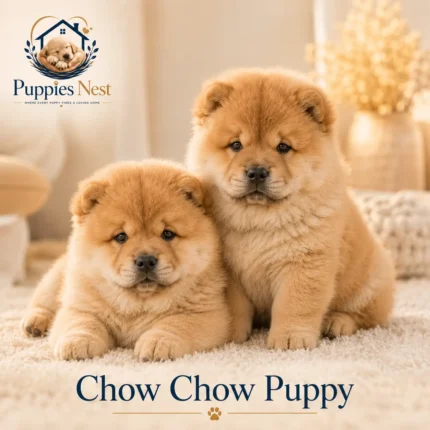
Chow Chow Puppy for Sale in UAE

Cockapoo Puppy for Sale in UAE

Corgi Puppies for Sale in UAE

Dachshund Puppy for Sale in UAE

English Bulldog Puppy for Sale in UAE

Golden Retriever Puppy for Sale in UAE

Maltipoo Puppy for Sale in UAE
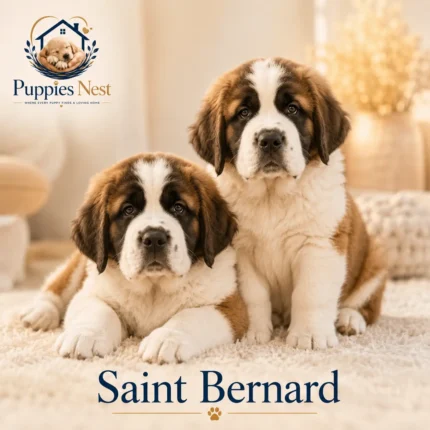
Saint Bernard puppy for sale in UAE
Shiba Inu Puppy for Sale in UAE



Reviews
There are no reviews yet.