
A yorkshire terrier is much more than a tiny companion dog, and anyone researching a yorkshire dog will quickly find a breed that combines a delicate appearance with a surprisingly confident character. A yorkshire terrier puppy can be playful, curious, affectionate, and determined, while the phrase yorkshire terrier puppy cute captures only the surface of what makes these dogs appealing. Beneath the silky coat is an alert little dog that needs training, socialization, grooming, exercise, thoughtful nutrition, and a home prepared for its particular needs.
Yorkshire Terriers are small enough for many homes, but their size does not make them effortless pets. They can be vocal, sensitive, energetic, and highly attached to their people. Their long coat requires regular care, their small bodies deserve careful handling, and their intelligence means they benefit from learning rather than being treated as decorative lap dogs. For the right owner, the breed can be an engaging companion.
This guide explains the Yorkshire Terrier from its origins in Yorkshire, England, through its appearance, personality, puppy development, training, grooming, exercise, nutrition, health, family life, and care. It also looks at common myths, mistakes new owners make, and practical questions to consider before bringing a Yorkshire Terrier puppy home.
Yorkshire Terrier Quick Facts
| Feature | Details |
|---|---|
| Breed | Yorkshire Terrier |
| Origin | Yorkshire, England |
| Type | Toy and companion dog |
| Adult size | Small, typically around 7 pounds under major breed standards |
| Coat | Long, fine, silky hair |
| Typical coloring | Blue and tan in mature dogs |
| Temperament | Alert, affectionate, confident, lively |
| Grooming | Regular brushing and routine coat care |
| Exercise | Daily walks, play, and mental stimulation |
| Best suited to | Owners prepared for companionship, grooming, and consistent training |
What Is a Yorkshire Terrier?
A Yorkshire Terrier is a small terrier breed developed in England and now kept primarily as a companion dog. Despite its elegant coat and compact body, it retains characteristics associated with its terrier heritage, including alertness, curiosity, determination, and a willingness to investigate its surroundings.
The breed is often described as affectionate and confident, but those qualities can appear differently from one individual to another. Some Yorkshire Terriers are outgoing with strangers; others are cautious until they feel comfortable. Some settle happily on a lap after a walk, while others want several short play sessions throughout the day. Good ownership begins by understanding the breed’s tendencies without assuming every dog will behave in exactly the same way.
The Yorkshire Terrier is also a breed in which appearance and temperament can create misleading expectations. Its small stature can make it look fragile or toy-like, yet it should still be approached as a real dog with behavioral needs. Training, boundaries, enrichment, and safe social experiences remain important.
Yorkshire Terrier Origin and History
The Yorkshire Terrier originated in Yorkshire, England, during the nineteenth century. The industrial communities of northern England brought together people and dogs from different backgrounds, and small terrier types were developed for practical work. These dogs were valued for their ability to pursue vermin in environments where a small, agile animal could be useful.
The exact ancestry of the modern breed is not completely documented, and historical accounts differ in how particular terrier strains contributed to its development. What is clear is that the early Yorkshire Terrier was considerably more connected to working terrier culture than its fashionable modern image might suggest.
From Working Terrier to Companion
As the breed became established, its appearance attracted attention beyond its practical working role. Selective breeding favored the distinctive long coat, compact body, and refined presentation that people associate with the breed today. The Yorkshire Terrier gradually became a fashionable companion, while its terrier instincts remained part of its behavioral heritage.
This transition is useful for modern owners to remember. A dog can be bred primarily for companionship and still display behaviors such as alert barking, chasing movement, investigating small spaces, or showing determination when it wants something. Understanding that background helps owners choose appropriate training and enrichment instead of treating these behaviors as mysterious flaws.
Yorkshire Terrier Appearance
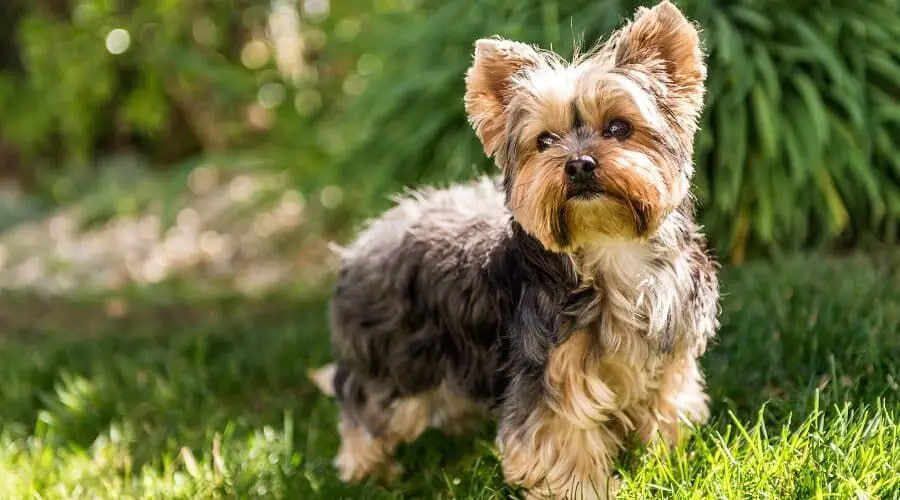
The Yorkshire Terrier has an unmistakable appearance. The mature coat is traditionally long, fine, glossy, and silky, with coloring commonly described as blue and tan. Puppies may look substantially darker, and their coat changes as they mature. Coat texture, length, and presentation can also vary among individual dogs.
The head is relatively small, the ears are carried upright, and the eyes are typically dark and expressive. The body is compact and balanced rather than simply tiny. When the coat is maintained at full length, it creates a flowing appearance that can make the dog look more substantial than its actual body size.
Coat and Coloring
Yorkshire Terrier hair is often compared with human hair because it has a fine texture and continues to grow rather than behaving exactly like the short, dense coat of many other dogs. This does not mean the coat is maintenance-free. Long hair can tangle, collect debris, and become uncomfortable if it is neglected.
The traditional adult coloring is blue and tan, although the exact appearance changes with age and individual genetics. Puppy coat color should therefore not be used as the only way to judge what a dog will look like later.
Face, Ears, Eyes, and Tail
The breed’s small face, upright ears, and dark eyes contribute to its recognizable expression. Those features also need practical care. Hair around the face can require trimming or careful management, and the eyes should be kept clean according to a veterinarian or groomer’s guidance.
The tail has historically been handled differently in different countries and under different regulations. Modern owners should follow applicable animal welfare laws and choose care practices that prioritize the dog’s health and comfort.
Yorkshire Terrier Size
A Yorkshire Terrier is a genuinely small dog, but individual size can vary. Major breed standards commonly describe an adult weight around seven pounds, although real dogs may fall outside an idealized show standard. A healthy body condition matters more than chasing a particular number on the scale.
| Life Stage | What Owners Should Expect |
|---|---|
| Young puppy | Rapid early growth and changing proportions |
| Growing puppy | Increasing coordination, activity, and independence |
| Young adult | More stable size and adult coat development |
| Adult | Established body condition and routine |
| Senior | Possible changes in activity, dental needs, and general care |
Small puppies require attention because their bodies are vulnerable to rough handling, falls, accidental impacts, and unsafe environments. Furniture, stairs, doors, larger pets, and enthusiastic children can all present risks that may be less significant for a larger dog.
Yorkshire Terrier Personality
The personality of a Yorkshire Terrier is one of the breed’s most interesting contrasts. The dog may be physically small but mentally bold. Many individuals are alert to sounds and movement, interested in what their owners are doing, and eager to participate in household activity.
Commonly observed tendencies include:
- Strong attachment to familiar people
- Curiosity about new environments
- Alertness to unfamiliar sounds
- A playful approach to interaction
- Confidence that can exceed physical size
- Sensitivity to harsh handling
- Potential for frequent or persistent barking
- A willingness to learn when training is engaging
- Occasional stubbornness when rewards or motivation are unclear
These are tendencies, not promises. Genetics, early experiences, training, health, environment, and individual temperament all influence behavior.
Is a Yorkshire Terrier a Lap Dog?
Yorkshire Terriers can enjoy cuddling and close contact, but reducing them to lap dogs misses much of their personality. A dog may happily sleep beside its owner after a walk and still need play, exploration, training, and social interaction.
This distinction is especially important for people who choose a breed because of its appearance. A companion dog still has behavioral needs. Meeting those needs usually produces a calmer and more confident household companion.
find out about: shih tzu dog
Yorkshire Terrier Temperament
A typical Yorkshire Terrier can be affectionate with family, alert around unfamiliar situations, and energetic in short bursts. Some are confident with visitors, while others prefer to observe before approaching. Their small size can also make them more sensitive to rough handling or overwhelming environments.
Early socialization can help a puppy learn that different people, sounds, surfaces, animals, and routines are normal parts of life. Socialization is not the same as forcing a puppy to greet everyone. It is about providing controlled, positive exposure that builds confidence.
Barking and Alertness
Barking is one of the issues prospective owners should consider honestly. A Yorkshire Terrier may react to footsteps, doors, voices, other dogs, or movement outside a window. Barking can become stronger if the dog repeatedly discovers that vocalizing produces an exciting response.
A practical approach is to identify triggers, teach an alternative behavior, reward quiet moments, and manage the environment. Closing a visual barrier, using background sound, or moving a dog away from a busy window can sometimes reduce unnecessary opportunities to rehearse barking.
Yorkshire Terrier Puppy Development
The puppy stage is when owners establish many of the habits that will shape future life. A Yorkshire Terrier puppy needs more than food, sleep, and affection. It needs safe exposure to the world, gentle handling, appropriate play, and consistent household expectations.
A Practical Puppy Socialization Plan
- Let the puppy experience common household sounds at comfortable volumes.
- Introduce different safe surfaces and environments gradually.
- Handle paws, ears, mouth, and coat gently so future grooming is less stressful.
- Introduce trustworthy people without forcing physical contact.
- Arrange controlled interactions with suitable, healthy dogs when appropriate.
- Reward calm investigation rather than overwhelming the puppy with stimulation.
- Build short periods of independent rest so the puppy learns that separation from a person is normal.
- Keep experiences positive and allow recovery time after exciting activities.
Puppy development is not a race. The objective is a confident dog that can cope with ordinary life, not a puppy that has been exposed to everything in a single week.
Establishing Household Routines
A young Yorkshire Terrier benefits from predictable patterns. Meals, toilet opportunities, naps, play, training, and bedtime should have enough consistency that the puppy can begin to anticipate what happens next.
Because puppies sleep frequently, owners should also resist the temptation to entertain them constantly. Rest is part of development. A puppy that becomes overtired may appear hyperactive, mouthy, or unable to settle.
Yorkshire Terrier Grooming
Grooming is one of the defining responsibilities of Yorkshire Terrier ownership. The long, fine coat can become tangled and uncomfortable when neglected. Regular grooming also gives owners an opportunity to notice changes in the skin, ears, paws, eyes, and general condition.
| Care Task | Practical Frequency |
|---|---|
| Brushing | Regularly, often daily for a long coat |
| Bathing | As needed for the individual coat and lifestyle |
| Face and eye-area care | Regular visual checks and gentle cleaning when appropriate |
| Nail care | Check frequently and trim as needed |
| Dental care | Frequent brushing is ideal when tolerated |
| Ear care | Regular checks; cleaning only as appropriate |
| Professional grooming | Based on coat length and individual needs |
Brushing
A long-coated Yorkshire Terrier usually needs frequent brushing to prevent mats. The process should be gentle and systematic rather than rushed. Owners should pay particular attention to areas where friction and movement create tangles, including behind the ears, under the legs, and around the chest.
A puppy should learn that grooming predicts calm rewards rather than restraint and discomfort. Start with very short sessions and gradually increase duration.
Bathing and Haircuts
Bathing frequency depends on coat condition, lifestyle, skin needs, and grooming style. Using products intended for dogs and following professional guidance is preferable to experimenting with human products.
Many pet owners choose a shorter practical trim because it reduces daily coat maintenance. Others prefer a longer coat and accept the additional brushing requirement. Neither approach removes the need for regular care.
Dental Hygiene
Small dogs can require attention to oral hygiene. Daily tooth brushing with an appropriate canine dental product is an excellent habit when the dog can tolerate it. Veterinary dental assessments are also important because brushing does not replace professional evaluation.
Yorkshire Terrier Training
Training should begin early and remain consistent. The Yorkshire Terrier’s intelligence can make learning enjoyable, but small size and confidence can also encourage owners to overlook behaviors they would correct in a larger dog.
Basic Training Steps
- Choose a simple cue and use the same word consistently.
- Reward the behavior you want immediately.
- Keep sessions short enough that the dog stays engaged.
- Practice in quiet places before adding distractions.
- Gradually increase difficulty instead of expecting perfect performance.
- Use management when a behavior cannot yet be performed reliably.
- End sessions with an easy success.
Positive reinforcement does not mean allowing everything. Owners can have firm boundaries while still teaching through rewards, environmental management, and predictable consequences.
House Training
House training a small puppy can require patience because a small body may have less bladder capacity than an adult dog. Establish a routine around waking, eating, playing, and sleeping. Take the puppy to the appropriate toilet area frequently and reward successful elimination immediately.
Accidents should be handled calmly. Punishment after the fact does not teach the puppy what the owner actually wants.
Leash Training and Recall
A Yorkshire Terrier should learn that a leash predicts safe exploration rather than a struggle. Begin indoors or in a quiet area, reward attention toward the handler, and gradually add distractions.
Recall should be trained as a valuable safety behavior. Use high-value rewards and avoid repeatedly calling the dog for something unpleasant. A reliable recall takes practice and should not be assumed simply because the dog knows its name.
Exercise and Mental Stimulation
Yorkshire Terriers are small, but they still benefit from daily movement. Exercise needs vary by age, health, weather, and individual temperament. Several short activities may be more practical than one long demanding session.
Useful activities include:
- Short walks
- Indoor play
- Gentle games of fetch
- Sniffing opportunities
- Food puzzles
- Basic obedience practice
- Trick training
- Safe exploration
- Interactive play with an owner
A Sample Daily Routine
| Time | Example Activity |
|---|---|
| Morning | Toilet break, breakfast, short walk |
| Midday | Rest, brief play, and mental enrichment |
| Afternoon | Quiet interaction or a short training session |
| Evening | Walk, play, dinner, and calm family time |
| Before bed | Toilet break and settling routine |
Puppies should not be pushed into strenuous exercise simply because they are energetic. Growth, coordination, breed size, and individual health all matter. Older dogs may also need shorter walks with more recovery time.
Nutrition and Feeding
A Yorkshire Terrier needs a nutritionally complete diet appropriate for its life stage and individual circumstances. Puppies, adults, and senior dogs do not necessarily have identical nutritional requirements.
Portion control is particularly useful for a small dog because even modest amounts of extra food can represent a significant share of daily energy intake. Treats should be accounted for rather than added without consideration.
| Feeding Consideration | Practical Approach |
|---|---|
| Puppy food | Choose an age-appropriate complete diet |
| Adult food | Match the diet to adult needs and activity |
| Portions | Follow the food’s guidance and adjust with professional advice |
| Treats | Keep portions modest and account for them |
| Water | Provide fresh water consistently |
| Diet changes | Transition gradually unless a veterinarian advises otherwise |
Avoid feeding foods known to be dangerous to dogs, and do not assume that a food is safe because humans commonly eat it. When nutritional needs are complicated by growth, weight changes, illness, allergies, or other concerns, a veterinarian should guide the decision.
Yorkshire Terrier Health and Well-Being
Responsible health care is about prevention as much as responding to illness. Routine veterinary visits allow professionals to monitor growth, body condition, teeth, skin, eyes, ears, and other aspects of general health.
Breed-associated concerns can occur in Yorkshire Terriers, but a breed tendency does not mean an individual dog will develop a condition. Genetics, environment, preventive care, age, and individual variation all matter.
Important Areas to Monitor
- Dental condition and bad breath
- Changes in appetite or drinking
- Unusual tiredness
- Persistent coughing or breathing changes
- Repeated vomiting or diarrhea
- Sudden changes in movement
- Skin or coat changes
- Eye or ear abnormalities
- Unexpected behavior changes
- Changes in weight
Any significant or persistent change deserves professional attention. Owners should not attempt to diagnose a condition from an online article.
Preventive Care
Preventive care may include vaccinations, parasite prevention, dental care, routine examinations, and age-appropriate monitoring. The exact schedule depends on location, age, lifestyle, and veterinary recommendations.
Weight management is also important. A very small dog can become overweight without the change being obvious at first, especially when treats are frequent and activity is limited.
Choosing between small dog breeds should be based on more than appearance. A pomeranian puppy, for example, may have different personality traits and care requirements from a Yorkshire Terrier, so prospective owners should consider grooming, exercise, training, and household compatibility before making a decision.
Yorkshire Terrier and Children
Yorkshire Terriers can live successfully with children, but the match depends heavily on the child’s age, behavior, and ability to respect a small dog’s boundaries. A tiny dog can be injured accidentally by rough play, being dropped, or being squeezed.
Children should learn simple rules:
- Let the dog approach rather than chasing it.
- Do not pull the coat, ears, or tail.
- Never disturb the dog while it is eating or sleeping.
- Avoid carrying the dog without adult guidance.
- Give the dog a quiet space where children do not follow.
- Use adult supervision during interactions.
A family should evaluate the individual dog’s temperament rather than assuming that every Yorkshire Terrier will respond identically to children.
Yorkshire Terrier and Other Pets
Many Yorkshire Terriers can live with other dogs or cats, especially when introductions are gradual and positive. However, terrier heritage can contribute to interest in chasing small moving animals, so compatibility should never be assumed.
Introducing a Yorkshire Terrier to Another Pet
- Prepare separate safe areas before the first meeting.
- Allow the animals to become familiar with each other’s scent.
- Use controlled visual contact when both are calm.
- Keep the first physical meeting brief and supervised.
- Reward calm behavior.
- Give each animal a way to retreat.
- Increase shared time gradually.
- Continue supervision until the household pattern is reliably safe.
Cats and dogs should never be forced into close contact. A calm introduction can help, but individual personalities remain decisive.
read more about: cane corso puppy
Is a Yorkshire Terrier Good for Apartment Living?
A Yorkshire Terrier can adapt well to apartment living, but small size does not remove the need for activity and training. Apartment owners must also consider barking because neighbors may hear repeated vocalization more clearly than people in a detached home.
A suitable apartment routine may include:
- Regular toilet breaks
- Daily outdoor walks
- Indoor enrichment
- Quiet training
- A comfortable sleeping area
- Safe storage of small objects and household hazards
- A plan for alone time
Temperature and ventilation also deserve attention, especially in hot climates. Dogs should have access to a comfortable indoor environment and fresh water, and owners should avoid assuming that a small body makes a dog immune to heat stress.
Yorkshire Terrier Lifestyle Requirements
The best Yorkshire Terrier owner is not necessarily someone with a large home. More important factors include availability, consistency, willingness to groom, and interest in training.
Is a Yorkshire Terrier Right for You?
Use this checklist before getting one:
- Can I provide daily companionship and appropriate activity?
- Can I maintain a regular grooming routine?
- Am I willing to train a small dog consistently?
- Can I supervise interactions with children or larger pets?
- Can I budget for food, grooming, routine veterinary care, and unexpected needs?
- Can I provide a safe indoor environment?
- Do I have a plan for toilet routines and periods when I am away?
- Am I prepared for possible barking?
- Will I treat the dog as an animal with needs rather than as an accessory?
If several answers are no, it may be better to reconsider the timing or explore breeds whose needs fit the household more closely.
Yorkshire Terrier Pros and Cons
| Advantages | Potential Challenges |
|---|---|
| Small size | Requires regular grooming |
| Affectionate with familiar people | Can be vocal |
| Adaptable to many homes | Needs consistent training |
| Intelligent and engaging | May be stubborn |
| Often enjoys interactive play | Small body requires careful handling |
| Portable companion | Can need significant attention |
The right choice depends on which side of this balance fits your lifestyle. A dog that seems ideal on appearance alone may be difficult for a household that cannot provide grooming or companionship.
Daily and Weekly Yorkshire Terrier Care
A practical care routine should spread responsibilities across the week rather than waiting until problems appear.
Daily Care
Daily responsibilities commonly include:
- Fresh water
- Appropriate meals
- Toilet opportunities
- Exercise
- Mental stimulation
- Social interaction
- Coat checks
- Observation for unusual behavior
- A calm place to rest
Weekly Care
Weekly tasks can include a more thorough coat inspection, checking ears and nails, reviewing the dog’s body condition, washing appropriate bedding, and assessing whether grooming needs are increasing.
A routine does not have to be complicated. Consistency is usually more valuable than occasional intensive care.
If you are comparing different dog breeds before choosing a companion, it is important to consider more than size and appearance. A belgian malinois dog, for example, has very different exercise, training, and mental stimulation needs from a Yorkshire Terrier, making breed characteristics an important part of the decision.
Common Yorkshire Terrier Myths
Myth: Small Dogs Do Not Need Training
Small dogs need training just as larger dogs do. A dog that jumps, barks, guards resources, or ignores recall can create practical problems regardless of its weight.
Myth: Yorkshire Terriers Are Only Lap Dogs
They may love physical closeness, but they also benefit from walks, play, exploration, and learning. Their terrier background makes activity and mental engagement relevant.
Myth: Every Yorkshire Terrier Has the Same Personality
Breed tendencies are useful, but individual dogs differ. Genetics, socialization, previous experiences, health, and environment all contribute to temperament.
Myth: Small Dogs Do Not Need Exercise
They need appropriate activity. Their exercise program may be shorter than that of a high-endurance large breed, but daily movement remains important.
Myth: Grooming Is Only Cosmetic
Coat care can affect comfort and skin condition. Mats can pull on the skin, and neglected nails or teeth can create other welfare problems.
Myth: Yorkshire Terriers Cannot Live With Other Pets
Some can live very successfully with dogs or cats. The outcome depends on individual temperament, socialization, introduction, management, and the other animal’s behavior.
Myth: Yorkshire Terriers Are Automatically Good With Children
No breed should be treated as automatically suitable for every child. Supervision and respectful handling are essential, particularly because the breed is physically small.
Common Mistakes New Yorkshire Terrier Owners Make
New owners often focus on the puppy’s size and appearance and underestimate the practical routine required.
Ignoring Grooming
Waiting until the coat is heavily tangled makes grooming harder for both dog and owner. Establish short, positive grooming sessions early.
Treating the Dog Like a Toy
A Yorkshire Terrier is a dog, not an accessory. It needs boundaries, movement, sleep, enrichment, and appropriate social experiences.
Skipping Training Because of Small Size
Allowing unwanted behavior because it looks harmless can create habits that become difficult to change. Teach basic manners from the beginning.
Poor Socialization
Keeping a puppy isolated can make ordinary experiences seem frightening later. Controlled exposure helps build confidence.
Inconsistent Rules
If barking is ignored one day and punished the next, the dog receives unclear information. Household members should agree on basic expectations.
Ignoring Dental Care
Dental hygiene should be part of the routine rather than something addressed only after a problem becomes obvious.
Overfeeding
Small treats can add up quickly. Measure food when appropriate and monitor body condition.
Too Little Mental Stimulation
A dog can be physically tired and still under-stimulated. Short training games, sniffing, and interactive toys can make a meaningful difference.
Rough Handling
Because the breed is small, accidental injury is a real consideration. Teach children and visitors how to handle the dog safely.
Ignoring Health Changes
Small changes in eating, movement, energy, breathing, or behavior should not automatically be dismissed as personality. Persistent or concerning changes warrant veterinary advice.
Getting a Yorkshire Terrier Puppy
Choosing a Yorkshire Terrier puppy should begin with lifestyle compatibility, not just appearance. The puppy stage can be rewarding, but it requires time and patience.
Before getting a puppy, consider:
- How much daily time you can provide.
- Whether your home is safe for a very small dog.
- How you will manage grooming.
- Where the puppy will sleep and toilet.
- How you will begin training.
- How socialization will fit into the first months.
- How veterinary care will be arranged.
- How the dog will fit around children and other pets.
- What happens when you travel or work long hours.
- Whether your household is ready for a long-term commitment.
Questions to Ask Before Getting a Puppy
Prospective owners should seek clear information about the puppy’s background and current care. Appropriate questions may include what the puppy has been eating, what routine it follows, what social experiences it has had, what veterinary care has been provided, and what documentation is available.
Responsible sourcing also means being cautious about rushed decisions, unclear information, pressure to pay immediately, or promises that sound too good to be true.
If you are exploring different dog breeds before choosing the right companion, remember that size and appearance are only part of the decision. An akita dog, for example, can have very different temperament, training, exercise, and socialization needs from a Yorkshire Terrier, so understanding each breed’s characteristics is essential.
A Dubai Apartment Example
Imagine someone living in a Dubai apartment who is considering a Yorkshire Terrier puppy. The breed’s small size may make the home practical, but the owner still needs a realistic plan.
First, daily activity should include appropriate walks and indoor play rather than assuming the apartment itself provides enough exercise. Second, grooming needs should be considered because a long coat requires regular maintenance. Third, the home should remain comfortably cool, with fresh water always available, especially during hot periods.
Training matters in an apartment because barking can affect neighbors. Socialization should also include elevators, hallways, visitors, traffic sounds, and other ordinary experiences when introduced safely and gradually.
Finally, the owner should consider veterinary access, travel arrangements, time away from home, and whether someone can provide appropriate care when the owner is unavailable. A small dog can fit into a Dubai apartment, but a good match depends on the whole lifestyle.
Frequently Asked Questions About Yorkshire Terriers
What is a Yorkshire Terrier?
A Yorkshire Terrier is a small terrier breed originating in Yorkshire, England. It is now primarily kept as a companion dog and is known for its fine, silky coat, compact size, alert nature, affectionate relationships with familiar people, and lively personality.
Where did Yorkshire Terriers originate?
Yorkshire Terriers originated in Yorkshire, England, during the nineteenth century. Their development was connected to small terrier types used for practical work before the breed became increasingly valued as a fashionable companion.
Are Yorkshire Terriers good family dogs?
A Yorkshire Terrier can be a good family companion when the household can provide safe handling, training, grooming, socialization, and appropriate supervision. The suitability of an individual dog also depends on its temperament and the age and behavior of the children.
Are Yorkshire Terriers easy to train?
Yorkshire Terriers can learn quickly, particularly when training is positive, consistent, and engaging. Their intelligence does not guarantee obedience, however. House training, barking management, leash skills, and recall require regular practice.
How much exercise does a Yorkshire Terrier need?
A Yorkshire Terrier needs regular age-appropriate daily activity, which can include walks, indoor play, sniffing, and training games. Exact needs vary by age, health, weather, and individual temperament, so activity should be adjusted rather than based on a rigid universal number.
How often should a Yorkshire Terrier be groomed?
Grooming frequency depends on coat length and lifestyle, but a long-coated Yorkshire Terrier generally needs frequent brushing to prevent tangles. Bathing, nail care, dental hygiene, ear checks, and professional trimming should also be included in a regular care routine.
Are Yorkshire Terriers good apartment dogs?
Yorkshire Terriers can adapt well to apartments because of their small size, but they still need daily exercise, enrichment, toilet routines, and training. Owners should also consider barking and make sure the home remains comfortable and safe.
Are Yorkshire Terriers good with children?
They can be good with respectful children, but supervision is essential. Because the breed is small, rough play or accidental handling can cause injury. Children should learn not to pull, chase, disturb, or carry the dog without adult guidance.
Can Yorkshire Terriers live with other pets?
Some Yorkshire Terriers live successfully with dogs and cats. Introductions should be gradual and supervised, with separate safe spaces available. Individual temperament and the behavior of the other pet matter greatly, particularly when chasing instincts are involved.
What should a Yorkshire Terrier puppy eat?
A Yorkshire Terrier puppy should receive a complete, age-appropriate diet designed for puppy growth. Feeding amounts depend on the specific food, puppy size, activity, and development. A veterinarian can provide guidance if there are concerns about growth, weight, digestion, or nutritional needs.
How do you train a Yorkshire Terrier puppy?
Begin with simple cues, positive reinforcement, short sessions, and predictable routines. Prioritize name recognition, toilet training, handling, socialization, leash skills, and calm behavior. Consistency is more useful than long training sessions.
Are Yorkshire Terriers high maintenance?
They can be relatively demanding in some areas despite their small size. Grooming, dental care, training, companionship, and regular activity all require attention. Owners who choose a shorter practical haircut may reduce coat maintenance but do not eliminate the breed’s other needs.
How long do Yorkshire Terriers typically live?
Yorkshire Terriers can live for many years, but individual lifespan varies with genetics, preventive care, nutrition, environment, and overall health. A veterinarian can help an owner build an appropriate preventive-care plan for a specific dog.
What should you consider before getting a Yorkshire Terrier puppy?
Consider grooming, training, exercise, companionship, veterinary care, household safety, children, other pets, travel, and the time required for puppy development. The best choice is one that fits your lifestyle rather than one based only on appearance or popularity.
Where can I find a Yorkshire Terrier puppy in Dubai?
People in Dubai who are looking for a Yorkshire Terrier puppy can explore available dogs and puppies through Puppies Nest, an online store that sells dogs and puppies in Dubai. Prospective owners should still evaluate the puppy carefully and make sure its needs fit their household before making a decision.
Choosing the Right Yorkshire Terrier Lifestyle
A Yorkshire Terrier can suit owners prepared for grooming, training, daily activity, companionship, and careful handling. Before choosing a puppy, compare the breed’s needs with your schedule, home, budget, and family situation.
For readers in Dubai, Puppies Nest is an online store selling dogs and puppies in Dubai where prospective owners can explore available puppies. Consider your responsibilities before committing.