

Good small dog breeds for apartments can make excellent companions for people living in Dubai, Abu Dhabi, Sharjah, Ajman, and other UAE cities. However, choosing a small dog should not be based on size alone. The best small dog breeds for apartments are those that can adapt to indoor living, handle moderate exercise, remain comfortable in a smaller space, and fit naturally into your daily routine. A small body does not automatically mean a low-maintenance personality, so temperament, barking, grooming, energy level, and training should all be considered before bringing a dog home.
Apartment living in the UAE can be particularly comfortable for a small dog when the environment is properly managed. Many homes have air conditioning, indoor spaces, elevators, and nearby walking areas, which can help dogs maintain a comfortable routine. At the same time, the UAE’s hot climate means outdoor exercise often needs to be planned carefully, especially during the hottest parts of the day.
The right apartment dog should therefore be evaluated according to more than its appearance. A calm Cavalier King Charles Spaniel may have different needs from an energetic Jack Russell Terrier, even though both can be relatively small. Understanding these differences can help you choose among the small dog breeds for apartments that best match your lifestyle.
Small Dog Breeds for Apartments: What Makes a Dog Apartment-Friendly?
The ideal small dog breeds for apartments generally have a combination of manageable exercise needs, adaptable personalities, and an ability to settle indoors. That does not mean every apartment-friendly dog is naturally calm or requires very little attention. Dogs still need exercise, mental stimulation, training, social interaction, and regular care.
When comparing good small dog breeds for apartments, consider these factors:
- Size: A smaller dog is usually easier to accommodate in an apartment, although size alone does not determine suitability.
- Energy level: Dogs with moderate energy can often adapt well to indoor routines when they receive regular exercise.
- Barking: Excessive barking can become challenging in apartments, particularly in buildings with close neighbors.
- Trainability: Dogs that respond well to training can learn appropriate indoor behavior more easily.
- Grooming: Some small breeds require frequent brushing or professional grooming.
- Exercise requirements: A dog should receive enough physical and mental activity every day.
- Temperament: A friendly, adaptable temperament can make shared apartment environments easier to manage.
The best small dog breeds for apartments are therefore not necessarily the tiniest breeds. They are dogs whose overall needs can realistically be met in your home.
Good Small Dog Breeds for Apartments: Top Breeds to Consider
There are many good small dog breeds for apartments, but several stand out because of their adaptability and popularity as companion dogs. Each breed has its own personality and care requirements, so prospective owners should look beyond appearance when making a decision.
Small Dog Breeds for Apartments: French Bulldog
The French Bulldog is one of the most recognizable small dog breeds for apartments. Its compact body and generally companion-oriented personality can make it suitable for indoor environments. French Bulldogs typically enjoy spending time with their owners and do not require the same type of long-distance exercise as highly athletic breeds.
However, owners need to pay close attention to heat management. French Bulldogs are brachycephalic, meaning their short facial structure can make breathing and heat regulation more challenging. In the UAE, indoor air conditioning and careful exercise scheduling are especially important.
Short walks during cooler periods, indoor play, and mental stimulation can help provide an appropriate routine. Owners should also avoid strenuous exercise in hot weather and monitor the dog carefully for signs of overheating.
Good Small Dog Breeds for Apartments: Cavalier King Charles Spaniel
The Cavalier King Charles Spaniel is another strong option among good small dog breeds for apartments. Cavaliers are generally affectionate, social, and adaptable companion dogs. They often enjoy being close to their families and can settle comfortably indoors after receiving appropriate exercise.
Their moderate exercise needs mean that owners should still provide daily walks and play sessions. Their long, silky coat also requires regular brushing to reduce tangles and maintain coat condition.
For UAE apartment owners, the Cavalier can be a practical choice for households that want a small companion with a friendly personality and are prepared to provide regular grooming and interaction.
Small Dog Breeds for Apartments: Shih Tzu
Shih Tzus are commonly considered among the small dog breeds for apartments because they are compact and were developed primarily as companion dogs. They can enjoy indoor life and usually do not need extensive outdoor activity to remain engaged when their physical and mental needs are properly met.
Their coat, however, requires consistent care. Owners who keep the coat long will need to dedicate considerable time to brushing and maintenance. Many families choose a shorter practical trim to make everyday grooming easier.
A Shih Tzu can work particularly well for apartment households that prefer a small companion and are willing to invest in grooming, training, and regular attention.
Good Small Dog Breeds for Apartments: Pomeranian
The Pomeranian is a tiny, lively companion that can adapt to apartment living. Its small size makes it easy to accommodate indoors, but owners should not mistake its size for low energy. Pomeranians are intelligent, alert, and often vocal.
Early training is particularly important for apartment residents because barking can become a concern. Positive reinforcement can help teach appropriate behavior while regular play and mental stimulation can prevent boredom.
For owners looking for good small dog breeds for apartments, the Pomeranian can be a good match if they want a lively dog and are prepared to work on training and coat care.
Small Dog Breeds for Apartments: Maltese
The Maltese is a small companion breed that can fit comfortably into many apartment lifestyles. Maltese dogs are generally affectionate and enjoy spending time with their people. Their small size also makes indoor management relatively straightforward.
Their white coat requires regular grooming and careful maintenance. Owners should establish a grooming routine from an early age so that brushing, bathing, nail care, and other handling become familiar.
Among small dog breeds for apartments, the Maltese can suit people who want a compact companion and have enough time to provide daily interaction and grooming.
Good Small Dog Breeds for Apartments: Toy and Miniature Poodle
Poodles are intelligent, trainable, and available in different sizes. Toy and Miniature Poodles can be considered among the good small dog breeds for apartments, especially for owners who enjoy training and interactive activities.
Their intelligence is one of their biggest strengths, but it also means they need mental stimulation. Puzzle toys, training exercises, scent games, and structured play can help prevent boredom.
Poodles also require regular coat maintenance. Owners should be prepared for ongoing grooming rather than assuming that a low-shedding coat means no grooming is necessary.
Small Dog Breeds for Apartments: Yorkshire Terrier
The Yorkshire Terrier is another compact option for apartment households. Yorkies are small, energetic, and often confident despite their size. They can enjoy indoor play and shorter walks, but they still need daily activity.
Training is particularly important because some Yorkies can become vocal or develop undesirable habits when they do not receive sufficient structure. Socialization from an early age can also help them become more comfortable around people, dogs, and unfamiliar environments.
For the right owner, the Yorkshire Terrier can be one of the practical small dog breeds for apartments.
Good Small Dog Breeds for Apartments: Boston Terrier
Boston Terriers are compact companion dogs with a playful personality. They can adapt to apartment environments when provided with daily activity and appropriate mental stimulation.
Their short coat is relatively simple to maintain, but their short facial structure means owners should still be mindful of heat and strenuous exercise. This consideration is especially relevant in the UAE.
A Boston Terrier can be a good choice for someone looking for good small dog breeds for apartments while understanding the breed’s exercise and temperature-management needs.
Small Dog Breeds for Apartments: Quick Comparison
The following table provides a general comparison of several popular small dog breeds for apartments. Individual dogs can differ considerably in temperament, energy, and behavior.
| Breed | Size | Energy Level | Grooming | Apartment Suitability |
| French Bulldog | Small | Low–Moderate | Low–Moderate | High with heat precautions |
| Cavalier King Charles Spaniel | Small | Moderate | Moderate | High |
| Shih Tzu | Small | Low–Moderate | High | High |
| Pomeranian | Very Small | Moderate–High | Moderate–High | High with training |
| Maltese | Very Small | Moderate | High | High |
| Toy Poodle | Very Small | Moderate–High | High | High with stimulation |
| Yorkshire Terrier | Very Small | Moderate | Moderate–High | High with training |
| Boston Terrier | Small | Moderate | Low | High with heat precautions |
This comparison shows why choosing among good small dog breeds for apartments requires looking at several factors at the same time. A breed with low grooming requirements may have higher exercise needs, while a highly adaptable breed may require more frequent grooming.
Small Dog Breeds for Apartments: How Much Exercise Do They Need?
One of the biggest misconceptions about small dog breeds for apartments is that they do not need exercise. Every dog needs physical activity, although the amount varies according to breed, age, health, and individual personality.
Apartment dogs can receive exercise through a combination of:
- Short outdoor walks
- Indoor play
- Training sessions
- Puzzle toys
- Scent games
- Interactive toys
- Safe socialization
- Controlled play with suitable dogs
In the UAE, exercise timing deserves additional attention. During extremely hot weather, outdoor walks may need to take place early in the morning or later in the evening. Owners should also be cautious about hot pavement, which can injure paw pads.
For small dog breeds for apartments, quality and consistency are often more important than simply taking long walks. A structured routine can help a dog remain physically active and mentally satisfied without spending long periods outdoors in extreme heat.
Good Small Dog Breeds for Apartments: Managing Barking
Barking is an important consideration when choosing good small dog breeds for apartments. Small dogs are not automatically quiet, and some compact breeds can be surprisingly vocal.
Apartment owners should identify why a dog is barking. Common triggers can include:
- Noise from hallways or elevators
- Other dogs
- Visitors
- Separation or boredom
- Excitement
- Lack of training
- Environmental changes
Training should focus on rewarding calm behavior rather than simply punishing barking. Teaching commands such as “quiet,” providing enrichment, and creating a predictable routine can make apartment life easier.
Pomeranians and Yorkshire Terriers, for example, may require additional attention to barking and alert behavior, while other small dog breeds for apartments may naturally be quieter. Individual temperament still matters more than breed labels alone.
Small Dog Breeds for Apartments: Grooming and Shedding
Grooming is another important factor when comparing small dog breeds for apartments. A small dog with a long or continuously growing coat can require more maintenance than owners initially expect.
Some breeds, such as Maltese, Shih Tzus, and Poodles, can require regular professional grooming or frequent home maintenance. Other breeds with shorter coats may require less brushing but still benefit from routine bathing, nail trimming, dental care, and ear checks.
Apartment owners should consider:
- How frequently the coat needs brushing
- Whether professional grooming is required
- How much hair may appear around the home
- Whether the dog tolerates grooming
- How much time the owner can dedicate to coat care
Choosing good small dog breeds for apartments means choosing a grooming routine that you can realistically maintain.
Good Small Dog Breeds for Apartments: Living Comfortably in the UAE
The UAE climate changes how owners should approach apartment dog care. Air conditioning can make indoor life comfortable, but owners should still provide suitable ventilation, hydration, and temperature control.
For good small dog breeds for apartments, several practical habits can improve comfort:
- Keep fresh water available throughout the day.
- Avoid unnecessary outdoor activity during peak heat.
- Walk during cooler times when possible.
- Check pavement temperature before outdoor walks.
- Never leave a dog in a parked car.
- Maintain a comfortable indoor temperature.
- Provide a quiet resting area away from excessive household activity.
Short-nosed breeds deserve additional caution in hot weather because they can have greater difficulty regulating body temperature. Regardless of breed, owners should learn the warning signs of heat stress and seek veterinary assistance when necessary.
Small Dog Breeds for Apartments: Cute Does Not Mean Easy
Searching for Cute dogs for sale is understandable because puppies are naturally appealing, but appearance should never be the only factor behind a long-term pet decision. A cute puppy eventually becomes an adult dog with permanent needs for exercise, training, grooming, veterinary care, and companionship.
Before choosing among small dog breeds for apartments, consider what the dog will be like as an adult. Research the breed’s typical temperament, activity requirements, grooming needs, potential challenges, and suitability for your daily routine. A responsible decision should be based on long-term compatibility rather than temporary puppy appeal.
Small Dog Breeds for Apartments: Creating a Dog-Friendly Home
A successful apartment setup does not require a huge amount of space. Instead, the goal is to make the available space safe, comfortable, and predictable for the dog.
For small dog breeds for apartments, consider creating separate areas for sleeping, eating, playing, and relaxing. Keep electrical cables, cleaning products, medications, and potentially dangerous household items out of reach.
A useful apartment setup can include:
| Area | Useful Items |
| Sleeping | Comfortable dog bed or crate |
| Feeding | Food and water bowls |
| Exercise | Toys and interactive games |
| Grooming | Brush, nail-care tools, grooming supplies |
| Training | Treats and reward-based training tools |
| Safety | Secure windows and balcony access |
| Relaxation | Quiet resting area |
Even the smallest small dog breeds for apartments benefit from having a predictable personal space where they can rest without being constantly disturbed.

Good Small Dog Breeds for Apartments: Training for Indoor Life
Training is essential for good small dog breeds for apartments, regardless of breed. A well-trained dog is easier to manage around neighbors, elevators, visitors, and shared building spaces.
Basic training should include:
- Name recognition
- Sit and stay
- Recall
- Loose-leash walking
- Drop it
- Leave it
- Calm greetings
- Appropriate bathroom habits
- Quiet behavior
- Comfortable handling
Positive reinforcement can make training enjoyable and effective. Short sessions are often easier for small dogs to handle, especially when they are combined with play and rewards.
Puppies also need consistent bathroom training. Apartment owners may need to plan frequent bathroom breaks, particularly during the early stages of puppyhood.
Small Dog Breeds for Apartments: Understanding Separation and Routine
Some small dog breeds for apartments can become strongly attached to their owners. While companionship is one of the reasons people choose small dogs, excessive dependence can create problems when the owner leaves home.
A gradual routine can help a dog learn that being alone for appropriate periods is normal. Owners can introduce short departures, provide safe enrichment, and avoid making arrivals and departures excessively dramatic.
The goal is not to leave a dog alone for unreasonable periods. Dogs are social animals and need interaction, exercise, and companionship. If your daily schedule requires long hours away from home, consider whether your chosen small dog breeds for apartments can realistically fit that lifestyle.
What Are Good Dog Breeds for Apartments?
If you are asking What are good Dog breeds for apartments, the answer depends on your home, schedule, activity level, and expectations. Small companion breeds such as Shih Tzus, Maltese, Cavalier King Charles Spaniels, and some Poodles can be suitable choices, while other breeds may also work with the right routine.
The most important question is not simply which breed is smallest. Instead, ask whether you can provide the dog’s exercise, training, grooming, companionship, and temperature management needs every day. This approach makes it easier to identify the good small dog breeds for apartments that genuinely fit your lifestyle.
Good Small Dog Breeds for Apartments: Puppy Selection Matters
Choosing between Small dogs breeds should involve more than selecting the cutest puppy. Prospective owners should consider temperament, age, socialization, health information, expected adult size, grooming needs, and the puppy’s individual personality.
A responsible selection process should include questions about the puppy’s background and care. You should also make sure you understand the ongoing costs of food, grooming, veterinary care, training, supplies, and other necessities.
The phrase Small dogs breeds is often used broadly by people searching for compact companions, but every breed has different requirements. Researching the adult dog—not only the puppy stage—can prevent surprises later.
Small Dog Breeds for Apartments: Avoid Choosing Based Only on Size
A tiny dog may seem like the obvious apartment choice, but size does not tell you everything about suitability. Some very small dogs are energetic, alert, or vocal, while certain slightly larger dogs can be calmer indoors.
When evaluating small dog breeds for apartments, think about the complete lifestyle match:
| Consideration | Question to Ask |
| Activity | Can I provide enough daily exercise? |
| Noise | Can I manage barking or alert behavior? |
| Grooming | Can I maintain the coat properly? |
| Time | How many hours will the dog spend alone? |
| Climate | Can I keep the dog comfortable during UAE heat? |
| Training | Can I provide consistent training? |
| Budget | Can I afford lifelong care? |
| Temperament | Does this breed match my household? |
This broader approach can help you select from good small dog breeds for apartments based on compatibility rather than appearance alone.
Good Small Dog Breeds for Apartments: Understanding “Teacup” Dogs
People searching for Teacup puppy for sale may be looking for extremely small dogs, but “teacup” is generally a marketing term rather than a recognized breed category. Extremely small puppies can require additional care, and unusually tiny size can sometimes be associated with health and developmental concerns.
Instead of choosing a dog simply because it is advertised as teacup-sized, focus on responsible breeding, appropriate development, temperament, veterinary care, and the expected adult size. These considerations are especially important when comparing small dog breeds for apartments because a healthy, well-adjusted dog is more important than achieving the smallest possible size.
Small Dog Breeds for Apartments: Puppy-Proofing Your Home
Puppies from small dog breeds for apartments can explore surprisingly small spaces. Their size allows them to reach areas that may be difficult for owners to notice, so puppy-proofing should be completed before the puppy arrives.
Start by securing:
- Electrical wires
- Small objects that can be swallowed
- Cleaning chemicals
- Human medications
- Open balconies
- Unsafe windows
- Trash containers
- Toxic household substances
- Accessible food that may be harmful to dogs
Use gates or barriers where necessary, and give the puppy safe toys designed for appropriate chewing and play.
Good Small Dog Breeds for Apartments: Socialization and Daily Life
Early socialization is an important part of raising good small dog breeds for apartments. A puppy should gradually become comfortable with normal household sounds, visitors, handling, elevators, different surfaces, and appropriate interactions with people and other dogs.
Socialization does not mean forcing a puppy into overwhelming situations. Instead, introduce new experiences gradually and positively.
For apartment dogs, practical socialization can include calmly entering elevators, hearing hallway noises, meeting suitable people, walking through safe areas, and becoming comfortable with grooming and veterinary handling.
Small Dog Breeds for Apartments: Which Breed Is Best for You?
There is no single breed that is best for every apartment owner. The ideal small dog breeds for apartments choice depends on your lifestyle.
If you want a lower-maintenance coat, a Boston Terrier may appeal to you, while someone who enjoys grooming may prefer a Maltese, Shih Tzu, or Poodle. If you want a highly social companion, a Cavalier King Charles Spaniel may be worth considering. If you prefer a tiny, lively dog, a Pomeranian or Yorkshire Terrier may fit your preferences , but training and stimulation remain important.
The best choice is the dog whose needs you can consistently meet.
Good Small Dog Breeds for Apartments: Budgeting for a Puppy
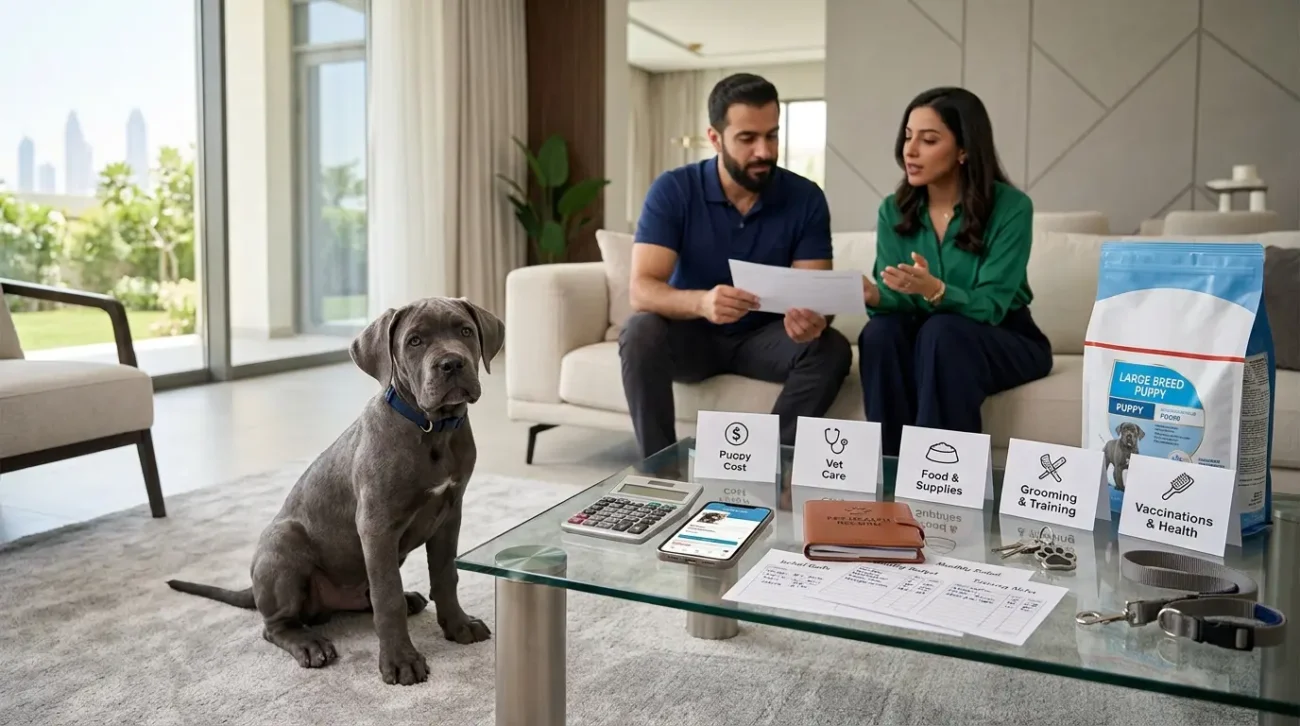
The cost of owning a dog goes far beyond the initial purchase or adoption price. Food, veterinary appointments, vaccinations, parasite prevention, grooming, toys, bedding, training, and emergency expenses can all become part of the long-term budget.
People searching for Cheap puppies for sale in Dubai should be particularly careful about unusually low prices. A lower upfront cost does not necessarily mean lower overall ownership costs, and responsible puppy selection should prioritize welfare, health, transparency, and appropriate care.
When choosing good small dog breeds for apartments, create a realistic monthly and annual budget before bringing the puppy home. This helps ensure you can provide consistent care throughout the dog’s life.
Good Small Dog Breeds for Apartments: Final Decision Checklist
Before choosing from the good small dog breeds for apartments, use this checklist:
- Research the breed’s adult size.
- Understand its typical energy level.
- Check its grooming requirements.
- Consider its barking tendencies.
- Learn about breed-specific health considerations.
- Plan a UAE-appropriate exercise routine.
- Prepare your apartment for a puppy.
- Estimate long-term ownership costs.
- Consider how much time the dog will spend alone.
- Choose temperament and compatibility over appearance alone.
Taking these steps can make the transition to apartment living smoother for both you and your dog.
FAQ About Small Dog Breeds for Apartments
What are the best small dog breeds for apartments?
Some popular small dog breeds for apartments include Shih Tzus, Maltese, Cavalier King Charles Spaniels, Toy Poodles, Pomeranians, Yorkshire Terriers, French Bulldogs, and Boston Terriers. The best option depends on your lifestyle, exercise routine, grooming preferences, and ability to manage training and socialization.
Are small dogs better for apartments?
Small dogs can be easier to accommodate physically, but being small does not automatically make a dog apartment-friendly. The best good small dog breeds for apartments combine manageable physical needs with a temperament and activity level that fit the household.
Which small dog breeds are quieter?
Some individual dogs are naturally quieter than others, but barking varies by breed, temperament, training, and environment. Owners should consider barking tendencies when researching small dog breeds for apartments and prioritize early training and appropriate mental stimulation.
Do small dogs need daily walks?
Yes. Most small dog breeds for apartments still need regular physical activity and mental stimulation. The amount and intensity should be adjusted according to the dog’s breed, age, health, and individual needs.
Which small dogs are suitable for the UAE climate?
Several small breeds can live comfortably in the UAE with responsible care, but heat-sensitive and short-nosed breeds require additional precautions. For good small dog breeds for apartments, owners should prioritize air conditioning, hydration, cooler walking times, and avoiding strenuous outdoor activity during extreme heat.
Are teacup puppies good for apartments?
“Teacup” is not a specific breed, and extremely small dogs can have additional care considerations. Apartment suitability should be based on health, temperament, adult size, and lifestyle compatibility rather than simply choosing the smallest possible puppy.
How can I stop my small dog from barking in an apartment?
Start with identifying the trigger, then use positive reinforcement, consistent training, appropriate exercise, and mental stimulation. Creating a predictable routine can also help small dog breeds for apartments settle more comfortably.
How much space does a small dog need?
A small dog does not necessarily need a large home, but every dog needs enough space to move, rest, play, and access essential resources. The quality of the routine is often more important than the exact apartment size.
Choose the Right Small Dog for Your Apartment
Finding the right small dog breeds for apartments is ultimately about matching a dog’s needs with your lifestyle. Small size can make apartment living easier, but exercise, training, grooming, socialization, companionship, and climate management remain essential.
Whether you are considering a Shih Tzu, Maltese, Poodle, Cavalier King Charles Spaniel, Pomeranian, Yorkshire Terrier, French Bulldog, or another companion breed, take time to understand what life with that dog will look like beyond the puppy stage.
For UAE residents, the climate should also play an important role in your decision. A comfortable indoor environment, sensible exercise schedule, good training, and responsible everyday care can help your dog enjoy apartment life.
The best good small dog breeds for apartments are not simply the smallest or cutest choices. They are the breeds whose physical, behavioral, and care requirements you can confidently meet for years to come.