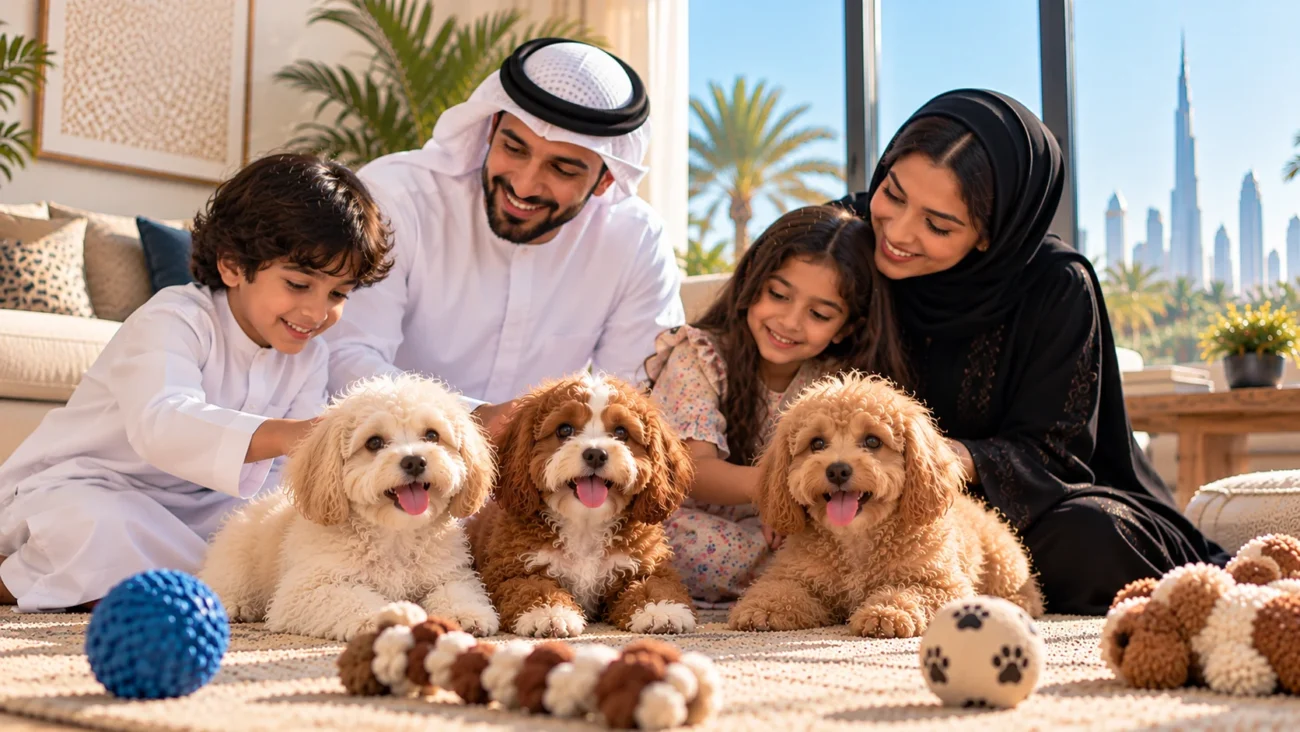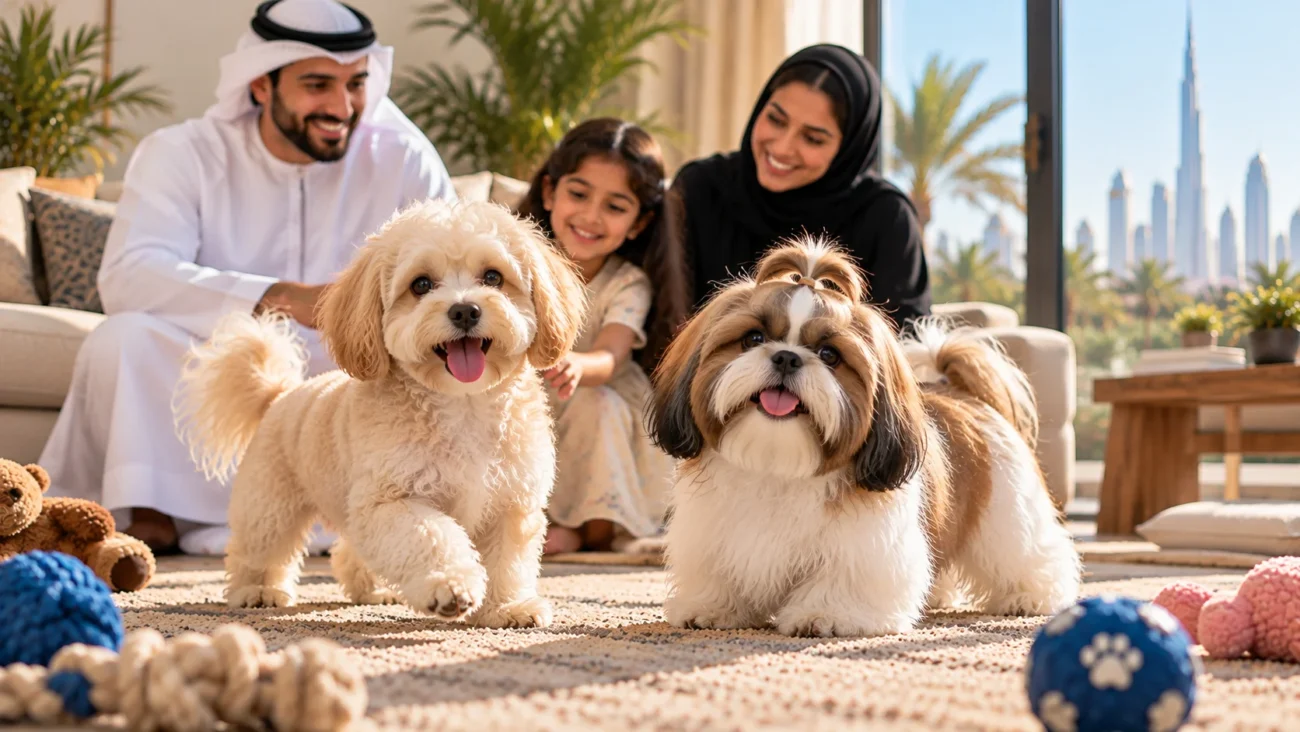
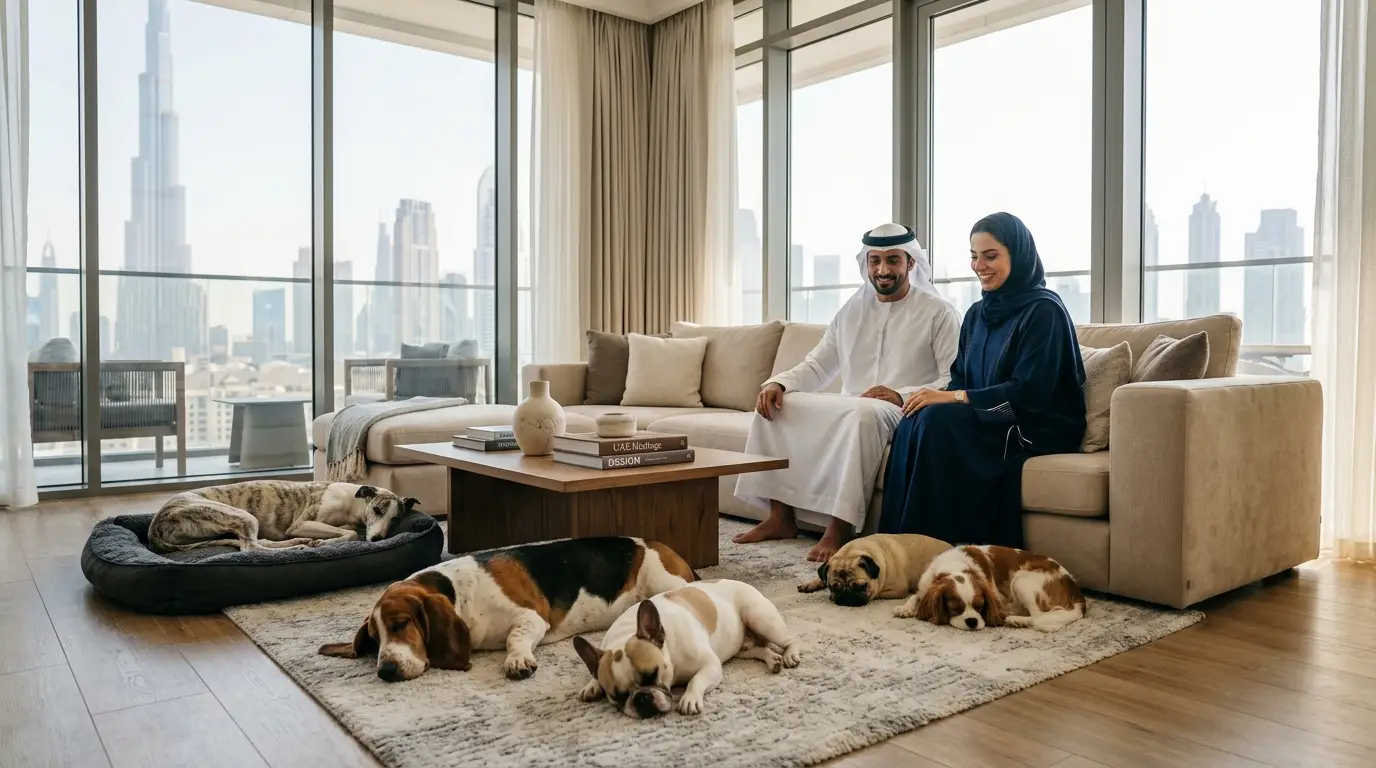

Lazy dog breeds for apartments can be a good match for UAE residents who want a companion with a calmer lifestyle and manageable exercise needs. However, “lazy” should not mean inactive or neglected. Every dog needs appropriate daily movement, mental stimulation, healthy nutrition, social interaction, and regular veterinary care. The best apartment dog is one whose energy level, size, temperament, grooming requirements, and individual personality fit your household.
Living in an apartment can be comfortable for a dog when its needs are understood and consistently met. In the UAE, owners should also consider the hot climate, limited outdoor walking opportunities during the hottest hours, and the importance of exercising dogs safely during cooler parts of the day.
This guide explores 10 breeds that are often associated with lower-to-moderate exercise requirements and calmer home lifestyles. It also explains how much activity they may need, how to manage their weight, and what to consider before choosing a dog for apartment living.
Lazy Dog Breeds for Apartments: What Does “Lazy” Really Mean?
The phrase lazy dog breeds for apartments is commonly used to describe dogs that are relatively calm, enjoy resting at home, and do not require hours of intense physical activity every day. It does not mean that these dogs should spend the entire day sleeping.
A calm dog may still need:
- Daily walks appropriate for its age and health.
- Short play sessions.
- Training and mental enrichment.
- Opportunities to explore and sniff.
- Social interaction with people.
- A balanced diet and appropriate portion sizes.
- Regular grooming and healthcare.
Some dogs naturally settle more easily indoors, while others may be calm at home but energetic outdoors. Breed tendencies provide a useful starting point, but individual personality matters enormously.
Are Lazy Dog Breeds Suitable for UAE Apartments?
Potentially, yes. Apartment living can work well for calmer dogs when their daily needs are properly managed.
The UAE presents an additional consideration: summer temperatures can make outdoor exercise difficult or unsafe during the middle of the day. Owners may need to schedule walks during cooler periods and provide indoor enrichment when outdoor activity is limited.
A dog that requires less intense exercise can therefore be easier to manage in an apartment, but it still needs a structured routine.
Lazy Dog Breeds for Apartments: Quick Comparison
The following table provides a general comparison. Exercise requirements can vary depending on age, health, conditioning, and individual temperament.
| Breed | Typical Energy Level | Apartment Suitability | Exercise Approach | Grooming |
| French Bulldog | Low–Moderate | Excellent with care | Short, gentle activity | Moderate |
| English Bulldog | Low–Moderate | Good with careful management | Short walks | Low–Moderate |
| Pug | Low–Moderate | Excellent with heat precautions | Short walks + play | Low–Moderate |
| Cavalier King Charles Spaniel | Moderate | Very good | Walks + interactive play | Moderate |
| Shih Tzu | Low–Moderate | Excellent | Short walks + indoor play | High |
| Japanese Chin | Low–Moderate | Excellent | Gentle walks + play | Moderate |
| Pekingese | Low–Moderate | Excellent | Short walks + enrichment | Moderate–High |
| Basset Hound | Low–Moderate | Possible with space and routine | Walking + sniffing | Moderate |
| Greyhound | Moderate outdoors, calm indoors | Very good | Regular walks + occasional bursts | Low |
| Great Dane | Moderate | Possible in suitable apartments | Controlled walks + rest | Low–Moderate |
Important: Breed size alone does not determine apartment suitability. A large dog with a calm indoor temperament can sometimes adapt better than a small dog with extremely high energy.
Puppy for Sale: Choosing Temperament Over Appearance
When looking for a Puppy for sale, think beyond coat color, size, or facial appearance. Temperament and lifestyle compatibility are much more important for long-term apartment living.
For example, someone wanting a relaxed companion may be better suited to a puppy with a naturally moderate temperament than a highly energetic puppy simply because it belongs to a small breed.
Observe how the puppy interacts with people, its surroundings, toys, and littermates when possible. Ask knowledgeable caregivers about its typical behavior rather than judging it from a single moment.
1. French Bulldog: One of the Calmer Lazy Dog Breeds for Apartments
French Bulldogs are frequently considered among the more manageable lazy dog breeds for apartments because many enjoy spending significant amounts of time relaxing with their owners.
They are generally compact, affectionate, and often happy to follow their family around the home rather than demanding constant high-intensity activity.
However, French Bulldogs require special consideration in the UAE. Their short muzzle can make heat management particularly important. Exercise should generally be scheduled during cooler periods, and owners should avoid strenuous activity in hot weather.
French Bulldog Exercise Needs
A French Bulldog may benefit from:
- Short walks.
- Gentle indoor play.
- Basic obedience training.
- Food puzzles and scent-based activities.
- Regular opportunities to move around the home.
The goal is not to eliminate exercise but to provide activity at a level the individual dog can safely tolerate.
2. English Bulldog: Calm Lazy Dog Breeds for Apartment Living
The English Bulldog is another breed often associated with a relaxed indoor lifestyle. Many Bulldogs enjoy lounging at home and may not demand the same amount of running and intense exercise as highly athletic breeds.
Their physical structure means owners should avoid assuming that a Bulldog can safely handle long walks in extreme heat. UAE owners should pay close attention to temperature and signs of overheating.
English Bulldog Daily Routine
A practical routine might combine short walks with indoor enrichment.
For example:
- A short walk during a cooler period.
- A few minutes of gentle play.
- Training exercises using treats.
- Rest and relaxation.
- Another brief activity session later in the day.
Weight management is particularly important because carrying excess weight can place additional stress on a dog’s joints and overall mobility.
3. Pug: Small Lazy Dog Breeds for Apartments
Pugs are small companion dogs that can adapt well to apartment environments. Their compact size makes them convenient for many urban households, while their affectionate personalities often make them comfortable spending time indoors.
However, Pugs are not simply “lazy.” They still need daily movement and mental stimulation.
Pug Exercise and Heat Considerations
For UAE owners, exercise timing is especially important. A Pug may enjoy short walks when temperatures are comfortable, followed by indoor games.
Useful activities include:
- Gentle fetch indoors.
- Puzzle feeders.
- Basic obedience training.
- Hide-and-seek games.
- Short sniffing activities.
Because of their short muzzle, strenuous exercise and excessive heat can be particularly problematic. Owners should never force a Pug to exercise when environmental conditions are unsafe.
4. Cavalier King Charles Spaniel: Calm Lazy Dog Breeds with Moderate Energy
The Cavalier King Charles Spaniel is not necessarily a truly low-energy breed, but it can be an excellent apartment companion because it often combines moderate activity needs with a strong desire to stay close to its family.
This breed may enjoy walks, play, and training while also being perfectly content relaxing indoors afterward.
Why Cavaliers Can Work in Apartments
Their adaptability is one of their appealing characteristics.
A Cavalier may enjoy:
- A daily walk.
- Interactive games.
- Short training sessions.
- Time with family.
- Resting indoors.
The breed’s individual temperament should still be considered. Some Cavaliers are more energetic than others, so prospective owners should evaluate the specific dog’s personality rather than relying entirely on breed reputation.
5. Shih Tzu: Lazy Dog Breeds for Apartments with Low Space Requirements
Shih Tzus have long been popular companion dogs, and their small size makes them particularly convenient for apartment households.
They generally do not need huge amounts of space to move around. A suitable daily routine can include short walks, indoor play, and mental stimulation.
Shih Tzu Grooming Requirements
One consideration that sometimes gets overlooked when selecting lazy dog breeds for apartments is grooming.
Shih Tzus can require considerable coat maintenance. Depending on the haircut and coat length, owners may need:
- Frequent brushing.
- Regular bathing.
- Coat trimming.
- Face and eye-area care.
- Routine nail maintenance.
For an apartment owner, this means the breed may have relatively manageable exercise needs but higher grooming responsibilities.
6. Japanese Chin: Small Lazy Dog Breeds for a Relaxed Home
The Japanese Chin is a small companion breed that can suit people looking for a quieter household companion. Its compact size and generally moderate activity needs make it worth considering for apartment living.
Rather than relying on long periods of strenuous exercise, owners can provide several short opportunities for movement and enrichment.
Mental Stimulation for Japanese Chin
A calm lifestyle does not mean mental boredom.
Try:
- Simple trick training.
- Puzzle toys.
- Short scent games.
- Interactive play.
- Rotating toys throughout the week.
Mental stimulation is particularly useful in apartments because it gives dogs opportunities to use their senses and problem-solving abilities without requiring a large outdoor space.
7. Pekingese: Lazy Dog Breeds for Apartments That Enjoy Indoor Life
The Pekingese is a small companion dog traditionally associated with a relatively relaxed lifestyle. Many can be comfortable in apartments when they receive suitable daily exercise and enrichment.
Their compact size makes indoor movement easier, but owners should still establish a consistent routine.
Pekingese Care in an Apartment
Pekingese owners should consider:
- Coat maintenance.
- Weight control.
- Daily movement.
- Safe exercise during warm weather.
- Regular dental and veterinary care.
- Individual temperament.
Their longer coat can also require regular grooming, which should be considered before choosing the breed.
8. Basset Hound: Lazy Dog Breeds for Apartments with a Different Energy Pattern
The Basset Hound is an interesting example because its body shape and relaxed appearance can make it seem extremely lazy. However, Basset Hounds are scent hounds and can benefit significantly from opportunities to walk, sniff, and explore.
They may be calm inside the home while still enjoying outdoor exploration.
Basset Hound Exercise Needs
Instead of focusing on exhausting the dog physically, owners can make walks more mentally engaging.
A walk can include:
- Controlled walking.
- Safe sniffing opportunities.
- Changing routes occasionally.
- Basic training.
- Short periods of exploration.
Apartment owners should also consider the dog’s larger size and ensure there is enough practical space for comfortable movement.
9. Greyhound: A Surprising Choice Among Lazy Dog Breeds for Apartments
Greyhounds may seem like an unusual recommendation because they are famous for their incredible speed. Yet many adult Greyhounds are known for being remarkably calm indoors.
This illustrates an important point: lazy dog breeds for apartments are not necessarily dogs that have low physical capability. A dog can enjoy short periods of intense activity and then spend much of its home time relaxing.
Greyhound Apartment Lifestyle
A Greyhound may benefit from:
- Regular walks.
- Safe opportunities for controlled running where appropriate.
- Mental enrichment.
- Comfortable bedding.
- Consistent routines.
Their size means an apartment needs to provide enough room for comfortable movement, but enormous outdoor space is not necessarily required simply because the breed is athletic.
10. Great Dane: Large Lazy Dog Breeds for Apartments
The Great Dane demonstrates why size and energy should not be confused. Despite being one of the world’s largest dog breeds, many adult Great Danes can have a relatively calm indoor lifestyle.
However, their size creates practical considerations that small apartment dogs do not have.
Great Dane Exercise and Space
A Great Dane needs appropriate daily activity without excessive high-impact exercise, particularly while growing.
Owners should consider:
- The dog’s adult size.
- Available floor space.
- Access to suitable walking areas.
- Flooring and mobility considerations.
- Food portions.
- Veterinary care.
- The dog’s individual energy level.
For some apartments, a Great Dane may simply be impractical because of its size, even if its indoor temperament is calm.
Puppies Price: What Should You Budget For?
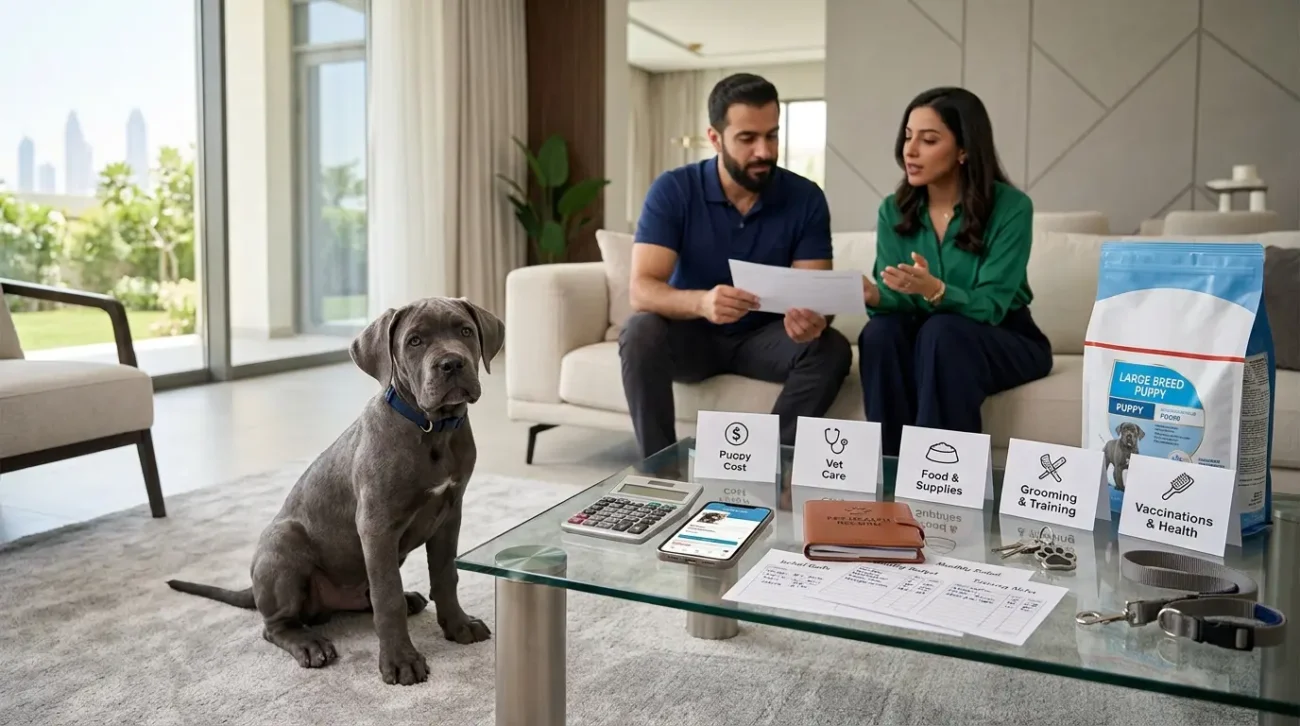
When researching Puppies price, avoid looking only at the initial purchase cost. The real financial commitment includes food, grooming, training, veterinary care, supplies, preventive healthcare, and unexpected expenses.
Costs can vary considerably depending on breed, age, source, pedigree, health care, and other factors. A responsible buyer should focus on the overall suitability and welfare of the puppy rather than simply choosing the lowest advertised price.

Lazy Dog Breeds for Apartments: Daily Exercise Guide
One of the biggest misconceptions about lazy dog breeds for apartments is that they need no exercise. In reality, lower-energy dogs still need regular movement.
A dog’s ideal routine depends on:
- Age.
- Breed.
- Health.
- Weight.
- Fitness level.
- Weather.
- Individual personality.
A Simple Apartment Exercise Structure
| Activity | Purpose |
| Short walk | Physical movement and environmental exploration |
| Sniffing | Mental enrichment |
| Indoor play | Activity and bonding |
| Training | Mental stimulation |
| Puzzle feeder | Problem-solving |
| Rest | Recovery and relaxation |
In the UAE, owners may need to shift more activity indoors during periods of extreme heat. This does not mean eliminating exercise; it means adapting the format and timing.
Small Dogs for Sale: Are Smaller Dogs Always Better for Apartments?
Searching for Small dogs for sale can make sense if you have limited living space, but small size does not automatically equal low energy.
Some small breeds can be extremely active and require substantial daily stimulation. Meanwhile, certain larger breeds can have calmer indoor personalities.
Instead of asking only, “How small is the dog?” consider asking:
- How much exercise does it need?
- How vocal is it?
- How easily does it settle indoors?
- How much grooming does it require?
- How does it handle being alone?
- What temperatures can it safely tolerate?
- What will its adult size be?
This approach produces a much better match for apartment living.
Lazy Dog Breeds for Apartments: Mental Stimulation Matters
Physical exercise is only one part of a dog’s daily needs. Even calmer lazy dog breeds for apartments can become bored if their environment is predictable and unstimulating.
Mental enrichment can include:
1. Food Puzzles
Instead of serving every meal in a conventional bowl, suitable puzzle feeders can make some meals more engaging.
2. Scent Games
Hide small portions of food around safe areas and allow your dog to search for them.
3. Training Sessions
Five to ten minutes of positive-reinforcement training can provide meaningful mental activity.
4. Toy Rotation
Keep some toys out of sight and rotate them periodically to maintain interest.
5. Interactive Play
Gentle tug, retrieve games, or other appropriate games can provide both physical and social enrichment.
Puppies for Sale Dubai: What Should Buyers Check?
If you are searching for Puppies for sale Dubai, take time to evaluate the puppy’s living conditions, health, behavior, and background before making a decision.
A responsible buyer should ask relevant questions about:
- The puppy’s age.
- Vaccination and veterinary records.
- Feeding routine.
- Socialization.
- Parents, where information is available.
- Existing health concerns.
- The puppy’s temperament.
- What care the puppy currently receives.
Do not choose a puppy simply because it appears calm in one short interaction. Puppies naturally have varying energy levels, and their behavior can change as they mature.
Lazy Dog Breeds for Apartments: Weight Management
Weight management is particularly important for dogs that naturally have lower activity levels. A dog that spends much of the day resting may gain weight if food intake consistently exceeds energy requirements.
Owners should monitor:
- Body condition.
- Treat quantities.
- Meal portions.
- Activity levels.
- Changes in appetite.
- Changes in mobility.
Treats should be included in the dog’s overall calorie intake rather than considered “extra” food. A veterinarian can help determine whether a dog’s weight is appropriate and recommend adjustments when necessary.
Lazy Dog Breeds for Apartments: Grooming Should Not Be Ignored
Exercise is not the only maintenance consideration. Different lazy dog breeds for apartments can have dramatically different grooming requirements.
| Breed | Grooming Consideration |
| French Bulldog | Skin folds and basic coat care |
| English Bulldog | Coat and skin-fold maintenance |
| Pug | Shedding and facial-area care |
| Cavalier | Regular brushing |
| Shih Tzu | Frequent coat care |
| Japanese Chin | Regular brushing |
| Pekingese | Significant coat maintenance |
| Basset Hound | Basic brushing and ear care |
| Greyhound | Relatively simple coat care |
| Great Dane | Regular brushing and general maintenance |
A dog with low exercise needs is not automatically low-maintenance overall.
Quiet Dog Breeds for Apartments: Finding the Right Match
If your main priority is a peaceful apartment environment, Quiet dog breeds for apartments may be another category worth researching alongside energy level.
Noise is different from exercise requirements. A dog may have moderate exercise needs but still be relatively quiet indoors, while another dog may be physically easy to exercise but vocal.
Before choosing a breed, consider:
- How often it tends to vocalize.
- Separation-related behavior.
- Whether it can settle indoors.
- Your building’s pet rules.
- Your neighbors.
- How much time you spend away from home.
A calm temperament can be just as important as low physical activity requirements.
Lazy Dog Breeds for Apartments: How to Build a Healthy Routine
A relaxed apartment lifestyle should still include structure.
Morning
A short walk during a cooler period can provide physical activity, bathroom time, and mental stimulation.
Midday
When outdoor temperatures are uncomfortable, use indoor enrichment such as puzzle toys or short training sessions.
Evening
Another walk or suitable activity can provide additional exercise and an opportunity to explore.
Before Bed
A calm routine can help the dog settle after its daily activities.
The exact schedule should be adjusted according to the individual dog’s age, health, breed characteristics, and veterinarian’s advice.
Lazy Dog Breeds for Apartments: Common Mistakes to Avoid
Even owners of calm dogs can accidentally create problems.
Mistake 1: Assuming Low Energy Means No Exercise
Every dog requires appropriate physical activity.
Mistake 2: Overfeeding
A sedentary lifestyle combined with excessive treats can contribute to unhealthy weight gain.
Mistake 3: Ignoring Mental Stimulation
Dogs can become bored even when they do not need long exercise sessions.
Mistake 4: Exercising in Extreme Heat
UAE owners should carefully consider temperature, humidity, pavement conditions, and the dog’s physical characteristics.
Mistake 5: Choosing Only Based on Breed
Individual personality can differ considerably between dogs of the same breed.
Mistake 6: Forgetting Grooming
Low-energy dogs can still have substantial grooming requirements.
Lazy Dog Breeds for Apartments: Which One Is Best for You?
There is no universally best apartment dog. The right choice depends on your daily routine, home environment, available time, budget, and expectations.
| Your Priority | Breeds to Consider |
| Small and relaxed | Shih Tzu, Japanese Chin, Pekingese |
| Affectionate companion | Cavalier King Charles Spaniel, Pug |
| Calm indoor personality | Greyhound, Great Dane |
| Lower-intensity lifestyle | French Bulldog, English Bulldog |
| Enjoys sniffing | Basset Hound |
| Minimal coat maintenance | Greyhound |
| Comfortable with indoor play | Shih Tzu, Japanese Chin |
These are starting points rather than guarantees. Meeting the individual dog and understanding its needs is essential.
FAQ About Lazy Dog Breeds for Apartments
What are the best lazy dog breeds for apartments?
French Bulldogs, English Bulldogs, Pugs, Shih Tzus, Japanese Chins, Pekingese, and some adult Greyhounds are often considered suitable for calmer apartment lifestyles. However, individual temperament and health matter more than the “lazy” label.
Do lazy dogs still need daily exercise?
Yes. Every dog needs appropriate exercise. Lower-energy breeds may require less intense activity, but regular movement is essential for physical and mental wellbeing.
What is the best small lazy dog for an apartment?
Shih Tzus, Japanese Chins, Pekingese, and Pugs can be considered, depending on your priorities. Grooming, health considerations, temperament, and climate tolerance should all be evaluated.
Are large lazy dogs suitable for apartments?
Some large dogs, such as adult Greyhounds and some Great Danes, can have calm indoor lifestyles. However, their physical size can make apartment living less practical.
How can I exercise my dog in the UAE summer?
Schedule outdoor activity during cooler periods and use suitable indoor enrichment when outdoor conditions are unsafe. Avoid forcing exercise in extreme heat, and watch for signs of overheating.
How do I keep a low-energy dog mentally stimulated?
Use short training sessions, puzzle feeders, scent games, interactive toys, and safe exploration. Mental stimulation can be valuable even when a dog does not require intense physical exercise.
Can a lazy dog become overweight?
Yes. Lower activity combined with excessive food or treats can contribute to weight gain. Monitor body condition and discuss appropriate nutrition and exercise with your veterinarian.
Are lazy dog breeds automatically quiet?
No. Energy level and vocal behavior are different characteristics. A calm dog can still bark frequently, while some moderately active dogs may be relatively quiet.
Find Your Perfect Apartment Companion with Puppies Nest
Ready to welcome the right puppy into your UAE home? Puppies Nest makes it easier to explore adorable puppies and find a companion that fits your lifestyle. Whether you’re looking for a calm small breed or a playful family companion, start your search with Puppies Nest and take the next step toward bringing your new best friend home.