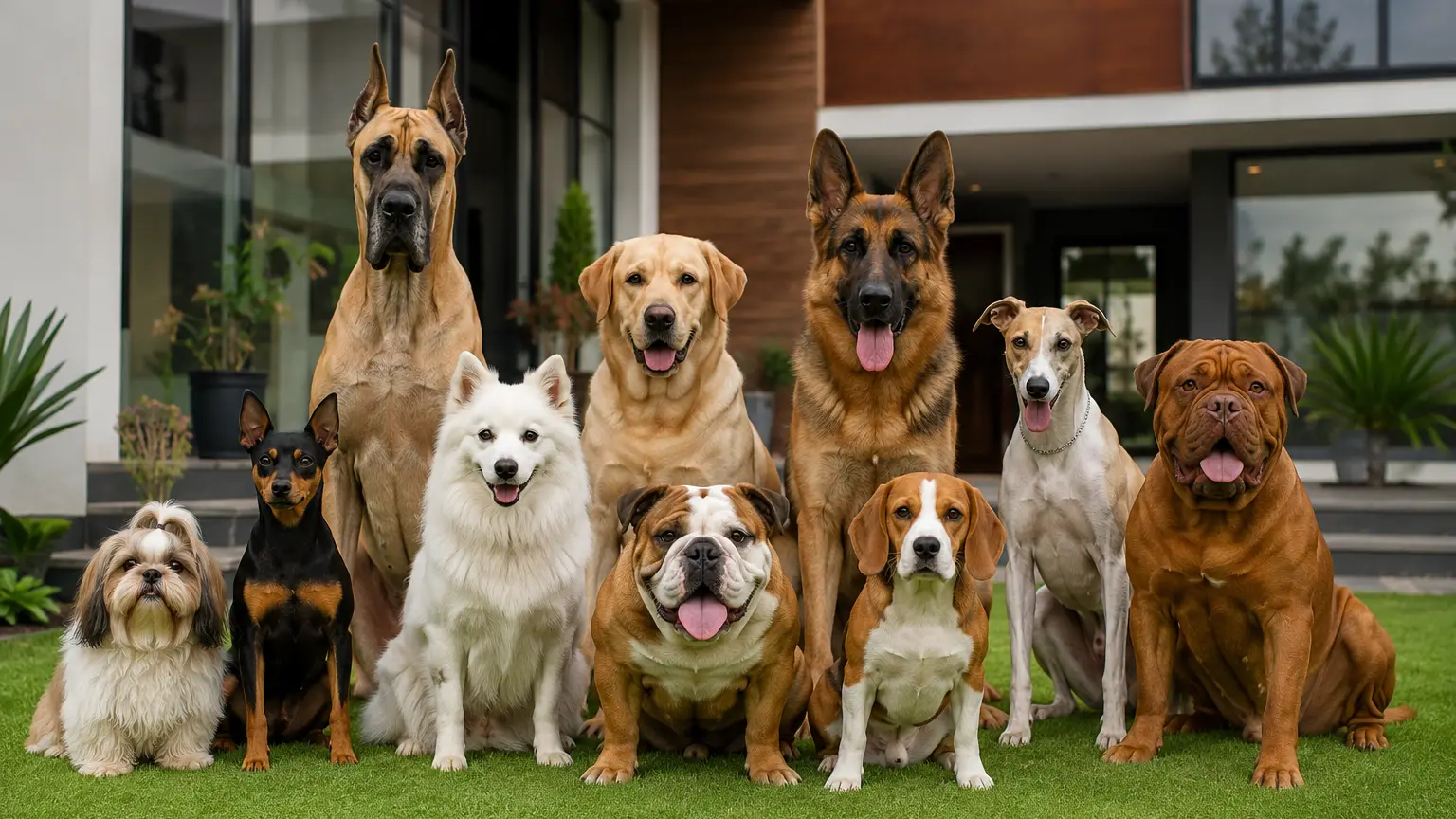

Indian dog breeds offer remarkable diversity, from agile hunting dogs and powerful guardians to adaptable family companions. For anyone researching the top 10 Indian dog breeds, understanding their history, appearance, temperament, exercise needs, grooming, and home suitability is essential. This guide explores the best Indian dog breeds to help prospective owners compare their characteristics and find a suitable match for their lifestyle.
What Makes Indian Dog Breeds Special?
Indian dogs have developed across very different environments, including tropical plains, dry regions, rural villages, agricultural communities, and Himalayan landscapes. As a result, there is no single appearance or personality that defines every Indian breed.
Some developed primarily for hunting and coursing, while others were valued for guarding homes, estates, or livestock. Others became adaptable companions around human settlements.
Before choosing one, consider these five factors:
- Temperament: Does the dog’s personality match your household?
- Exercise: Can you provide enough daily physical and mental activity?
- Space: Is your home suitable for the dog’s adult size and energy level?
- Grooming: Can you maintain the coat and general hygiene?
- Experience: Are you comfortable handling the breed’s natural instincts?
A breed that looks perfect in a photograph may not necessarily be the right choice for your daily routine.
Top 10 Indian Dog Breeds at a Glance
The following comparison provides a quick overview of ten notable Indian breeds and native dog types.
| Indian Dog Breed | Size | Energy Level | Grooming | Typical Strengths | Suitable Home |
|---|---|---|---|---|---|
| Indian Pariah Dog | Medium | Moderate | Low | Adaptable, intelligent, alert | Families and active homes |
| Rajapalayam | Large | High | Low | Loyal, athletic, protective | Experienced owners |
| Mudhol Hound | Medium-Large | High | Low | Fast, athletic, focused | Active households |
| Chippiparai | Medium-Large | High | Low | Agile, loyal, independent | Active experienced owners |
| Kombai | Medium-Large | High | Low | Confident, protective, strong | Experienced handlers |
| Kanni | Medium-Large | High | Low | Athletic, reserved, devoted | Active homes |
| Rampur Greyhound | Large | High | Low | Fast, powerful, independent | Spacious homes |
| Indian Spitz | Small-Medium | Moderate | Moderate | Lively, alert, companionable | Families and smaller homes |
| Gaddi Kutta | Large | High | Moderate-High | Hardy, protective, strong | Experienced owners |
| Jonangi | Medium | High | Low | Energetic, intelligent, versatile |
For owners living in smaller homes, Smallest dog breeds can be an appealing option because their compact size may make everyday management easier. However, size is only one factor to consider, as temperament, exercise needs, training, and compatibility with the household are equally important when choosing the right dog.
1. Indian Pariah Dog
The Indian Pariah Dog is among the most recognizable native dogs in India. Often called an Indie dog, it developed naturally around human settlements rather than being created through a modern standardized breeding program.
Appearance
Indian Pariah Dogs commonly have a medium-sized athletic body, upright ears, a wedge-shaped head, a short coat, and a curled or sickle-shaped tail. Coat colors can vary, with tan, brown, black, white, and combinations frequently observed.
Their practical body structure reflects generations of adaptation to local environments.
Temperament
A well-socialized Indian Pariah Dog can be intelligent, alert, affectionate, and highly observant. These dogs often notice changes in their surroundings quickly.
Their intelligence can make training rewarding, but they still need consistent boundaries and positive reinforcement.
Exercise Requirements
Most healthy adults benefit from daily walks, play, exploration, and mental stimulation.
A suitable routine may include:
- Morning and evening walks
- Interactive games
- Basic obedience training
- Supervised outdoor exploration
- Puzzle toys and scent activities
Grooming
The short coat generally makes grooming straightforward. Weekly brushing can help remove loose hair, while regular nail trimming, dental care, ear checks, and veterinary examinations remain important.
Best For
The Indian Pariah Dog can be suitable for families, active individuals, and households looking for an adaptable native companion, provided the individual dog’s temperament and background fit the home.
2. Rajapalayam
The Rajapalayam is a distinctive Indian sighthound associated with Tamil Nadu. It is recognized for its tall, muscular body, deep chest, long legs, short coat, and commonly white coloration.
History and Purpose
Historically, Rajapalayams were associated with hunting and guarding. Their athletic structure reflects those working roles.
Appearance
Typical characteristics include:
- Large athletic frame
- Long legs
- Deep chest
- Short coat
- Pale or predominantly white appearance
- Strong, streamlined body
Individual dogs can naturally vary.
Temperament
Rajapalayams can be loyal and strongly attached to their owners. Their protective instincts mean early socialization and responsible management are particularly important.
They may not be the easiest choice for a completely inexperienced owner.
Exercise Needs
This is an athletic breed that benefits from regular physical activity. Daily walks should be supplemented with appropriate play and training.
Owners should avoid uncontrolled off-leash exercise in unsecured areas, particularly when a dog has a strong chasing instinct.
Grooming
The short coat is relatively easy to maintain. Grooming is usually less demanding than with heavily coated breeds, although routine hygiene is still necessary.
Best For
Rajapalayams may suit experienced owners with enough time, secure space, and commitment to training and socialization.
3. Mudhol Hound
The Mudhol Hound is a famous Indian sighthound associated with Karnataka and the Deccan region. It is known for speed, stamina, agility, and an athletic body designed for movement.
Appearance
The breed generally has:
- A long, narrow head
- Long legs
- Deep chest
- Lean muscular body
- Short coat
- Athletic proportions
Its physical structure is one of its defining features.
Temperament
Mudhol Hounds can be focused, intelligent, energetic, and independent. Their historical working background means they may respond best to owners who understand active dogs.
They should not be selected simply because their appearance is attractive.
Exercise
A Mudhol Hound needs meaningful physical activity. Suitable activities may include controlled walks, running in secure spaces, training games, and other age-appropriate exercise.
Grooming
The short coat usually requires minimal maintenance. Weekly brushing can be enough for basic coat care, supplemented by normal nail, dental, and ear care.
Who Should Consider One?
This breed is particularly worth researching for active households that can provide secure outdoor exercise and consistent training.
4. Chippiparai
The Chippiparai is a southern Indian sighthound associated with Tamil Nadu. It has traditionally been connected with hunting and rural life.
Appearance
The Chippiparai typically has a lean, athletic frame with long legs and a deep chest. Its body is designed for speed and endurance rather than heavy strength.
Temperament
Chippiparais can be loyal and intelligent while also showing an independent side. This combination makes patient, reward-based training especially useful.
They benefit from early exposure to different people, environments, sounds, and other animals.
Exercise Requirements
Daily activity is essential.
A balanced routine can include:
- A structured walk.
- Interactive play.
- Obedience practice.
- Safe opportunities for movement.
- Mental stimulation.
The exact amount should be adjusted according to age, health, and individual temperament.
Grooming
The short coat is relatively simple. Owners should still establish a regular routine covering brushing, nail care, dental hygiene, and veterinary checkups.
Best Home
An active household with secure outdoor access and an owner prepared to provide training can be a good match.
5. Kombai
The Kombai, also known as the Combai, is a powerful native dog associated with Tamil Nadu. It has historically been valued for hunting and guarding.
Appearance
Kombais commonly have a compact, muscular body, short coat, and distinctive reddish or tan coloring, often accompanied by a darker facial area.
Temperament
This breed can be confident, alert, loyal, and protective. Those qualities can be valuable in the right environment but require responsible handling.
Socialization should begin early and continue throughout development.
Training
A Kombai benefits from:
- Clear household rules
- Positive reinforcement
- Consistent commands
- Controlled introductions
- Regular mental stimulation
- Appropriate physical exercise
Harsh or inconsistent handling can create unnecessary behavioral problems.
Grooming and Exercise
The short coat is easy to maintain, but exercise requirements are considerably more important. Owners should provide daily activity and mental engagement.
Best For
Kombais are generally better suited to experienced owners who understand protective and working-oriented dogs.
6. Kanni
The Kanni is a less familiar Indian sighthound associated with Tamil Nadu. Its lean structure and athletic abilities reflect its traditional working background.
Appearance
Kanni dogs generally have:
- Long legs
- Lean athletic bodies
- Deep chests
- Narrow heads
- Short coats
These characteristics support agility and speed.
Temperament
Kannis can be devoted to their families while remaining somewhat reserved. They may need time to become comfortable in unfamiliar environments.
Early socialization can help a young Kanni develop confidence.
Exercise
A Kanni is not an ideal match for a sedentary lifestyle. It needs regular physical activity as well as mental engagement.
Owners should prioritize safe exercise because sighthounds may have strong instincts to chase moving animals.
Grooming
The short coat is relatively low maintenance. Regular brushing, nail trimming, dental care, and routine health checks should still be included.
Best For
Kannis may appeal to experienced active owners who want an athletic native breed and can provide appropriate exercise.
7. Rampur Greyhound
The Rampur Greyhound, or Rampur Hound, is a large sighthound from northern India. It is associated with the Rampur region and has a long history as a hunting dog.
Appearance
It generally has a powerful yet streamlined body, long legs, deep chest, and short coat. Several coat colors can occur.
Temperament
Rampur Greyhounds can be intelligent, independent, and athletic. Their hunting heritage means potential owners should take prey drive and chasing behavior seriously.
Secure fencing is particularly valuable.
Exercise Requirements
This is a high-energy breed. Owners should provide daily activity rather than relying on occasional exercise.
Good options include:
- Structured walking
- Controlled running
- Training sessions
- Interactive games
- Secure outdoor activity
Grooming
The short coat is generally easy to maintain. Grooming requirements are modest compared with heavy-coated breeds.
Best For
A Rampur Greyhound is more appropriate for owners who understand high-energy dogs and can provide enough space, exercise, and secure management.
8. Indian Spitz
The Indian Spitz is one of India’s better-known companion dogs. It is smaller than many traditional Indian hunting and guarding breeds and is recognized for its fluffy coat, pointed ears, and alert expression.
Appearance
Indian Spitz dogs typically have:
- Compact to medium size
- Pointed ears
- Dense coat
- Fluffy tail
- Alert facial expression
Temperament
They are generally lively, observant, and interactive. They can become closely attached to their families and often enjoy games and training.
Because they are alert dogs, barking can become an issue if socialization, exercise, and training are neglected.
Exercise
Moderate daily exercise is generally useful. Walks, play sessions, and short training exercises can help keep an Indian Spitz physically and mentally engaged.
Grooming
The coat requires more attention than the short coats of breeds such as the Mudhol Hound or Kombai. Regular brushing helps control loose hair and maintain coat condition.
People searching for the Cutest dog breeds may naturally notice the Indian Spitz, but appearance should be only one factor when choosing a companion.
Best For
Indian Spitz dogs can suit families and owners who want a lively companion and are prepared to manage brushing, activity, and vocal behavior.
9. Gaddi Kutta
The Gaddi Kutta is a large Himalayan dog associated with northern India. It has traditionally been used as a guardian and working dog in mountainous environments.
Appearance
Its substantial body and thick coat reflect the challenging conditions in which the type developed.
Important characteristics include:
- Large body
- Heavy coat
- Strong frame
- Protective appearance
- Physical endurance
Temperament
Gaddi Kuttas can be watchful, independent, and protective. These traits make responsible socialization and experienced handling particularly important.
Climate Considerations
Because of its heavy coat and mountain background, the breed requires careful consideration in very hot environments. Owners should provide shade, water, appropriate exercise timing, and close monitoring during hot weather.
Grooming
The thick coat requires regular brushing and more maintenance than the short-haired Indian breeds in this guide.
Best For
This is generally a breed for experienced owners who can manage a large guardian-type dog in a suitable environment.
10. Jonangi
The Jonangi is a lesser-known Indian breed associated with southern India. It has traditionally performed working roles connected with rural communities.
Appearance
Jonangis are generally medium-sized and athletic, with short coats that are relatively easy to maintain.
Temperament
They can be energetic, intelligent, and highly engaged with their environment. Their working background means they may need more activity than a typical low-energy companion.
Some Jonangis are also known for distinctive vocal behavior, which should be considered when evaluating suitability for apartments or homes with close neighbors.
Exercise
Daily activity should combine physical movement with mental stimulation.
Recommended activities include:
- Walking.
- Interactive play.
- Basic obedience.
- Scent-based games.
- Supervised outdoor exploration.
Grooming
The short coat generally requires limited brushing. Overall care should focus on exercise, nutrition, training, dental health, and veterinary care.
Comparing the 10 Indian Dog Breeds
Looking at individual breeds is useful, but direct comparison can make the decision easier.
| Breed | Energy | Grooming | Training Challenge | Protective Instinct | Apartment Potential |
|---|---|---|---|---|---|
| Indian Pariah Dog | Moderate | Low | Moderate | Moderate | Possible with exercise |
| Rajapalayam | High | Low | Moderate-High | High | Limited |
| Mudhol Hound | High | Low | Moderate | Moderate | Limited |
| Chippiparai | High | Low | Moderate | Moderate | Limited |
| Kombai | High | Low | High | High | Limited |
| Kanni | High | Low | Moderate-High | Moderate | Limited |
| Rampur Greyhound | High | Low | Moderate-High | Moderate | Limited |
| Indian Spitz | Moderate | Moderate | Moderate | Moderate | Possible |
| Gaddi Kutta | High | High | High | High | Poor |
| Jonangi | High | Low | Moderate | Moderate | Limited |
These categories are broad guidelines rather than guarantees. Individual dogs can behave differently depending on genetics, upbringing, training, health, socialization, and environment.
Which Indian Dog Breed Is Right for Your Home?
Instead of asking which breed is objectively the “best,” compare your lifestyle with the breed’s requirements.
For Active Owners
Sighthounds such as the Mudhol Hound, Chippiparai, Kanni, and Rampur Greyhound may be worth researching if you enjoy regular physical activity.
For Families
The Indian Pariah Dog and Indian Spitz may be worth considering for suitable families, provided the individual dog has an appropriate temperament and receives proper socialization.
Families looking at the Best dog breeds for families should consider the dog’s energy, size, training requirements, and behavior around children rather than choosing based only on popularity.
For Experienced Owners
Kombai, Rajapalayam, and Gaddi Kutta may require owners who understand protective, independent, or working-oriented dogs.
For Owners Who Prefer Easier Grooming
Short-coated breeds such as the Indian Pariah Dog, Rajapalayam, Mudhol Hound, Chippiparai, Kanni, Kombai, and Jonangi generally require less coat maintenance than heavily coated dogs.
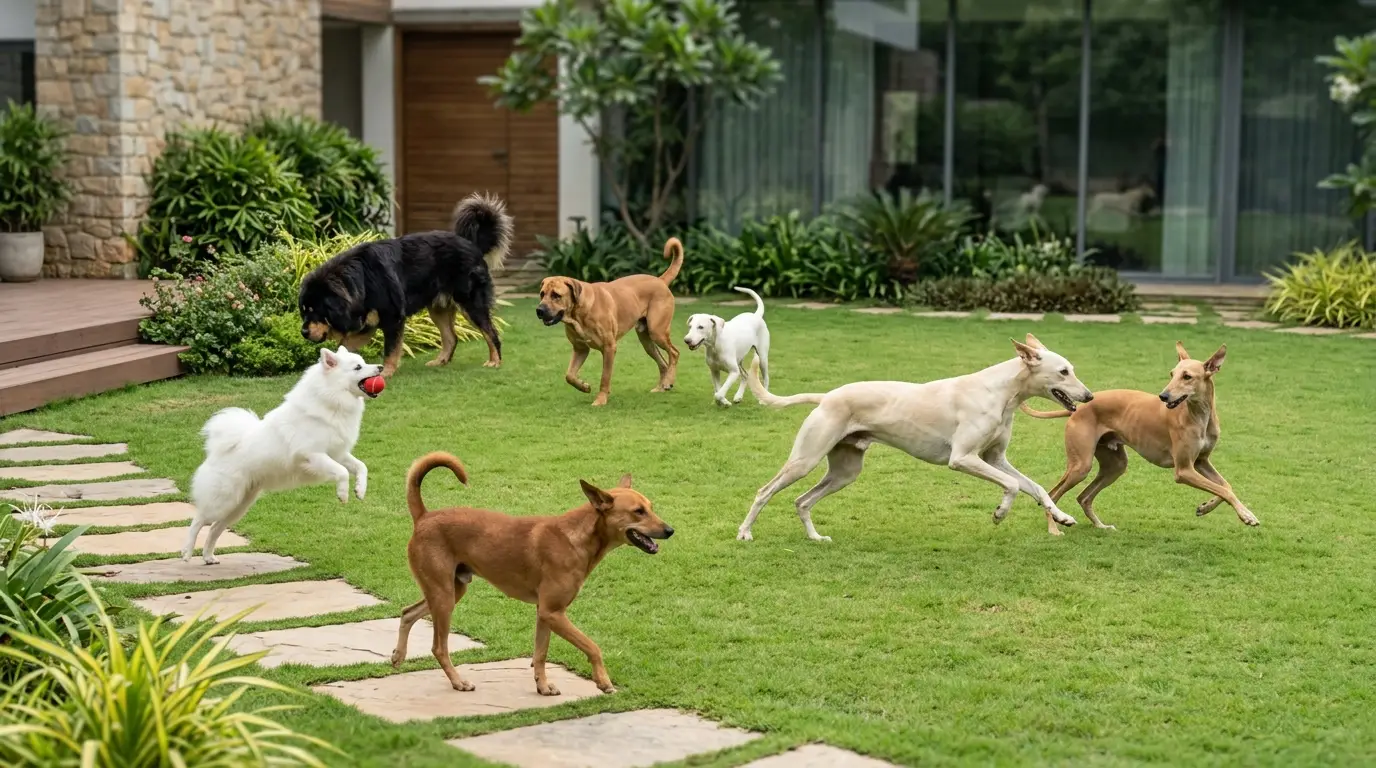
Indian Dog Breeds and Exercise Needs
Exercise is one of the most overlooked factors when choosing a dog.
A useful way to evaluate exercise requirements is to consider three categories:
| Exercise Level | What It Usually Means | Examples |
|---|---|---|
| Moderate | Daily walks and play | Indian Spitz, Indian Pariah Dog |
| High | Longer activity and mental stimulation | Rajapalayam, Mudhol Hound |
| Very demanding | Regular structured activity and secure running opportunities | Active sighthounds and working guardians |
Puppies should not be pushed into excessive repetitive exercise while their bodies are developing. Exercise should always be adjusted for age and health.
Grooming Requirements
Grooming varies considerably among Indian breeds.
Lower-Maintenance Coats
Short-coated dogs such as the Mudhol Hound, Chippiparai, Kanni, Kombai, and Jonangi generally need straightforward brushing.
Moderate Grooming
Indian Spitz dogs require more frequent brushing because of their fuller coat.
Higher Grooming
Gaddi Kutta owners should expect more coat maintenance because of its heavier hair.
Regardless of breed, grooming should include:
- Brushing
- Nail trimming
- Ear checks
- Dental care
- Skin inspection
- Bathing when appropriate
Are Indian Dogs Suitable for Different Homes?
Yes, but suitability depends on the individual dog and the environment.
Apartments
Smaller or adaptable dogs may manage apartment living better, but size alone is not enough. An energetic dog can struggle in a small home if its exercise needs are ignored.
Houses With Gardens
A secure garden can provide additional enrichment, but it does not replace walks, training, or social interaction.
Rural Homes
Some working and guardian breeds may be particularly comfortable in spacious rural environments, provided their training, socialization, and veterinary needs are met.
Homes With Children
Children and dogs should always be supervised. Children should learn appropriate handling, while adults remain responsible for managing interactions.
How to Choose an Indian Dog Breed
Use this seven-step process before making a decision:
- Assess your daily schedule.
- Determine how much exercise you can provide.
- Estimate the dog’s adult size.
- Evaluate grooming responsibilities.
- Research temperament and working instincts.
- Consider your climate and living environment.
- Choose based on long-term compatibility rather than appearance alone.
This approach can help prevent one of the most common ownership mistakes: selecting a dog because it looks appealing without understanding what living with that breed requires.
Indian Dogs Compared With Other Dog Types
Indian breeds are only one category within the wider canine world. People researching Different dog breeds may also encounter European, Asian, African, and mixed-breed dogs with completely different physical and behavioral characteristics.
Comparison should focus on practical needs rather than popularity.
Ask:
- How much exercise does the dog need?
- How much grooming is required?
- Is the breed independent or people-oriented?
- Does it have strong guarding or hunting instincts?
- Is it comfortable in the local climate?
- What training experience does the owner need?
The answers can reveal whether a particular breed is genuinely appropriate.
Before Bringing a Dog Home
Preparation should begin before the dog arrives.
Essential Preparation Checklist
- Prepare food and water bowls.
- Select an appropriate diet with professional guidance.
- Create a comfortable sleeping area.
- Remove hazardous household items.
- Secure balconies, gates, and outdoor spaces.
- Prepare basic grooming supplies.
- Arrange veterinary care.
- Establish household rules.
- Plan a consistent exercise routine.
- Discuss responsibilities with every family member.
A prepared home makes the transition easier for both the dog and its owners.
What to Look for When Choosing a Puppy
If you are considering puppies, avoid making the decision from appearance alone.
Look for clear information about:
- Age and developmental stage.
- Current diet.
- Veterinary history.
- Vaccination and health records where applicable.
- Socialization.
- Living conditions.
- Behavior and temperament.
- Expected adult size.
- Exercise requirements.
- Long-term care needs.
Anyone comparing Puppies for sale should ask questions and verify information before committing to a purchase.
Frequently Asked Questions About Indian Dog Breeds
What are the top 10 Indian dog breeds?
The ten breeds covered in this guide are the Indian Pariah Dog, Rajapalayam, Mudhol Hound, Chippiparai, Kombai, Kanni, Rampur Greyhound, Indian Spitz, Gaddi Kutta, and Jonangi. There is no universally accepted ranking, so “top 10” should be understood as a useful selection rather than an official national ranking.
What is the most popular Indian dog breed?
The Indian Pariah Dog is one of the most widely recognized native dog types in India. The Indian Spitz is also a familiar companion dog. Popularity can vary by region and community.
Which Indian dog breeds are best for families?
The Indian Pariah Dog and Indian Spitz can be suitable for some families when their individual temperament, exercise requirements, and socialization needs match the household. Families should evaluate the specific dog rather than relying solely on breed reputation.
Which Indian dog breeds need the most exercise?
Many Indian sighthounds have high exercise requirements. Mudhol Hounds, Chippiparais, Kannis, and Rampur Greyhounds are particularly athletic and may need substantial daily activity.
Which Indian dog breeds are easiest to groom?
Short-coated breeds generally require the least coat maintenance. Indian Pariah Dogs, Rajapalayams, Mudhol Hounds, Chippiparais, Kannis, Kombais, and Jonangis typically have relatively simple grooming needs.
Are Indian dog breeds good for apartments?
Some can adapt to apartment living, but the answer depends on energy level, exercise, training, barking behavior, and the individual dog. A smaller breed is not automatically suitable if it has demanding exercise needs.
Are Indian dog breeds good with children?
Some individual Indian dogs can live successfully with children, but supervision, socialization, training, and temperament are critical. Children should also be taught how to interact respectfully with dogs.
Are Indian dog breeds suitable for hot climates?
Many native Indian dogs developed in warm regions, but heat tolerance varies. All dogs require access to water, shade, appropriate exercise timing, and protection from excessive heat.
Which Indian dog breed has the lowest grooming needs?
Short-coated native breeds generally require relatively little coat maintenance. However, low grooming does not mean low overall care. Exercise, nutrition, training, dental hygiene, and veterinary care remain essential.
How do I choose the best Indian dog breed?
Start with your lifestyle. Consider your available time, living space, climate, experience, exercise routine, family members, other pets, grooming preferences, and the dog’s expected adult characteristics. The best match is the breed or individual dog whose needs you can consistently meet.
Final Thoughts
Indian dog breeds offer remarkable diversity. From the adaptable Indian Pariah Dog and lively Indian Spitz to athletic sighthounds such as the Mudhol Hound, Chippiparai, Kanni, and Rampur Greyhound, there are native dogs with very different characteristics and lifestyles.
The Rajapalayam and Kombai bring strong working and protective qualities, while the Gaddi Kutta represents the powerful mountain guardian type. The Jonangi provides another lesser-known example of India’s diverse native dog population.
Choosing among these breeds should never be based solely on appearance or a popularity list. Consider temperament, adult size, exercise, grooming, training, climate, and household compatibility first. With careful research and realistic expectations, prospective owners can make a more informed decision and choose a dog that fits their home for the long term.